Bukele Proposes Prisoner Swap with Venezuela Amid Deportation Controversy
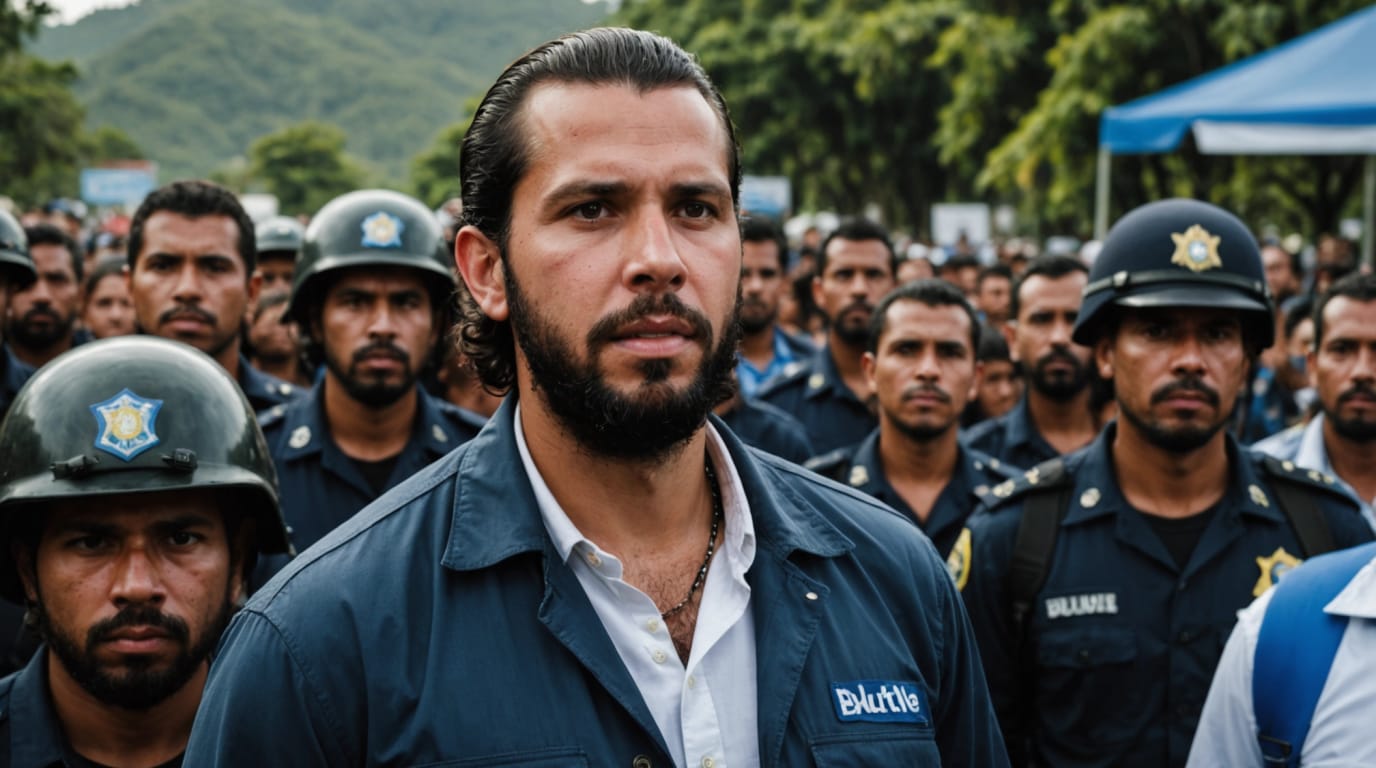
SAN SALVADOR, El Salvador – President Nayib Bukele of El Salvador has proposed a controversial prisoner swap with Venezuela, offering to exchange Venezuelan deportees currently imprisoned in El Salvador for individuals he describes as "political prisoners" held by the Venezuelan government. The proposal comes amid growing international scrutiny of El Salvador's detention practices, particularly concerning individuals deported from the United States.
The Proposal
In a post on X on Sunday, Bukele directly addressed Venezuelan President Nicolás Maduro, suggesting a "humanitarian agreement." He offered to repatriate all 252 Venezuelans deported from the U.S. and currently detained in El Salvador, in exchange for the release of an equal number of political prisoners held in Venezuela. Bukele asserted that those imprisoned in Venezuela were detained solely for opposing Maduro and his government's alleged electoral fraud. He listed several individuals, including family members of opposition figures, journalists, and activists, as examples of those unjustly imprisoned. Bukele stated that he would instruct El Salvador's Foreign Ministry to formally present the proposal to the Venezuelan government. As of Monday morning, the Maduro government had not publicly responded to Bukele's offer.
The Deportees
The 252 Venezuelans in question were deported from the United States, many during the administration of President Donald Trump. The U.S. government accused them of being members of the Tren de Aragua criminal gang, though critics argue that the evidence against them was often flimsy. El Salvador agreed to accept these deportees, and they are currently being held in the Terrorism Confinement Center (CECOT), a high-security prison built by Bukele's government as part of its crackdown on gangs. The U.S. government is reportedly paying El Salvador $6 million to detain the migrants in CECOT.
International Scrutiny and Concerns
Bukele's proposal has drawn mixed reactions and further intensified international scrutiny of El Salvador's human rights record. Critics argue that El Salvador is becoming a dumping ground for unwanted migrants and that its prison system is overcrowded and inhumane. José Luis Escobar Alas, the Archbishop of El Salvador, has publicly urged Bukele not to allow the country to become a "big international prison." Concerns have also been raised about the lack of due process for the deportees and the potential for human rights abuses within the Salvadoran prison system. The deportations and subsequent imprisonment have sparked legal battles, particularly in cases where individuals with legal U.S. residency, like Kilmar Abrego Garcia, were wrongly deported.
Venezuela's Response and Political Prisoners
The Venezuelan government, under Nicolás Maduro, has consistently denied holding political prisoners, maintaining that all imprisoned individuals have been convicted of crimes. However, human rights organizations and international observers have documented numerous cases of individuals being detained for political reasons, often on trumped-up charges. The proposed prisoner swap raises questions about the criteria for identifying "political prisoners" and the potential for the Venezuelan government to refuse the exchange, claiming that no such prisoners exist.
Implications and Future Outlook
The success of Bukele's proposal hinges on the willingness of the Maduro government to engage in negotiations and acknowledge the existence of political prisoners. Even if an agreement is reached, the logistics of the exchange and the potential for future disputes remain significant challenges. The situation also highlights the complex relationship between the U.S., El Salvador, and Venezuela, particularly concerning migration and security issues. The proposal could be interpreted as a move by Bukele to alleviate international pressure regarding the detention of the deportees, while also potentially scoring political points by appearing to stand up for human rights in Venezuela. The situation remains fluid, and the ultimate outcome will likely depend on a complex interplay of political and diplomatic factors.


