Bulgaria at a Crossroads: Snap Election Poised to Redefine Nation's Trajectory Amidst Enduring Instability
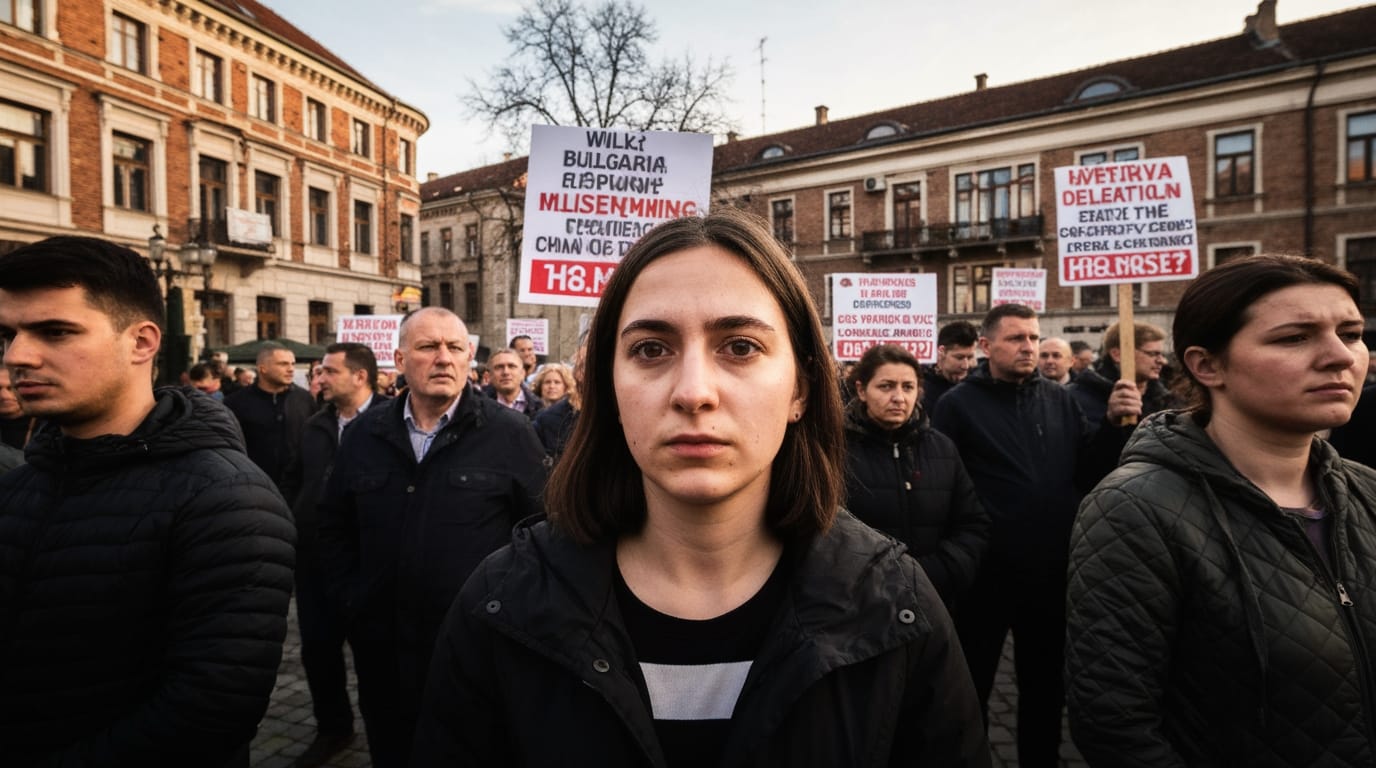
SOFIA, Bulgaria – Bulgaria heads to the polls this Sunday, April 19, for its eighth parliamentary election since 2021, a testament to the nation's persistent political instability and the ongoing struggle to forge a stable governing majority. This snap election, triggered by the December 2025 resignation of the Zhelyazkov government amid widespread protests over budget proposals and corruption, arrives at a critical juncture for the newest Eurozone member. With a fragmented political landscape and a leading new alliance challenging traditional blocs, the outcome could significantly alter Bulgaria's domestic reforms and its geopolitical orientation within the European Union and NATO.
A Nation Weary of Endless Elections
Bulgaria has been mired in a cycle of political crises since 2021, marked by a chronic inability of political forces to form and sustain stable governments. The frequent resort to snap elections, now eight in just five years, has fostered widespread voter fatigue and a pervasive sense of disaffection among the electorate. Nearly 6.6 million Bulgarian citizens are eligible to cast their ballots for the 240 seats in the National Assembly, where 121 are required for a governing majority. The repeated collapses of coalitions, including the "rotational government" agreement in 2024 and the Zhelyazkov government's fall in 2025, underscore deep ideological differences and intractable disputes over policy priorities. These governmental upheavals have occurred against a backdrop of mass protests, signaling profound public discontent with corruption and governance.
The Rise of a New Player and a Shifting Landscape
This election is notably characterized by the emergence of Progressive Bulgaria (PB), a new alliance led by former two-term President Rumen Radev. Radev, who resigned from the presidency in January 2026 to contest the prime ministerial post, has quickly become the frontrunner, with his coalition currently leading opinion polls at approximately 30-32%. His campaign resonates with an anti-establishment message, focusing on tackling corruption and challenging what he describes as an "entrenched oligarchic system" linking business and politics. However, Radev's candidacy is not without controversy, particularly his notable Russophile stance and past skepticism regarding Bulgaria's adoption of the euro, which has drawn criticism from pro-Western opponents.
Traditional political forces also vie for influence. The center-right GERB-SDS coalition, led by former Prime Minister Boyko Borisov, is projected to secure the second-highest number of votes, typically around 20-22%. Despite often leading in election results, GERB has consistently struggled to form lasting governing majorities. The liberal PP-DB (We Continue the Change – Democratic Bulgaria) coalition, advocating for EU cooperation, judicial reforms, and anti-corruption measures, is polling around 12%. On the far-right, the ultranationalist and pro-Russian Revival (Vazrazhdane) party, which staged anti-euro protests in 2025, continues to be a significant force, having been the third-largest parliamentary group after the October 2024 elections. The Movement for Rights and Freedoms (DPS) and the Bulgarian Socialist Party – United Left (BSP–OL), also maintain their positions as key players in any potential coalition negotiations.
Critical Issues Define the Electoral Battleground
At the heart of the electoral debate are several deeply entrenched issues that have fueled public discontent and contributed to the recurring political gridlock. Corruption remains a paramount concern, driving successive waves of protests and forming a central plank of many parties' platforms. Despite efforts to strengthen judicial independence, the implementation of reforms aimed at curbing the powers of the prosecutor general has been met with political opposition and delays. The ongoing struggle against corruption is complicated by a political culture where parties often demonize opponents as "corrupt," making coalition-building inherently difficult.
Economically, the election comes months after Bulgaria officially joined the Eurozone on January 1, 2026. This transition requires political stability to manage inflation and ensure a smooth integration. Despite being the poorest EU member in terms of GDP per capita, Bulgaria has experienced one of the bloc's fastest-growing economies, albeit coupled with rising inflation and cost-of-living concerns that contributed to the recent protests. Foreign investment is also a critical factor, with experts stressing the need for predictability and legal certainty to attract capital.
Geopolitical alignment presents another significant cleavage. Rumen Radev's perceived pro-Russian stance, including his opposition to military aid for Ukraine, contrasts sharply with the pro-European and pro-NATO commitments of other major parties. Concerns about foreign interference and disinformation campaigns, particularly originating from Russia, have prompted the Bulgarian authorities to seek cooperation with EU institutions to safeguard the electoral process. The outcome of this election could therefore profoundly impact Bulgaria's foreign policy direction and its standing within the international community.
The Path Forward: Uncertain Coalitions and Geopolitical Implications
The fragmentation of the political landscape suggests that forming a stable governing coalition after April 19 will be a significant challenge, perpetuating the cycle of political instability. While Progressive Bulgaria leads in polls, Radev's controversial positions may complicate efforts to secure enough partners for a majority. A government led by a Russophile figure could potentially lead Bulgaria towards more anti-liberal policies and create new points of friction within the EU and NATO.
The stakes for Bulgaria's democratic health and its future trajectory are exceptionally high. The nation's ability to tackle endemic corruption, ensure economic stability post-Eurozone accession, and maintain a clear Euro-Atlantic orientation hinges on the formation of a cohesive and durable government. Without such stability, Bulgaria risks further disillusionment among its citizens and a diminished role on the European stage. As voters head to the polls, the central question remains whether this election can finally break the deadlock and set Bulgaria on a more stable and predictable course, or if it will simply mark another chapter in its ongoing political turmoil.


