Bulgarian Youth Roar: Gen Z Leads Unprecedented Protests Against Corruption and Stagnation
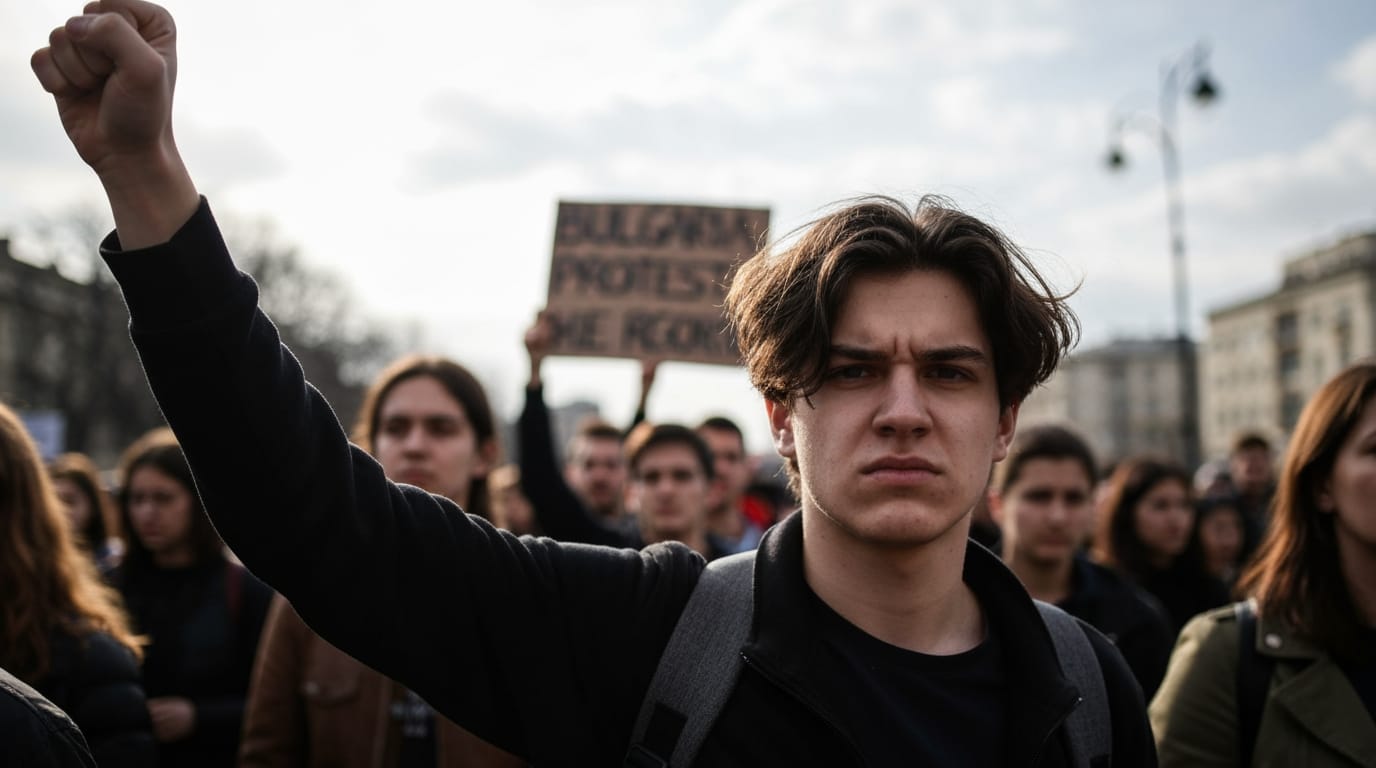
SOFIA, Bulgaria – In a dramatic display of generational discontent, tens of thousands of young Bulgarians, predominantly members of Generation Z, have poured into the streets across the nation, spearheading the largest anti-government protests in decades. What began in late November as outrage over a controversial 2026 draft budget has rapidly escalated into a broad movement demanding an end to systemic corruption, oligarchic influence, and a future that offers hope within their homeland. With powerful slogans like "Gen Z is coming for U" and "Give us a reason to stay," this digitally-native generation is signaling a profound shift in Bulgaria's political landscape, demonstrating an unwavering resolve to challenge the status quo that has long plagued one of the European Union's poorest nations.
The Budget: A Spark for Deeper Resentment
The immediate catalyst for the widespread unrest was the government's proposed 2026 budget. Unveiled in November, the draft budget included plans for increased taxes on private businesses and higher social security contributions, intended to fund rising public sector wages. This proposal was met with fierce opposition, with critics arguing it would disproportionately burden the private sector while serving elite interests. Compounding the anger, the budget was Bulgaria's first to be drafted in euros, ahead of the country's planned eurozone entry on January 1, 2026. Many young Bulgarians and citizens expressed deep anxieties about the euro adoption, fearing potential inflation, a loss of monetary sovereignty, and threats to national identity.
Initially, the government under Rosen Zhelyazkov indicated it would withdraw the contentious budget plan after the first wave of protests on November 26. However, a swift reversal of this stance reportedly fueled the protests further, proving to many citizens that the government operated with impunity. This perceived manipulation underscored a deeper, long-standing frustration with governance and accountability in Bulgaria. While the budget acted as the ignition, it quickly became clear that the protests were fueled by a much broader spectrum of grievances.
A Generation's Fight for Their Future
At the heart of these protests is Generation Z, individuals born roughly between 1997 and 2012, who have turned out in unprecedented numbers to voice their discontent. Unlike previous generations, many of these young people are not burdened by a "submissive mindset," having grown up witnessing political instability and widespread corruption. Their participation signals a direct challenge to a system they believe has consistently failed them. Crucially, their motivations extend beyond immediate budget concerns. Young voters and students articulate profound fears that pervasive corruption, shrinking economic opportunities, and a weak judicial system are systematically forcing their peers to emigrate from Bulgaria in search of a better life abroad.
The sentiment is encapsulated in poignant protest signs proclaiming "Give us a reason to stay," reflecting a desperate plea for a future where their aspirations can be realized in their home country. This generation has known little else but the post-2009 era characterized by the dominance of the GERB party, increasing oligarchic control, and a relentless cycle of political instability, including seven elections since 2021 alone. They are less inclined to accept incremental changes and are instead demanding a wholesale transformation of the political system.
Digital Mobilization Meets Direct Action
Gen Z's command of digital platforms has been instrumental in the rapid organization and spread of the protests. Eschewing traditional political structures, young Bulgarians utilized social media channels like TikTok and Instagram to coordinate demonstrations, disseminate information, and amplify their message. This digital-first approach allowed for swift mobilization, drawing tens of thousands into the streets of Sofia, Plovdiv, Varna, and other major cities, marking the largest public demonstrations in Bulgaria since the 1990s.
While many of the protests began peacefully, characterized by chants of "Resignation!" and collective singing, some demonstrations escalated into clashes with law enforcement. Masked protesters reportedly threw stones, bottles, and firecrackers at police and the offices of political parties, prompting police to respond with tear gas. At least 70 arrests were made during these more confrontational episodes. Despite the occasional violence, the sheer scale of the mobilization, particularly among younger citizens, has drawn global attention and intensified debate over governance and future political shifts in the region.
Confronting Oligarchic Power and Demanding Accountability
Beyond the budget, the protests have shone a harsh spotlight on deeply entrenched corruption and the pervasive influence of oligarchic figures. A significant portion of public anger has been directed at controversial tycoon Delyan Peevski, leader of the New Beginning party, whose perceived control and influence are seen as a symbol of state capture. Peevski, who has been sanctioned for corruption by both the United States and the United Kingdom under the Magnitsky Act, is viewed by many as a central figure perpetuating Bulgaria's long-standing problems. Protestors demand transparency, justice reform, and an end to the alleged "mafia influence" that they believe undermines the country's democratic institutions.
The calls for accountability have reverberated at the highest levels of Bulgarian politics. President Rumen Radev has publicly condemned the violence and called for the government to resign and early elections to be held, seeing an opportunity for a political reset. Recent polling conducted between November 27 and December 3, 2025, indicates broad public support for the protests, with 71.3% of Bulgarians backing the movement, a level comparable to the 2020 protests. Nearly half of respondents (49.8%) favor the government's resignation, and 48% support early elections, underscoring a widespread desire for fundamental change.
Conclusion: A New Chapter in Bulgarian Activism
The powerful emergence of Generation Z in Bulgaria's latest wave of anti-government protests marks a pivotal moment in the nation's contemporary history. This generation, often characterized by its directness and digital fluency, has transformed frustration over a single budget proposal into a potent movement demanding a comprehensive overhaul of a system they perceive as corrupt and unresponsive. Their record turnout, digital mobilization, and clear articulation of grievances against a backdrop of shrinking opportunities and entrenched power have fundamentally reshaped the discourse around political participation in Bulgaria. As calls for government resignation and early elections grow louder, the resolve of Bulgaria's youth suggests that this is not merely a transient wave of unrest, but potentially the dawn of a new, more engaged chapter in the country's ongoing struggle for genuine democratic governance and a brighter future.


