Öcalan Calls for PKK to Disarm, Potentially Ending Decades-Long Conflict
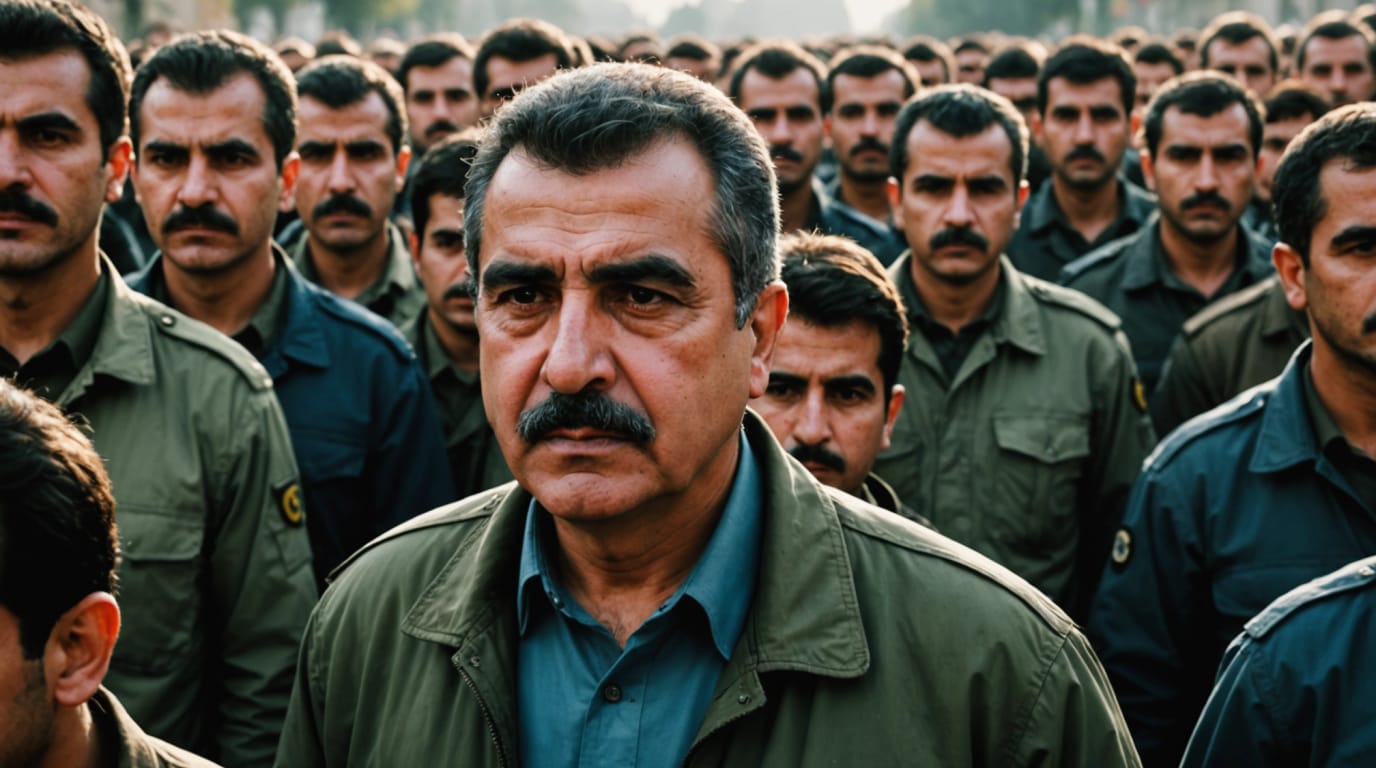
In a potentially historic move, Abdullah Öcalan, the imprisoned leader of the Kurdistan Workers' Party (PKK), has called for the organization to lay down its arms and disband, signaling a possible end to the decades-long conflict with Turkey. The call, delivered via a letter read by a pro-Kurdish party leader, represents a radical shift in Öcalan's stance and could reshape regional alliances.
A Call for Disarmament
Öcalan's message, delivered on Thursday, was direct and unequivocal. He urged the PKK to convene a congress to make a formal decision to disarm and dissolve. "All groups must lay down their weapons, and the PKK must disband," Öcalan stated in his letter. He also took "historical responsibility" for the call, emphasizing the significance of this turning point.
Ahmet Turk, a leader of the Peoples' Democracy and Equality Party (DEM Party), read the statement at a press conference in Istanbul, marking the third time a DEM delegation has visited Öcalan in prison recently. The broadcast was carried live on many national channels, capturing the attention of millions across Turkey and the region.
Implications for Turkey
Öcalan's call has profound implications for Turkey, which has been battling the PKK since the 1980s. The conflict has resulted in tens of thousands of deaths and the displacement of millions, primarily in southeastern Turkey. The PKK, considered a terrorist organization by Turkey, the United States, and the European Union, has waged an insurgency seeking greater Kurdish rights and autonomy.
If the PKK follows Öcalan's call, it could lead to a new era of peace and stability in Turkey. It could also allow the Turkish government to focus on other pressing issues, such as the economy and regional security.
Mehmet Uçum, an advisor to President Erdoğan, welcomed Öcalan's words, suggesting it could signal an end to the denial of Kurdish identity and related demands for autonomy or federalism. He stated that Öcalan's call defends the unitary state of Turkey.
Regional Ramifications
The call for disarmament also has significant regional ramifications, particularly for Syria and Iraq, where the PKK has a presence. The Kurdish issue has been a source of tension between Turkey and its Western allies, especially concerning the fight against ISIS.
With ongoing developments in Syria and Iraq, and escalating tensions between Ankara and its Western allies over the Kurdish issue, Öcalan's call to lay down arms carries deep political and security implications. A peaceful resolution to the Kurdish conflict could lead to greater stability in the region and a realignment of alliances.
Öcalan's Motivations and the Path Forward
Öcalan, who has been imprisoned since 1999 on İmralı Island, has long been a key figure in the Kurdish movement. While his motivations for this call remain subject to interpretation, some analysts suggest he may be seeking to secure his legacy as a peacemaker and to create a more favorable environment for Kurdish rights within a unified Turkey.
In his statement, Öcalan argued that solutions based on "a separate nation-state, federation, administrative autonomy, or culturalist solutions" are insufficient. He claimed that the Kurdish question could be resolved by "democratizing" the existing state.
The path forward remains uncertain. The PKK leadership has yet to respond to Öcalan's call, and it is unclear whether they will heed his advice. However, the fact that Öcalan, a revered figure among many Kurds, has made such a call is a significant development that cannot be ignored.
Historical Context of the Conflict
The conflict between Turkey and the PKK has deep historical roots. The Kurdish people, an ethnic group with their own language and culture, have long sought greater autonomy and rights within Turkey. The PKK was founded in the 1970s with the aim of establishing an independent Kurdish state, leading to armed conflict with the Turkish state beginning in 1984.
Over the years, there have been several attempts to negotiate a peaceful resolution to the conflict, but none have been successful. Öcalan himself has been involved in past peace initiatives, but these efforts have ultimately failed due to various factors, including political instability, mistrust between the parties, and regional dynamics.
A Turning Point or False Dawn?
Öcalan's call for the PKK to lay down arms represents a potentially significant turning point in the decades-long conflict between Turkey and the Kurdish movement. However, it remains to be seen whether this call will translate into a lasting peace.
The success of this initiative will depend on several factors, including the response of the PKK leadership, the willingness of the Turkish government to engage in meaningful negotiations, and the broader regional context. If all parties are committed to finding a peaceful solution, this could be a historic opportunity to end the conflict and build a more stable and prosperous future for Turkey and the region. However, if mistrust and political obstacles persist, this could prove to be yet another false dawn in the long and troubled history of the Kurdish-Turkish conflict.


