Calls for Nepal Monarchy Revival Grow Amidst Political Instability
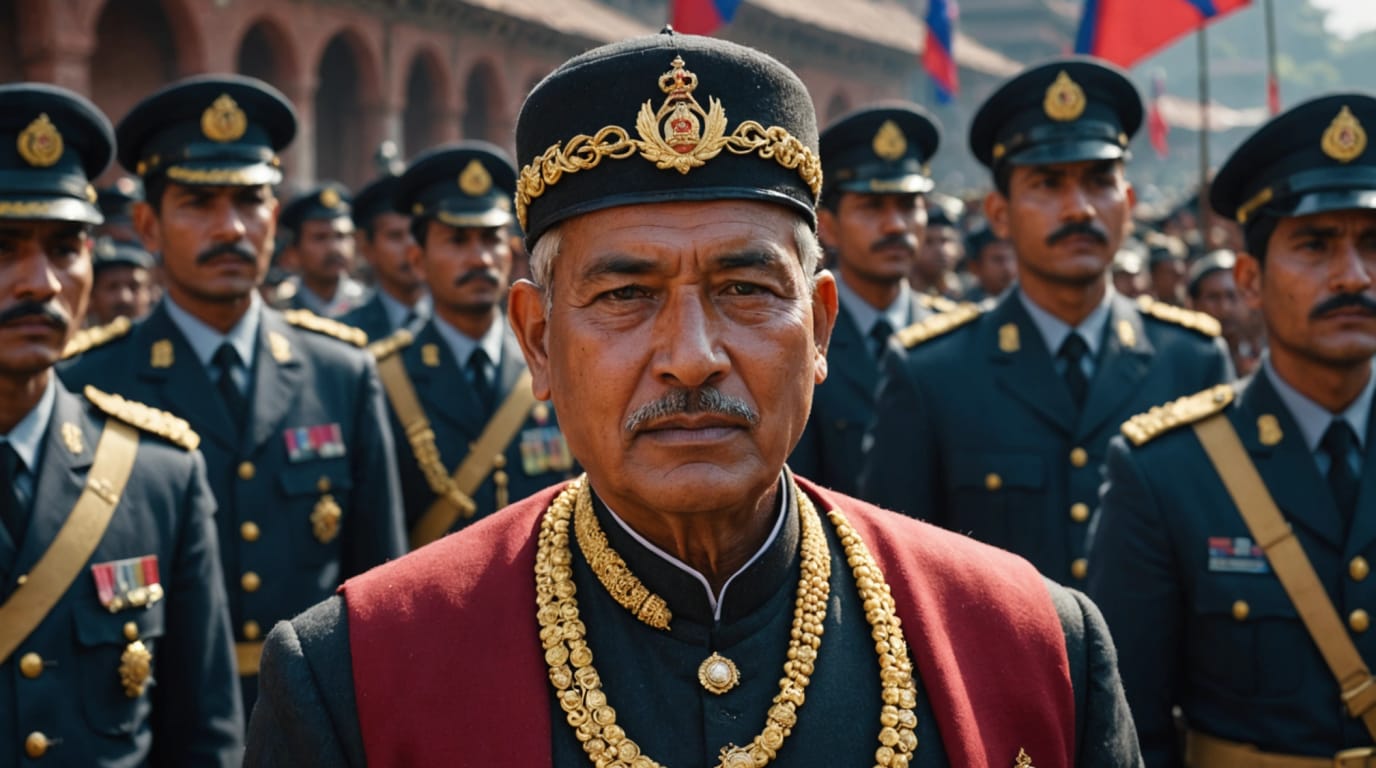
KATHMANDU, Nepal – A growing wave of discontent with Nepal's current political landscape has fueled increasing calls for the restoration of the monarchy, abolished in 2008. Frustration over persistent political instability, economic hardship, and perceived corruption has led some Nepalis to reconsider their support for the federal democratic republic, sparking renewed debate about the country's future.
Mounting Disillusionment with Republican Governance
Since the abolition of the 239-year-old monarchy, Nepal has experienced a tumultuous period marked by frequent changes in government. The country has seen 13 different administrations since 2008, leading to widespread public dissatisfaction with the efficacy of the republican system. Critics argue that the constant political infighting and lack of stable governance have hindered economic development and exacerbated existing social problems. This perceived failure of the current system has prompted some citizens to view the monarchy through a nostalgic lens, overlooking the past issues of the royal reign.
Pro-Monarchy Protests and Demonstrations
Recent weeks have witnessed a surge in pro-monarchy demonstrations across Nepal. Thousands of royalists have taken to the streets, demanding the reinstatement of former King Gyanendra Shah and the restoration of Hinduism as the state religion. Chants of "Long live our beloved king" and "Vacate the royal palace for the king" have echoed through Kathmandu, the nation's capital, as protesters voice their support for the return of the monarchy. One demonstration saw an estimated 10,000 royalists blocking the main entrance to Tribhuvan International Airport upon Gyanendra's return from a tour of western Nepal. The demonstration disrupted airport operations, forcing passengers to walk to and from the terminal, while hundreds of riot police prevented demonstrators from entering the airport.
The Former King's Role and the Political Landscape
Despite the growing support for the monarchy's return, former King Gyanendra Shah has remained largely silent on the issue. Political analysts believe that his chances of regaining the throne remain slim in the near future. The republic is constitutionally enshrined, and mainstream political parties remain opposed to reinstating the monarchy. Gyanendra first became king in 2001 after the tragic massacre of his brother, King Birendra, and his family. He initially ruled as a constitutional monarch but seized absolute power in 2005, dissolving the government and parliament, jailing politicians and journalists, and imposing emergency rule. This history of authoritarianism casts a shadow over any potential revival of the monarchy.
Opposition to the Monarchy's Return
Prominent political figures have voiced strong opposition to the restoration of the monarchy. Nepali Congress President and former Prime Minister Sher Bahadur Deuba stated firmly that there is no possibility of the monarchy's return. He suggested that if Gyanendra is interested in politics, he should form his own political party. Other political leaders have echoed this sentiment, emphasizing the importance of upholding the current republican system and addressing its shortcomings through democratic means.
Historical and Cultural Considerations
The debate over the monarchy's return also involves historical and cultural factors. According to Hindu belief, Guru Gorakhnath, a revered yogi, blessed Prithvi Narayan Shah, the 18th-century unifier of Nepal, with a monarchy destined to endure for 11 generations. This prophecy is believed to have reached its end with King Dipendra Shah, who briefly reigned in coma in 2001 after the royal massacre. From this perspective, any attempt to restore the monarchy could be seen as a rebellion against divine will. While Hinduism remains Nepal's dominant faith, the secular state enshrined in the 2015 constitution reflects a broader societal shift. Restoring a Hindu monarchy would face resistance from political elites and a populace wary of returning to absolutism.
Conclusion: An Uncertain Future
The calls for the restoration of Nepal's monarchy reflect a deep-seated frustration with the country's current political and economic situation. While the movement has gained momentum in recent weeks, significant obstacles remain in the path of any potential royal revival. The constitutional framework, the opposition of mainstream political parties, and historical considerations all pose formidable challenges. Nepal's future likely lies not in reviving the past but in navigating the challenges of its republican present and working towards a more stable and prosperous democracy. The path forward requires addressing the root causes of public discontent, strengthening democratic institutions, and promoting inclusive governance that benefits all Nepalis.


