Cambodia's Cyber Scam Crackdown: A Serious Effort or a Game of Whack-a-Mole?
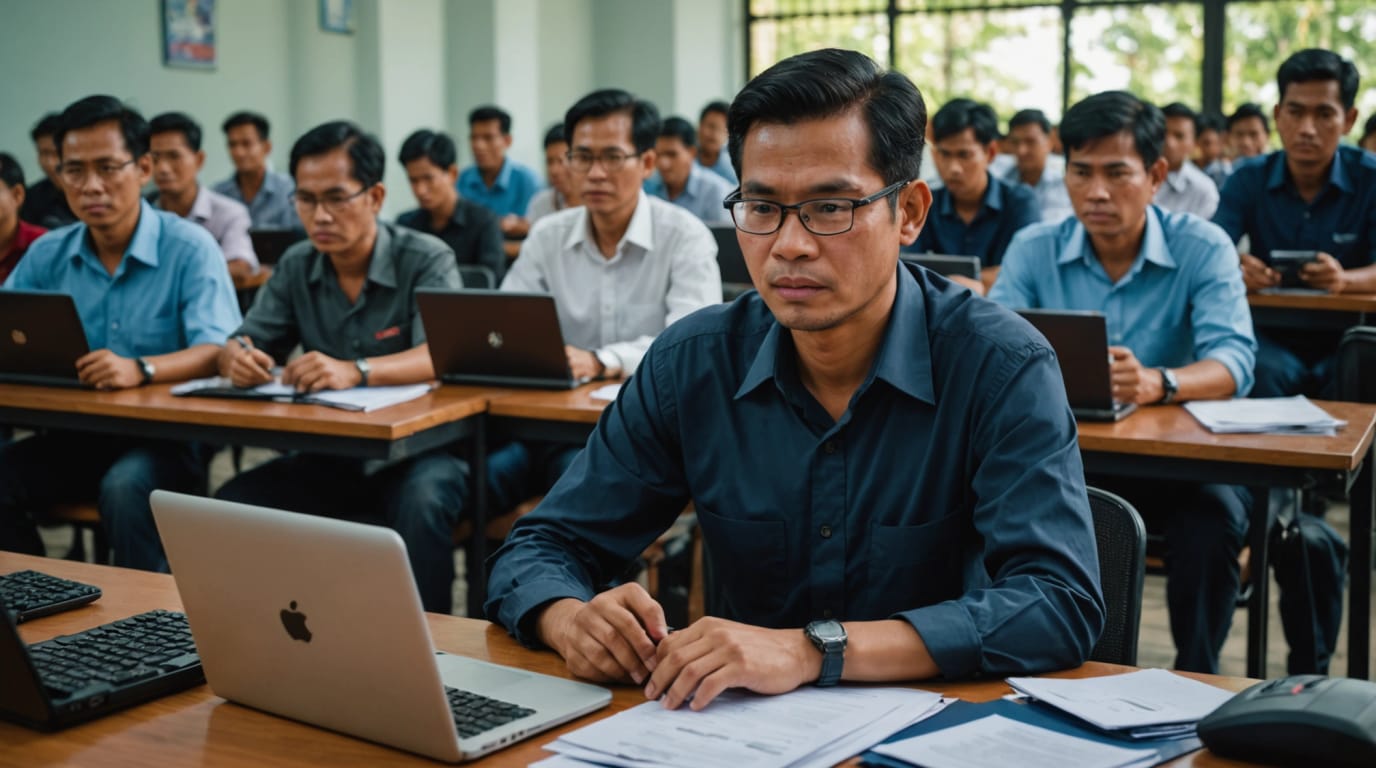
Cambodia has emerged as a hotbed for organized cyber scams, drawing international scrutiny and prompting questions about the government's commitment to eradicating these illicit operations. Fueled by human trafficking and forced labor, these scams have ensnared victims worldwide, costing individuals and economies billions of dollars. While Cambodian authorities have launched crackdowns and established commissions to combat the issue, doubts persist about the depth and effectiveness of these efforts.
The Rise of Cyber Scam Hubs
Since 2021, Cambodia has witnessed a surge in cyber scam operations, often operating under the guise of online casinos or resorts. These operations lure individuals from across the globe with promises of high-paying jobs, only to trap them in forced labor and subject them to brutal conditions. Victims are coerced into perpetrating online scams, including romance scams, cryptocurrency fraud, and "pig butchering" schemes, which involve building relationships with victims before defrauding them of their savings.
The United Nations estimates that over 100,000 people are trafficked into Cambodia to work in these online scam operations. These operations have generated billions of dollars in illicit revenue, with some estimates suggesting that they contribute significantly to the country's GDP. The Cambodian government has faced increasing international pressure to address the issue, with the United States downgrading the country's status in its annual "Trafficking in Persons" report.
Government Response: Raids, Commissions, and Repatriations
In response to mounting pressure, the Cambodian government has taken steps to combat cyber scams. These efforts include:
- Raids on scam compounds: Authorities have conducted raids on suspected scam operations, resulting in the arrest and deportation of thousands of individuals. In March 2025, a crackdown led by the newly-formed Commission for Combatting Online Scams netted 258 foreigners in Mondulkiri province.
- Establishment of the Commission for Combatting Online Scams: Headed by Prime Minister Hun Manet, this high-level task force is responsible for implementing strategies to prevent, suppress, and combat online scams. The commission has been granted the authority to deploy armed forces and law enforcement officers in operations against online fraud.
- Repatriation of victims: The government has worked with foreign embassies to repatriate victims of cyber scams. In March 2025, Cambodia deported 119 Thais who were detained during raids on alleged cyber-scam centers in Poipet.
- Increased awareness campaigns: The Ministry of Post and Telecommunications has launched cybersecurity awareness campaigns to educate citizens about online safety and prevent them from falling victim to scams.
Concerns and Criticisms: A Façade or Real Change?
Despite these efforts, concerns remain about the Cambodian government's commitment to truly dismantling the cyber scam industry. Critics point to the following issues:
- Official complicity: Reports suggest that corruption and official complicity in trafficking crimes are widespread, hindering effective law enforcement action against trafficking crimes, including forced labor in online investment scam operations. The U.S. State Department has noted that the government has appointed some individuals despite “past and ongoing public allegations of official complicity in human trafficking-related cases to positions overseeing, or with significant influence over, the government's anti-trafficking response.”
- Denial of the scale of the problem: Cambodian authorities have disputed reports about the extent of human trafficking and cyber scams in the country, accusing news outlets of "baseless" reporting and denying UN estimates of 100,000 victims.
- Relocation of scam operations: Some observers believe that crackdowns have only led to the relocation of scam operations to other areas within Cambodia or neighboring countries, rather than a lasting impact on the industry.
- Focus on low-level perpetrators: Police raids often target relatively small and obscure scam operations, while the "key figures" running or protecting the industry remain untouched.
- Lack of transparency: The government's handling of scam cases has become more opaque, with NGOs reporting that their role in assisting victims has been curtailed.
International Pressure and Cooperation
The Cambodian government's response to cyber scams has been heavily influenced by international pressure. The United States has imposed sanctions on Cambodian tycoon Ly Yong Phat and his conglomerate for their role in human rights abuses related to forced labor in online investment scam operations. Neighboring countries like Indonesia and Thailand have also urged Cambodia to protect their nationals from online scams and strengthen cooperation in combating cybercrime.
Cambodia has sought to strengthen international cooperation by exchanging information with other countries on suspected online scam networks and enhancing law enforcement collaboration. However, some critics argue that these efforts are insufficient and that Cambodia needs to take more concrete steps to address the root causes of the problem, including corruption and weak governance.
The Future of Cambodia's Cyber Scam Crackdown
Whether Cambodia is serious about ending organized cyber scams remains an open question. While the government has taken some positive steps, concerns persist about the depth and sincerity of its efforts. To truly dismantle the cyber scam industry, Cambodia needs to address issues of corruption, strengthen law enforcement, and cooperate transparently with international partners.
The establishment of the Commission for Combatting Online Scams is a promising sign, but its effectiveness will depend on its ability to overcome the challenges of official complicity and entrenched criminal networks. Ultimately, Cambodia's success in combating cyber scams will hinge on its willingness to prioritize human rights, uphold the rule of law, and demonstrate a genuine commitment to eradicating this scourge from its borders.


