Can Canada and India Reset Relations After Trudeau?
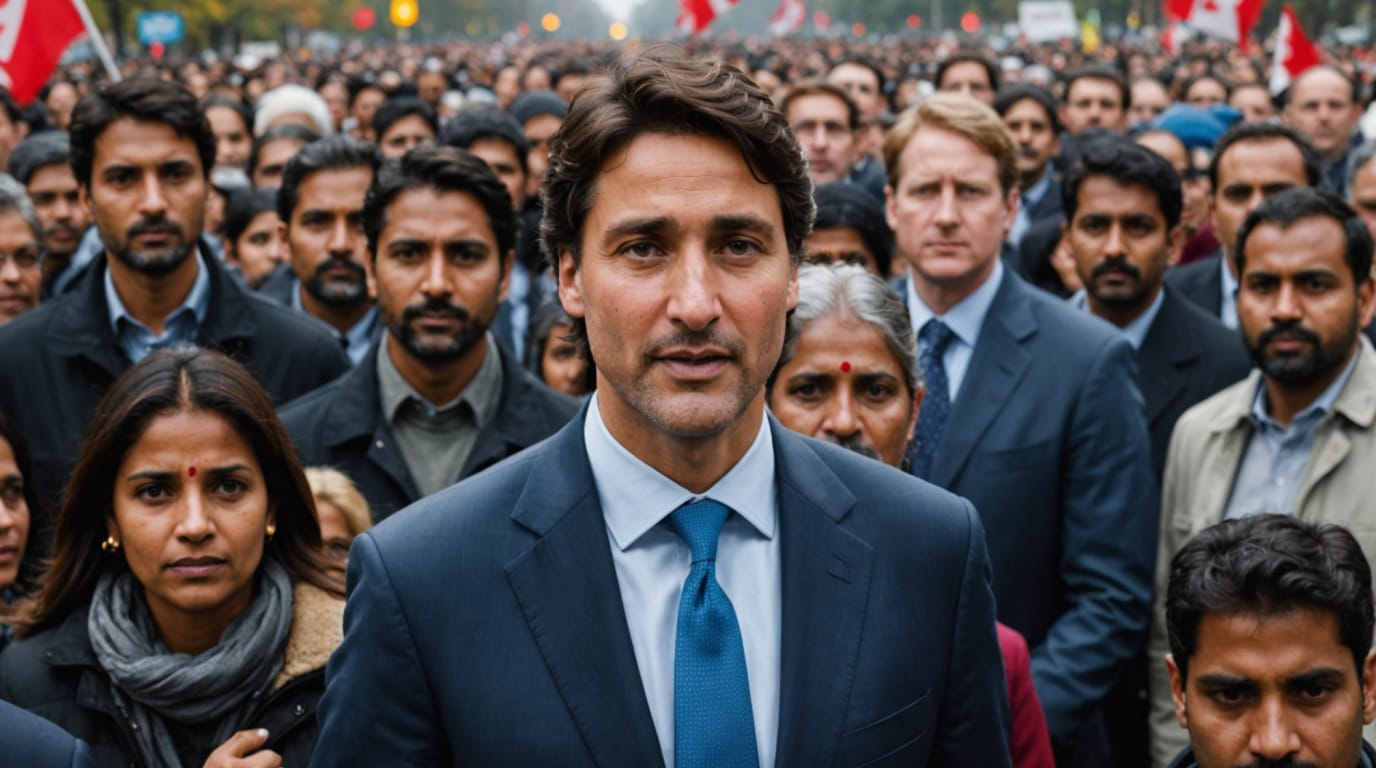
The resignation of Justin Trudeau as Prime Minister of Canada has opened a window for a potential reset in the strained relationship between Canada and India. Trudeau's tenure saw relations plummet to a historic low, primarily due to allegations of Indian government involvement in the assassination of Khalistani activist Hardeep Singh Nijjar on Canadian soil in 2023. With Mark Carney poised to take over as Prime Minister, both nations have an opportunity to mend fences and rebuild a vital partnership.
A Rocky Relationship Under Trudeau
The diplomatic crisis between Canada and India escalated significantly following Trudeau's accusations in September 2023. He claimed that Canadian security agencies had credible evidence linking Indian agents to the killing of Nijjar, a vocal advocate for an independent Sikh state. India vehemently denied these allegations, dismissing them as absurd and politically motivated. The situation led to a series of retaliatory actions, including the expulsion of diplomats from both countries and the suspension of visa services.
India also accused Canada of harboring Khalistani extremists and providing a safe haven for anti-India activities. This accusation was fueled by the presence of a sizable Sikh diaspora in Canada, some of whom support the Khalistan movement, which seeks to create a separate Sikh state in India's Punjab region. India views the Khalistan movement as a threat to its national security and has been critical of Canada's handling of the issue.
The diplomatic fallout had a chilling effect on various aspects of the bilateral relationship, including trade negotiations and people-to-people ties. Discussions for the Comprehensive Economic Partnership Agreement (CEPA), a proposed trade deal between the two countries, were put on hold. Canada also ended its fast-track study visa program, which had been popular with Indian students, and reduced the number of international student permits.
A Chance for a Fresh Start with Carney
With Trudeau stepping down, there is renewed hope for a thaw in relations between Canada and India. Mark Carney, the incoming Prime Minister, has signaled his intention to rebuild the strained ties and diversify Ottawa's trade relationship with New Delhi. Carney's background as an economist and former central bank governor is seen as an advantage, given his understanding of the economic ties between the two countries.
India has also shown a willingness to engage with Carney's administration. There are considerations to restore its high commissioner to Canada, and Canada's spy chief is scheduled to visit India for an intelligence conference. These steps indicate a mutual desire to de-escalate tensions and explore avenues for cooperation.
Economic and Strategic Imperatives
Both Canada and India have significant economic and strategic reasons to improve their relationship. India is the world's fifth-largest economy and a rapidly growing market, making it an attractive partner for Canada. In 2022, Canada exported $5.3 billion worth of goods to India, while imports from India amounted to $8.3 billion. A comprehensive trade agreement could significantly boost bilateral trade and investment, benefiting businesses in both countries.
Canada also views India as a key partner in its Indo-Pacific strategy, which aims to diversify its economic and security relationships in the region and reduce its reliance on China. India shares Canada's concerns about China's growing influence and is a natural partner in promoting a stable and rules-based Indo-Pacific order.
Challenges and Opportunities Ahead
Despite the potential for a reset, several challenges remain in the Canada-India relationship. The Khalistan issue continues to be a sensitive topic, and any progress will require careful diplomacy and mutual understanding. Canada needs to address India's concerns about the activities of extremist groups within its borders, while also upholding its commitment to freedom of speech and expression.
Another challenge is the differing perspectives on geopolitical issues, such as Afghanistan, Iran, and Pakistan. However, these differences should not overshadow the shared interests and values that underpin the relationship between Canada and India.
To move forward, both countries need to focus on practical steps to rebuild trust and cooperation. This includes resuming trade negotiations, enhancing security cooperation, and promoting people-to-people exchanges. Canada can also work to address the concerns of the Indian diaspora, who have been affected by the recent tensions.
Conclusion
The departure of Justin Trudeau presents a crucial opportunity for Canada and India to move past their recent row and forge a stronger, more resilient partnership. While challenges remain, the economic and strategic imperatives for closer cooperation are clear. By focusing on shared interests and engaging in constructive dialogue, both nations can unlock the full potential of their relationship and contribute to a more stable and prosperous Indo-Pacific region. The coming months will be critical in determining whether Canada and India can seize this opportunity and embark on a new chapter in their bilateral relations.


