Canada Proposes Sweeping Social Media Ban for Users Under 16, Citing Youth Mental Health Crisis
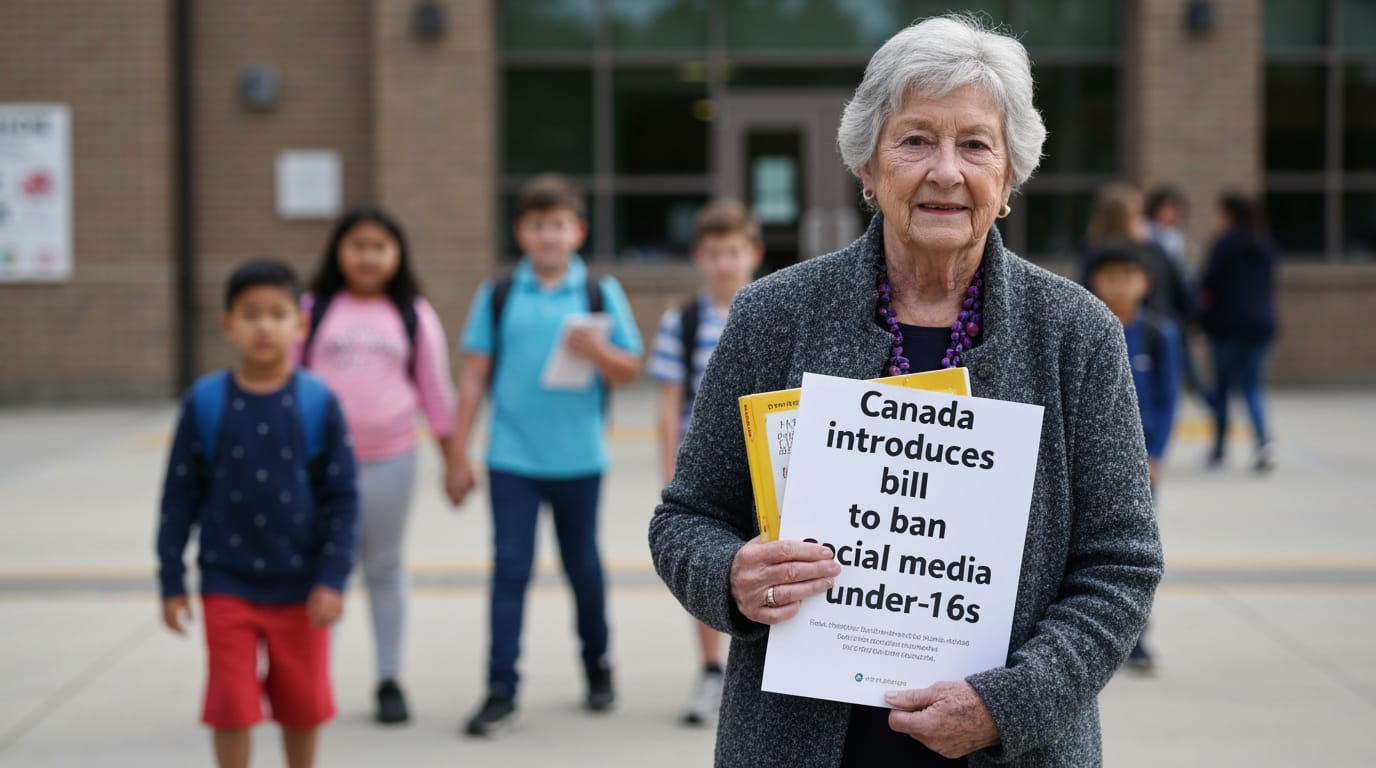
OTTAWA, ON – In a landmark move aimed at safeguarding the mental well-being of its youngest citizens, Canada's federal government has introduced legislation that would prohibit individuals under the age of 16 from accessing social media platforms. The proposed "Safe Social Media Act," designated Bill C-34, was unveiled Wednesday by Minister of Canadian Identity and Culture Marc Miller, marking a significant escalation in the global effort to regulate online spaces for minors. The bill also seeks to impose new safety standards on artificial intelligence (AI) chatbots.
The legislation arrives amidst growing national and international concern over the detrimental effects of social media on adolescent development, mental health, and safety. Officials contend that platforms, often designed to maximize engagement, contribute to anxiety, isolation, depression, and expose young people to cyberbullying, exploitation, and harmful content. The government's proposal positions Canada among a growing list of nations implementing or exploring stringent age restrictions for online platforms, reflecting a broadening consensus that digital environments require stronger oversight to protect vulnerable populations.
The Core of the Legislation: Age Restriction and New Regulatory Powers
At the heart of Bill C-34 is a mandate that restricts social media access for anyone under 16 years old. However, the bill includes provisions for social media companies to seek exemptions if they can demonstrate the implementation of "sufficient safeguards" to protect younger users. The specific criteria for these exemptions will be developed and overseen by a new independent body, the Canadian Digital Safety Commission (CDSC). Platforms featuring adult content would not be eligible for such exemptions.
The CDSC is envisioned as a powerful new regulator, tasked with establishing, overseeing, and enforcing safety standards for both social media services and AI chatbots. Its powers would include issuing orders, conducting inspections, and levying substantial fines against non-compliant companies, potentially reaching up to three percent of their global revenue or $10 million, whichever amount is greater. According to government officials, the commission could be operational within 18 months of the bill receiving royal assent, with age-gating regulations potentially coming into effect six to eight months thereafter.
Minister Miller emphasized the urgency of the situation, stating, "We are failing our children. Enough is enough." The legislation outlines seven categories of harmful content, including material that induces self-harm, incites violence, foments hatred, or involves non-consensual intimate images, which platforms would be obligated to manage. While AI chatbots are included under the regulatory framework with a "duty to act responsibly," the bill does not impose an outright ban on their use for individuals under 16.
Public Support and Underlying Concerns
The proposed ban appears to resonate with a significant portion of the Canadian public. A March Angus Reid Institute poll indicated that three-quarters (75%) of Canadians support a full ban on social media for those under 16, a sentiment shared by 70% of parents. The survey also highlighted near-unanimous concern among Canadians regarding children's exposure to misinformation (92%), cyberbullying (90%), explicit content (85%), negative mental health impacts (94%), and addiction (94%) on social platforms.
The government's push for this legislation builds on years of advocacy from child safety organizations and health experts who have consistently highlighted the adverse effects of unregulated social media use on young people. Concerns cited range from increased rates of cyberbullying and sextortion to severe mental health impacts and addictive design features. Educational institutions have also voiced concerns about the "massive strains" on resources due to an observed attention, learning, and mental health crisis among students, which they link to compulsive social media use.
International Precedents and Implementation Challenges
Canada's initiative follows a global trend of countries moving to restrict minors' access to social media. Australia implemented a ban for under-16s on major platforms in December 2025, a pioneering effort that saw social media companies revoke access to approximately 4.7 million accounts belonging to children. Other nations, including France (under-15s), Italy (parental consent for under-14s), Portugal (parental consent for under-16s, outright ban for under-13s), and Malaysia (under-16s), have introduced similar measures or are actively considering them. Countries like the United Kingdom, Spain, Denmark, Norway, and South Korea are also studying or developing comparable approaches.
However, the implementation of such bans is not without its critics and challenges. Concerns have been raised about the practical enforceability of age restrictions, with many questioning whether teenagers will simply find ways to circumvent the rules. Canadian officials acknowledge that no system is 100% effective and plan to learn from the experiences of other jurisdictions, particularly Australia.
A significant point of contention revolves around age verification mechanisms. Critics argue that requiring robust age verification for minors could necessitate similar processes for all users, raising substantial privacy concerns for millions of Canadians. Legal experts suggest that such requirements could effectively create a "nationwide ID system" and potentially infringe on fundamental rights such as freedom of expression. Some also argue that focusing on age bans diverts attention from the need to hold platforms accountable for inherently harmful design features and content moderation failures that affect users of all ages.
Furthermore, the bill could create international friction. The United States has previously expressed opposition to broad social media bans and regulations that compel platforms to collect government-issued IDs, citing privacy and free speech concerns. This stance suggests a potential for trade disputes if Canada's legislation proceeds as proposed, particularly given the prevalence of large U.S.-based social media companies.
Looking Ahead: A Complex Digital Landscape
As Bill C-34 begins its journey through Parliament, it represents a bold assertion by the Canadian government of its responsibility to protect children in the digital age. The debate surrounding its provisions will undoubtedly be robust, touching upon the delicate balance between online safety, individual freedoms, parental authority, and technological innovation. While the ambition to curb the negative impacts of social media on youth is widely shared, the path to effective and equitable implementation remains complex and fraught with both practical and philosophical challenges. The coming months will determine how Canada navigates these intricate issues to shape the future of its youngest citizens' online experiences.


