Canary Islands: Beyond the Azure, Unseen Hazards Lurk
The Canary Islands, an archipelago renowned for its year-round sunshine, volcanic landscapes, and pristine beaches, beckons millions of visitors annually. While the Atlantic Ocean surrounding these Spanish islands presents its own challenges, such as powerful currents and sudden swells, a less-obvious array of dangers lies beyond the coastline, woven into the very fabric of their dramatic geology and dynamic climate. From active volcanoes to treacherous mountain trails and shifting atmospheric conditions, visitors and residents alike navigate an environment where natural forces demand respect and vigilance.
The Earth Beneath Our Feet: Living with Active Volcanoes
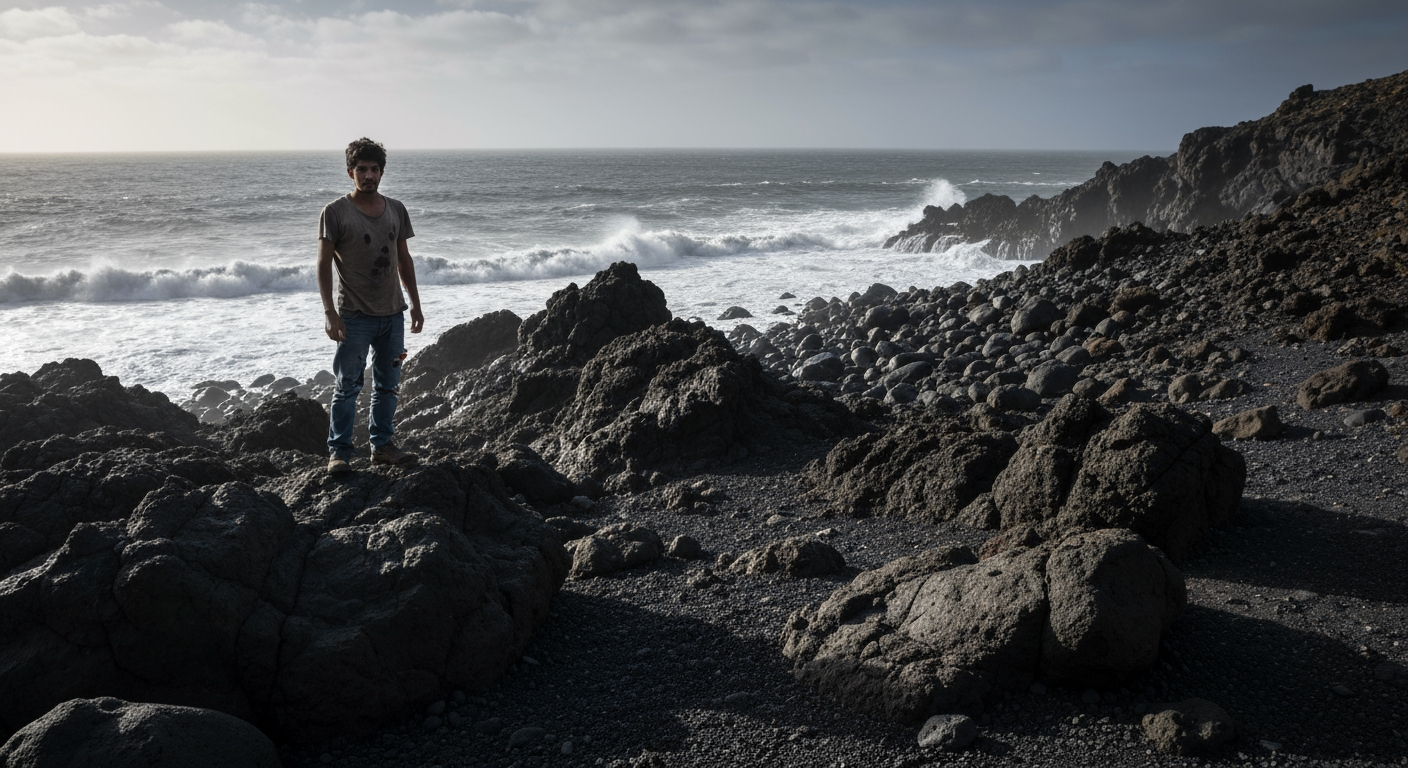
The Canary Islands owe their existence to volcanic activity, a geological heritage that continues to shape their present and future. Each island, except for La Gomera, harbors active volcanoes, making the archipelago one of Europe's most geologically dynamic regions. While volcanic eruptions are relatively infrequent, their potential impact is substantial, as dramatically demonstrated by the Cumbre Vieja eruption on La Palma in 2021. This event caused widespread damage and highlighted the ever-present reality of living on a volcanic hotspot.
Mount Teide on Tenerife, Spain's highest peak and the third-tallest volcano in the world, remains active, though its last eruption occurred in the early 20th century. Scientists closely monitor the volcano, understanding that a significant eruption is anticipated at some indeterminate future time. The ongoing seismic activity across the islands, particularly in Tenerife, serves as a constant reminder of the subterranean forces at play, with moderate-magnitude earthquakes frequently recorded, primarily related to magma intrusion and hydrothermal system dynamics.
Beyond eruptions, volcanic geology also contributes to discussions around potential megatsunamis, a hypothesis that gained traction regarding the collapse of volcanic flanks. While this scenario, particularly related to a large-scale flank collapse, is largely refuted by current scientific evidence as an immediate threat to distant continents, localized tsunamis generated by volcanic activity, such as lava delta collapses, remain a real and recognized hazard. The critical takeaway for those in the Canary Islands is not to live in fear but to acknowledge and understand the robust monitoring systems in place and to heed local authorities' guidance during periods of heightened volcanic unrest.
Treacherous Trails: The Perils of Island Hiking
For many, the allure of the Canary Islands extends beyond the beaches to the dramatic interior, offering extensive networks of hiking trails that traverse lush forests, arid volcanic plains, and towering peaks. However, this natural beauty can conceal significant dangers for the unprepared. Outdoor activities, especially hiking, can quickly turn hazardous if proper precautions are not taken.
One of the primary concerns is the varying quality of trails; not all are clearly marked, and some feature vertiginous sections, erosion, and slippery surfaces, particularly after rainfall. The rapid and often unpredictable changes in weather conditions, particularly around high peaks like Pico del Teide or Pico de las Nieves, can catch hikers off guard. Clear skies can quickly give way to fog, strong winds, or even sudden downpours, making navigation difficult and increasing the risk of falls or getting lost.
Altitude sickness is another real concern for those venturing to higher elevations, particularly on Mount Teide, which stands at 3,718 meters. Symptoms such as dizziness, nausea, breathlessness, and headaches can affect hikers, underscoring the importance of acclimatization and immediate descent if symptoms worsen. Dehydration is also a perennial threat due to the often intense sun, even when cooled by island breezes. Authorities strongly advise hikers to carry sufficient water, plan routes carefully, inform others of their itinerary, and avoid venturing off marked paths. Travel insurance that includes helicopter rescue and medical evacuation is also a recommended safeguard for those planning adventurous excursions.
Winds of Change: Atmospheric Challenges and Environmental Risks
The Canary Islands are famously known as the "Fortunate Islands" due to their agreeable climate, heavily influenced by the trade winds. While these winds are a boon for water sports enthusiasts, providing ideal conditions for windsurfing and kitesurfing, they also bring their own set of challenges. Fuerteventura, for instance, earns its name, in part, from the consistently strong winds ("viento fuerte") that characterize the island, which, while often refreshing, can intensify, affecting beachgoers and potentially dislodging unsecured objects.
Beyond localized breezes, the archipelago experiences the "calima," a meteorological phenomenon where dust-laden winds from the Sahara Desert sweep across the islands. These events bring elevated temperatures, reduced visibility, and a pervasive haze that can exacerbate respiratory issues. While typically lasting a few days, a calima can significantly alter the island experience and requires residents and visitors to take precautions against heat and poor air quality.
Furthermore, the combination of warm temperatures, dry vegetation, and strong winds elevates the risk of forest fires, particularly during extended heat waves, a threat increasingly amplified by climate change. Accidental fires, even from carelessly discarded cigarette butts or reflective glass, can spread rapidly, leading to devastating consequences for the natural environment and human settlements. Spanish law makes forest fires a criminal offense, even if accidental, underscoring the severity of this environmental hazard.
Beyond Natural Forces: Other Concerns
While dramatic natural phenomena often capture headlines, other, more subtle dangers exist in the Canary Islands. Flash floods, for instance, can occur unexpectedly following heavy rainfall, particularly in narrow ravines and low-lying coastal areas. The islands' steep topography, combined with torrential hydrology, can lead to rapid and dangerous water flows. Authorities have increasingly focused on flood prevention measures, including ravine cleaning and reforestation, to mitigate these risks. Landslides and rockfalls, while less common, also pose risks, especially in areas with unstable slopes or near human activity.
In the realm of personal safety, while crime rates in the Canary Islands are generally low, petty crime, such as pickpocketing, remains a concern in crowded tourist areas on islands like Tenerife, Gran Canaria, Fuerteventura, and Lanzarote. Visitors are advised to secure valuables, remain aware of their surroundings, and avoid leaving food or drinks unattended, a cautionary measure against potential drink spiking. Additionally, adherence to local laws and customs, including prohibitions on public drinking, smoking, and vaping, is essential to avoid fines and ensure a trouble-free visit.
Embracing Awareness for a Safer Experience
The Canary Islands continue to enchant travelers with their unique blend of natural wonders and vibrant culture. The myriad attractions, from the vibrant nightlife of Tenerife to the serene hiking trails of La Gomera, offer something for every visitor. Yet, beneath the idyllic surface lies a complex environment where awareness and preparedness are paramount. The geological dynamism, coupled with meteorological variability, means that appreciating the islands' beauty also entails respecting their inherent forces. By understanding the potential dangers beyond the sea—be they volcanic rumblings, challenging trails, or the whims of the wind—visitors can make informed choices, engage responsibly with the environment, and ensure their stay in this remarkable archipelago is as safe as it is unforgettable.
Related Articles


Mounting Frustration Grips Russia as Economic Hardship and War's Toll Deepen
Moscow, Russia – A palpable shift in public sentiment is emerging across Russia, with growing frustration among citizens fueled by a confluence of economic pressures, increasing internet restrictions, and the undeniable...


Germany's Strategic Calculus: Ukraine Aid is an Investment in European Security, Not Charity
Berlin – The ongoing provision of substantial aid to Ukraine by Germany and its allies is increasingly being framed not as an act of altruism, but as a crucial investment in European security and stability. This...