Cannes 2026: Cinema Holds a Mirror to a World in Tumult
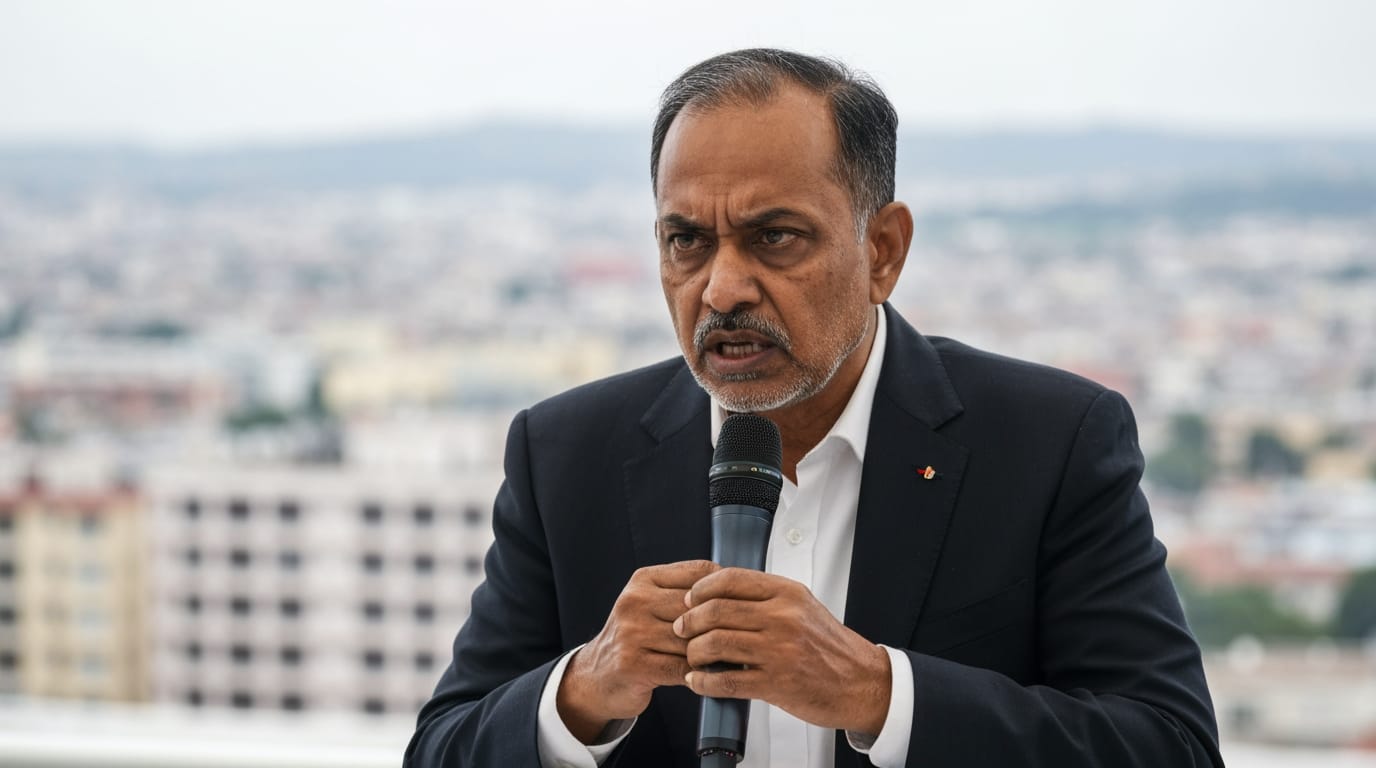
CANNES, France – The 79th Cannes Film Festival, traditionally a glamorous showcase of cinematic art, has this year unfolded as a poignant reflection of a world gripped by conflict and profound humanitarian crises. From its opening ceremony, the festival signaled a shift from pure entertainment to a platform for urgent global discourse, with films and discussions repeatedly underscoring themes of war, displacement, and artistic resistance. Jury President Park Chan-wook articulated this evolving role, emphasizing that politics and art should not be considered adversaries but rather harmonious dialogues that inform and enrich one another.
Echoes of War: Geopolitical Turmoil on Screen
The festival's official selection vividly portrays the diverse and devastating impacts of geopolitical conflicts across the globe. Andrey Zvyagintsev's "Minotaur," a political thriller set against the backdrop of the Russo-Ukrainian war, garnered significant attention. The film delves into themes of corruption and conscription within Russia, depicting the moral decay that can accompany state-sanctioned conflict. It presents a stark narrative of a wealthy transport company boss navigating demands to support Russia's war effort, while simultaneously grappling with personal betrayal, mirroring the wider societal tensions. Another film, James Gray's "Paper Tiger," also touches upon a Russian mafia network, further hinting at the pervasive reach of geopolitical anxieties.
Beyond the immediate headlines of current global struggles, Cannes also offered intimate perspectives on the human cost of historical conflicts. "Duera," set in Kosovo during the late 1990s, follows a 13-year-old girl coming of age amidst the escalating conflict with Serbia. The film, based on director Blerta Basholli's own experiences, focuses on the resilience and dreams of youth in uncertain times rather than overt political statements. Similarly, "Congo Boy" provides a harrowing yet hopeful account of a teenage refugee from the Democratic Republic of Congo striving for survival and caring for siblings during civil war in the Central African Republic, drawing directly from director Nelson Makengo's life story. Sara Ishaq's "The Station," a fiction debut set in war-torn Yemen, offers a unique anti-war narrative by centering on women who forge a safe haven in a gas station, subtly highlighting their resilience at the margins of conflict without explicit depictions of violence.
The enduring echoes of past global conflagrations also resonated deeply. Several French productions, including Emmanuel Marre's "A Man of His Time" and László Nemes' "Moulin," revisited World War II. "A Man of His Time" satirizes the moral compromises and casual cruelties of individuals collaborating with Vichy France, prompting discussions about historical accountability. "Moulin," by Oscar-winning director László Nemes, focuses on Jean Moulin, a central figure in the French Resistance, and his efforts to unify anti-Nazi movements, raising questions about individual agency in times of crisis. Lukas Dhont's "Coward," a World War I drama set on the Belgian frontline in 1916, offered a reinterpretation of the war genre by exploring themes of queer romance and masculinity against a backdrop of intense military struggle.
Voices of Resistance and Displacement
The festival provided a powerful platform for stories of resistance against oppressive regimes and the struggles of displaced populations. Iranian director Asghar Farhadi, whose film "Parallel Tales" was part of the official selection, has notably chosen to film outside Iran in protest of the Iranian government. Farhadi himself expressed deep sorrow over the "cruel and tragic" situation in his homeland, highlighting the ongoing pain of lost innocent lives and the challenges of censorship for artists. Pegah Ahangarani's "Rehearsals for a Revolution" further delves into 50 years of Iranian history, exploring generational trauma and defining revolution through deeply personal acts of resistance.
The plight of refugees and migrants was a recurring motif, extending beyond the narratives of individual films. Cate Blanchett, serving as a UNHCR Goodwill Ambassador, announced the second cycle of the Displacement Film Fund at Cannes. This initiative aims to champion and fund the work of displaced filmmakers, recognizing that displacement often means an entire career lost and that these authentic stories are crucial for fostering compassion and understanding. Blanchett, alongside screenwriter Paul Laverty, also engaged in candid discussions about the ongoing war in Gaza and the perceived taboos surrounding open dialogue about Palestine within certain circles. These conversations underscored the festival's commitment to addressing sensitive and pressing humanitarian issues.
Another powerful narrative of displacement and exploitation came from Laïla Marrakchi's "La Más Dulce (Strawberries)," which follows a Moroccan worker in Spain enduring abuse, harassment, and inhumane living conditions, ultimately depicting her resistance within systems of structural inequality. The Sudanese film "Nothing Happens After Your Absence" also explored the precariousness of cinema itself within contexts of conflict, as screening films becomes intertwined with bureaucracy and the outbreak of war.
Beyond Battlefields: Systemic Conflicts and Human Resilience
Beyond direct armed conflicts, the Cannes 2026 lineup explored broader systemic issues that contribute to global instability and human suffering. Jorge Thielen Armand's "Death Has No Master," set in Venezuela, offered a somber reflection on the cycle of violence and lawlessness that can plague a nation, demonstrating how violence can become generational.
The looming threat of environmental catastrophe also found its voice. Ryûsuke Hamaguchi's "All of a Sudden" contemplated human existence on a "despoiled planet" and grappled with the challenges of living within "a tangle of broken systems." This perspective was further amplified by documentaries such as "Groundswell" by Joshua and Rebecca Tickell, which champions regenerative agriculture as a tangible solution to combat climate change and restore ecosystems across five continents. The festival itself demonstrated a commitment to ecological awareness, hosting the International Festival of Ecological and Social Films (FIFES) and supporting local environmental projects.
The Festival's Evolving Role
This year, the Cannes Film Festival solidified its position not merely as a cinematic showcase but as a vital international forum for social and political dialogue. Festival Director Thierry Frémaux explicitly acknowledged that global politics and international conflicts significantly informed the selection process, resulting in a lineup "vastly different" from previous years, with a notable increase in international, independent, and politically outspoken stories over American blockbusters. This shift signals a deliberate effort to prioritize films that resonate with contemporary global realities.
Statements from key figures echoed this sentiment. Veteran actress Jane Fonda, during the opening ceremony, asserted that cinema has always been an "act of resistance" and a tool to challenge injustice and authoritarianism. The United Society Council's gala at Cannes also highlighted critical humanitarian causes, using the festival's visibility to draw international attention to issues like child safety and global literacy. This collective emphasis underscores a growing recognition within the film industry that art holds immense power to shape perceptions, provoke thought, and inspire action in a fractured world.
Conclusion
The Cannes Film Festival 2026 has powerfully demonstrated cinema's enduring capacity to serve as a mirror to humanity's most pressing challenges. From the heart-wrenching narratives of war and displacement to incisive critiques of political oppression and environmental degradation, the films selected this year offered profound insights into a world in conflict. By fostering discussions, supporting displaced artists, and prioritizing stories of resistance and resilience, Cannes has reaffirmed its role as a crucial cultural institution. In times of global turbulence, the festival stood as a testament to the idea that cinema is not just an escape, but a vital lens through which we can understand, confront, and ultimately, strive to overcome the complexities of our shared human experience.