Catastrophe in Congo's Coltan Mines: Hundreds Dead in Rubaya Collapse Under Rebel Control
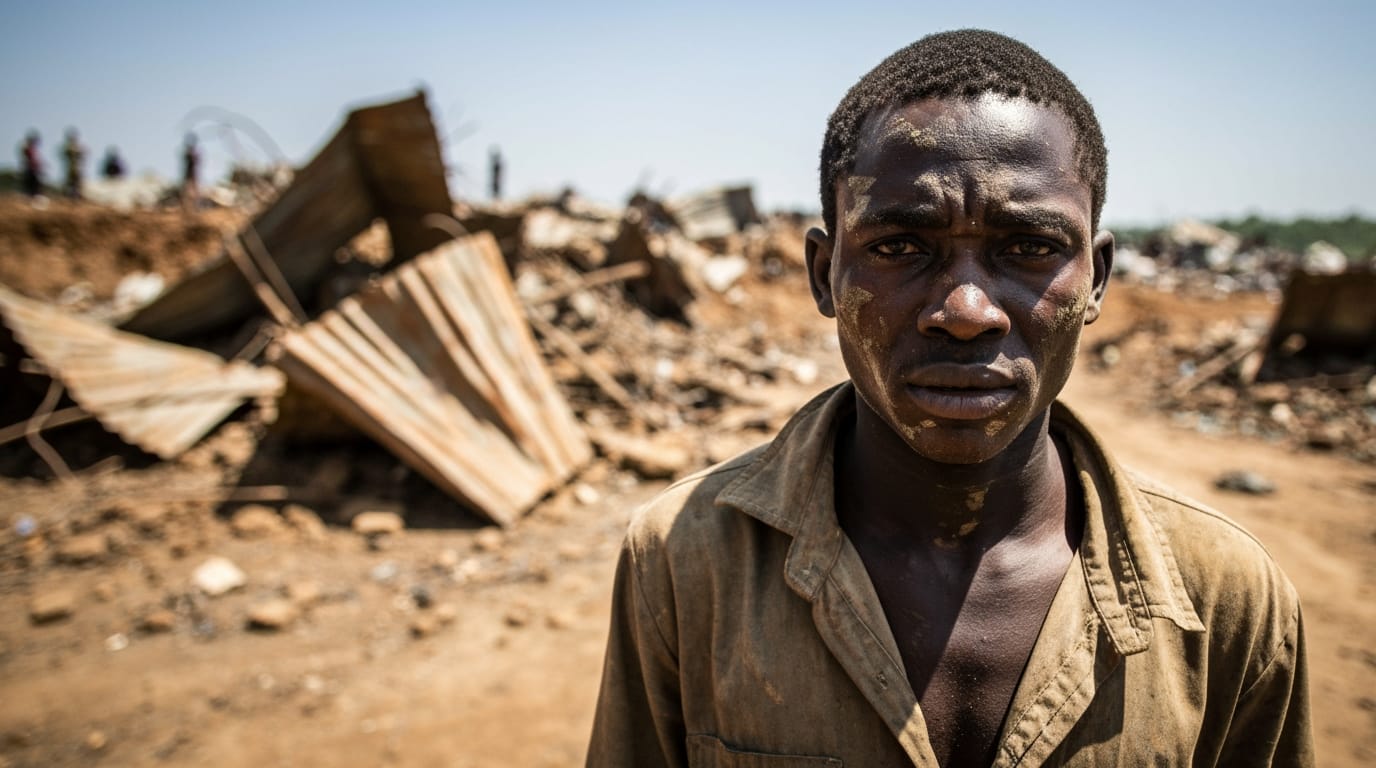
RUBAYA, DEMOCRATIC REPUBLIC OF CONGO – A devastating landslide at the Rubaya coltan mines in eastern Democratic Republic of Congo this week has claimed the lives of more than 200 people, according to rebel authorities controlling the mineral-rich area. The catastrophic collapse, triggered by heavy rainfall, underscores the perilous realities of artisanal mining in a region ravaged by conflict and where the global demand for vital electronics components fuels a deadly trade. The tragedy, which saw multiple shafts give way between Wednesday and Thursday, has left a community in North Kivu province reeling, with many victims still buried beneath mud and debris.
A Grim Reckoning in North Kivu
The scale of the disaster began to emerge on Friday, with Lumumba Kambere Muyisa, a spokesperson for the rebel-appointed governor of North Kivu province, confirming the grim toll. "More than 200 people were victims of this landslide, including miners, children and market women," Muyisa stated, indicating the pervasive danger that extends beyond those directly engaged in extraction. An adviser to the governor later placed the confirmed death count at a minimum of 227. Rescue efforts have been hampered by the treacherous conditions, with many bodies yet to be recovered, painting a stark picture of the humanitarian crisis unfolding in Rubaya.
The immediate cause of the collapse is attributed to the heavy rains that have saturated the region, destabilizing the hand-dug tunnels that characterize artisanal mining operations. These makeshift shafts often lack any proper engineering or safety reinforcements, turning them into death traps when confronted with adverse weather. Witnesses described a harrowing scene where parts of a hillside simply gave way, engulfing the mining sites. The incident highlights a recurring pattern of fatal accidents in eastern Congo's mines, where safety is routinely sacrificed for output in an unregulated environment.
Coltan's Cost: A Global Demand, Local Devastation
Rubaya is a pivotal site in the global supply chain, producing approximately 15% of the world's coltan. This black metallic ore is processed into tantalum, a heat-resistant metal indispensable for the manufacturing of modern electronics, including mobile phones, computers, and aerospace components. The insatiable global appetite for these technologies has maintained high coltan prices, inadvertently driving the dangerous artisanal mining practices prevalent in the DRC.
Thousands of residents in North Kivu, a region rich in diverse minerals, depend on artisanal mining for their survival, earning a few dollars per day under conditions of extreme risk. The economic desperation forces individuals, often including children, into poorly constructed and unstable mine shafts where the threat of collapse, oxygen deprivation, and toxic gas exposure are daily realities. The latest disaster tragically underscores how economic necessity compels people to accept these hazards, perpetuating a cycle of exploitation and loss.
Under the Shadow of Rebel Control
The Rubaya mining area has been under the control of the M23 (March 23 Movement) rebel group, or its broader alliance, AFC M23, since 2024. This rebel presence introduces a critical layer of complexity and danger to the mining operations. Under rebel governance, safety regulations are often non-existent, as armed groups prioritize mineral extraction and taxation over worker protection. The United Nations has previously reported that the M23 plunders Rubaya's riches to fund its insurgency, an allegation Rwanda, which the UN states backs the group, denies.
The establishment of M23's territorial control has created a regulatory vacuum, effectively displacing state authority with military actors focused on revenue generation. This includes imposing production taxes, transport fees, market access charges, and security fees, all contributing to their war chest. Without independent oversight or enforcement of safety standards, miners are pushed to work in increasingly precarious environments. This direct link between illicit mineral trade and armed conflict continues to destabilize eastern DRC, exacerbating an already acute humanitarian crisis.
A Cycle of Conflict, Poverty, and Environmental Peril
Eastern Congo has endured decades of violence fueled by a complex interplay of ethnic tensions, competition over natural resources, and the presence of numerous armed groups. The region's vast mineral wealth, including coltan, tin, tungsten, tantalum, and gold, paradoxically contributes to its instability. The illicit trade of these "conflict minerals" perpetuates the funding of rebel groups, hindering any efforts toward peace and development.
The informal nature of artisanal mining also carries severe environmental consequences, contributing to deforestation, habitat loss, and the pollution of waterways. The continuous excavation without proper land management further increases the risk of landslides, particularly during the rainy season, making such disasters tragically predictable rather than isolated incidents. Efforts by the Congolese government to formalize the artisanal mining sector and create regulated zones, such as those announced in November 2025 following another deadly accident, are a testament to the recognized dangers, but such initiatives struggle to penetrate areas under rebel control.
Lingering Questions and Urgent Needs
In the immediate aftermath, the rebel administration has announced a temporary halt to all artisanal mining activities at the Rubaya site and ordered the relocation of residents who had built shelters precariously close to the hazardous mining zones. Injured individuals are receiving treatment in local health facilities, with plans underway to transfer more severely wounded to Goma, the provincial capital. However, the long-term implications of this disaster are profound.
The Rubaya mine collapse is a stark reminder of the human cost embedded in the global demand for minerals and the dire need for accountability across international supply chains. It highlights the urgent necessity for comprehensive reforms in mining safety standards, stronger governance structures, and concerted international efforts to address the root causes of conflict and exploitation in eastern DRC. Until these systemic issues are confronted, the pursuit of valuable minerals will continue to exact an unbearable toll on the lives of those caught in the crossfire of poverty and conflict.


