Catholic Church Mourns Passing of Pope Francis, Prepares for Conclave to Elect Successor
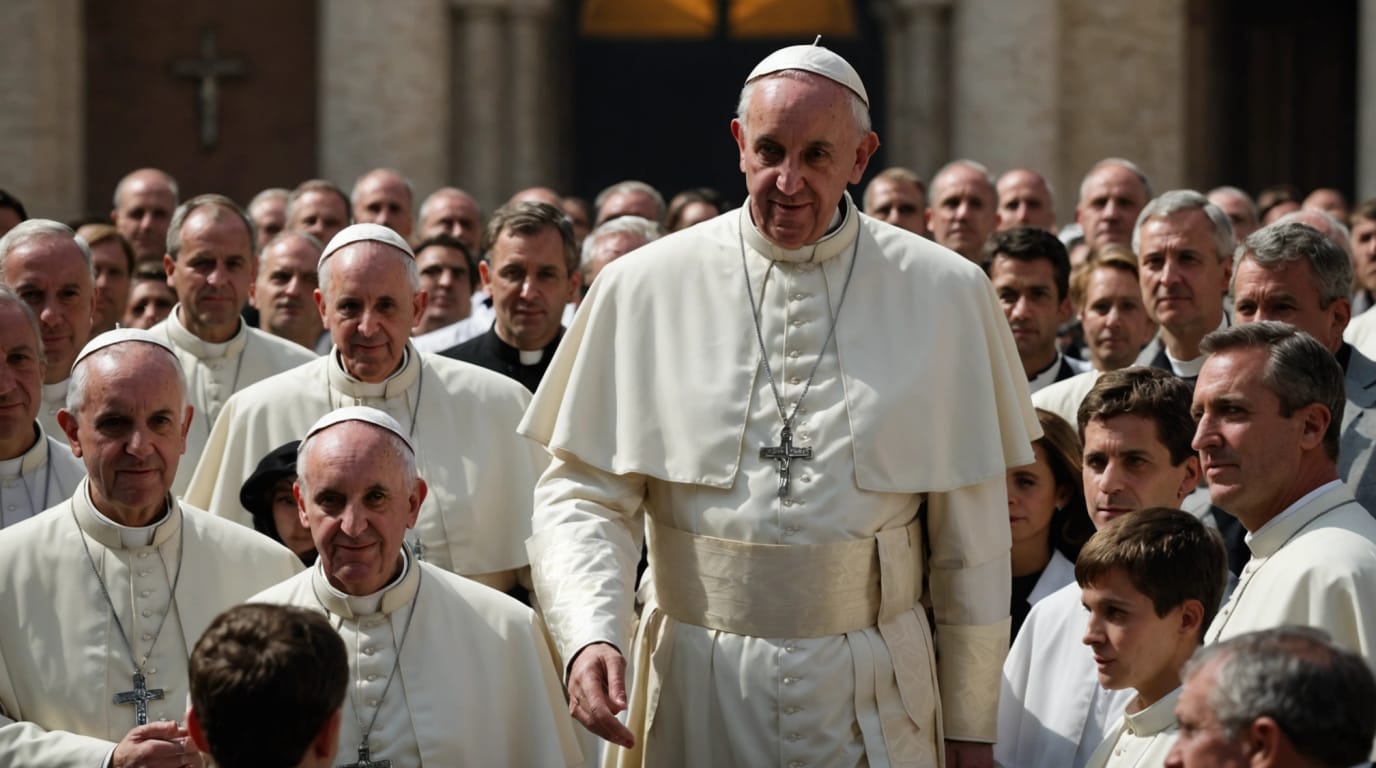
The Catholic Church is in mourning following the death of Pope Francis on Easter Monday at the age of 88. The Vatican announced his passing, marking the end of a pontificate that began in 2013 and was characterized by a focus on social justice, reform, and a more inclusive Church. As the world's 1.39 billion Catholics grieve, attention now turns to the process of selecting his successor, a complex and historically rich tradition known as the papal conclave.
The Papal Conclave: Electing a New Leader
The election of a new pope is a momentous occasion, steeped in centuries of tradition. Following Pope Francis's death, the responsibility of governing the Church falls to the College of Cardinals. The central task of these cardinals is to elect a new leader in a process designed to be free from external influence. This gathering of cardinals is known as a conclave, derived from the Latin "con clavis," meaning "with key," highlighting the locked-away nature of the proceedings.
The conclave typically begins 15 to 20 days after the death of the Pope, allowing time for mourning and for cardinals from around the world to travel to the Vatican. The proceedings take place within the Sistine Chapel, a location chosen to symbolize the gravity and sacredness of the task at hand.
Who Can Vote? Who Are the Potential Successors?
Only cardinals under the age of 80 are eligible to vote in the conclave. As of April 21, 2025, there are 135 cardinal electors out of 252 cardinals worldwide. These electors come from diverse geographical backgrounds: 53 from Europe, 23 from Asia, 20 from North America, 18 from Africa, 17 from South America, and 4 from Oceania. Italy has the highest number of cardinal electors with 17, followed by the United States with 10 and Brazil with 7.
While any baptized Catholic man is technically eligible to be elected Pope, since 1378, the choice has always come from within the College of Cardinals. Several names have emerged as potential candidates to succeed Pope Francis.
-
Cardinal Pietro Parolin (Italy): The Vatican's Secretary of State, 70, is considered by some to be a frontrunner. His extensive diplomatic experience and moderate stance make him a potentially unifying figure.
-
Cardinal Peter Erdo (Hungary): The 72-year-old Archbishop of Esztergom-Budapest is seen as a leading conservative candidate. His traditional views and emphasis on theological orthodoxy could signal a shift away from Pope Francis's more liberal approach.
-
Cardinal Luis Antonio Tagle (Philippines): At 67, Tagle is a relatively young candidate who emphasizes social justice and caring for the poor, similar to Pope Francis. His election would mark the first time a Pope from Asia is selected.
-
Cardinal Matteo Zuppi (Italy): The 69-year-old Archbishop of Bologna is considered a favorite of Pope Francis. He has been involved in peace missions and is regarded as a progressive candidate.
-
Cardinal Peter Turkson (Ghana): The 76-year-old Ghanaian prelate is a strong contender, potentially becoming the first African pope since the 5th century.
The Voting Process: Secrecy and Tradition
The voting process within the conclave is shrouded in secrecy. On the first day, a special Mass is held in St. Peter's Basilica. In the afternoon, the cardinal electors proceed to the Sistine Chapel, where they take an oath of secrecy. All communication with the outside world is forbidden; phones and internet access are blocked, and the chapel is checked for recording devices.
The cardinals then cast their votes via secret ballot. Each cardinal writes the name of his chosen candidate on a paper ballot and processes to the altar. There, they place the ballot on a plate, pray, and then drop it into an urn. The names are then counted, and if a candidate receives a two-thirds majority, he is elected Pope.
If no candidate secures the required majority on the first ballot, up to four ballots are held each day – two in the morning and two in the afternoon – until a decision is reached. After a set number of ballots without a result, the process is suspended for a day of prayer and discussion.
The outside world is informed of the conclave's progress through a visual signal: smoke rising from the Sistine Chapel's chimney. Black smoke indicates that no decision has been reached, while white smoke signals the election of a new Pope.
Once a Pope is elected, the Dean of the College of Cardinals asks him if he accepts the election. If he accepts, he is then asked to choose his papal name. The new Pope is then presented to the world from the balcony of St. Peter's Basilica.
Pope Francis's Legacy and the Future of the Church
Pope Francis's death comes after a period of declining health. He had a lung removed as a young man and experienced several health issues during his papacy, including colon surgery and recurrent respiratory infections.
His papacy was marked by efforts to reform the Church, address social injustices, and promote dialogue with other religions. He appointed a more diverse group of cardinals, reflecting the Church's global reach. He also took steps to increase the role of laity, including women, in Church governance.
The election of the next Pope will have a significant impact on the future direction of the Catholic Church. The cardinals will need to consider the challenges facing the Church, including declining membership in some regions, the need for greater inclusivity, and the ongoing clergy sexual abuse crisis. The choice they make will shape the Church's response to these challenges and its role in the world for years to come.
As the Catholic Church prepares for the conclave, the world watches with anticipation, awaiting the selection of the next leader of one of the world's oldest and largest religious institutions. The process, steeped in tradition and guided by faith, will determine the future course of the Church and its relationship with a rapidly changing world.