Pakistan Implements Sweeping Austerity Amidst Middle East Conflict-Driven Energy Crisis
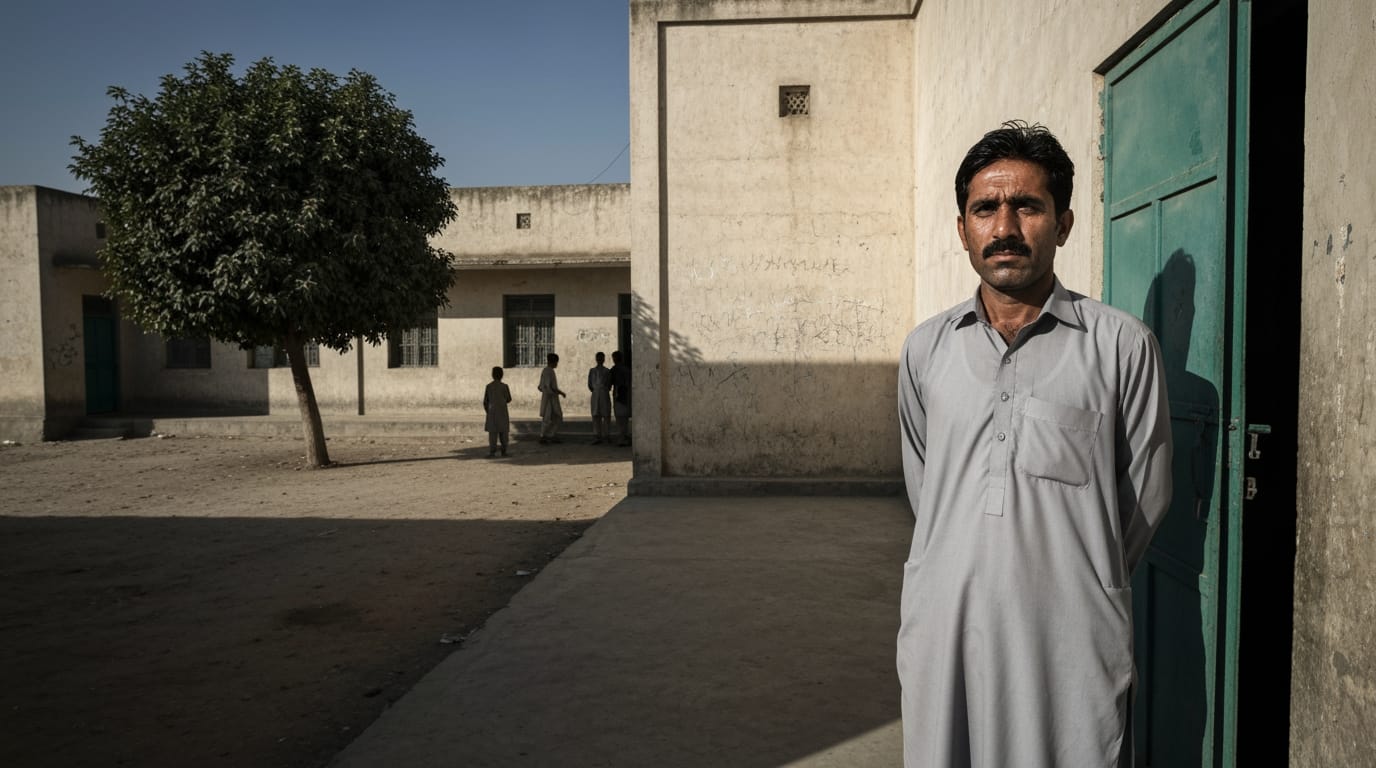
Islamabad, Pakistan – In a dramatic response to escalating global fuel prices and supply disruptions stemming from an intensifying conflict in the Middle East, Pakistan has announced a comprehensive package of austerity measures, including the closure of schools and significant cuts to government spending. Prime Minister Shehbaz Sharif, addressing the nation, outlined stringent steps designed to mitigate the severe economic impact on the energy-dependent country, which is grappling with soaring import costs.
The measures, announced on Monday, March 9, 2026, include a two-week closure of all schools nationwide, with universities transitioning to online learning. Additionally, half of the public sector workforce, excluding essential services, will shift to remote work, and government offices will operate on a four-day week. These drastic actions underscore the profound shockwaves emanating from the broader Middle East conflict, specifically a "US-Israeli war on Iran," which has severely disrupted global energy markets and choked crucial shipping lanes like the Strait of Hormuz.
Economic Fallout from Regional Instability
Pakistan, a nation heavily reliant on energy imports, finds itself particularly vulnerable to the volatility gripping international oil markets. The ongoing "US-Israeli war on Iran," now in its second week, has triggered a sharp increase in global crude prices, with petrol leaping a record 55 rupees per liter last week, pushing prices above Rs 321 per liter. This surge is attributed to the conflict's impact on major oil-producing regions and critical maritime transit points. Iran's retaliatory actions against US assets in the Gulf and its strategic chokehold on the Strait of Hormuz, through which approximately 20 percent of global petroleum consumption passes, have created an unprecedented energy crisis.
Prime Minister Sharif emphasized the necessity of these "difficult decisions for the country's economy," acknowledging Pakistan's minimal control over war-driven global prices. Qatar and the UAE, which together account for around 99 percent of Pakistan's Liquefied Natural Gas (LNG) imports, have either ceased production or faced export impediments due to the closure of the Strait of Hormuz. The global commodity markets were jolted when they reopened, following weekend escalations where Israel reportedly struck over 30 oil depots in Iran.
Sweeping Austerity Measures Implemented
The newly announced austerity package extends beyond educational and work arrangements, targeting various facets of government expenditure. Government spending will be scaled back by 20 percent for the next two months. Fuel allowances for official vehicles will be halved, and 60 percent of government cars, excluding essential services like buses and ambulances, will be taken off the road.
Further measures include a ban on large purchases such as furniture and air conditioners, and a prohibition on non-essential official foreign travel for lawmakers. Members of the federal cabinet will forgo their salaries for the next two months, and parliamentarians will see a 25 percent reduction in their wages. Official Iftars for Ramadan and other government dinners and parties have also been banned as part of the expenditure reduction drive.
Broader Regional Context and Pakistan's Stance
While the immediate crisis is driven by the broader Middle East conflict, Pakistan's geopolitical position adds layers of complexity. The country has condemned both the "US-Israeli attacks on Iran" and the Islamic Republic's retaliatory actions in the Gulf, with Prime Minister Sharif offering to mediate an end to the rapidly escalating conflict.
This energy crisis unfolds against a backdrop of existing regional challenges for Pakistan. The nation has recently been engaged in air strikes along its border with Afghanistan against militants. Furthermore, a past exchange of fire with India, both nuclear powers, highlighted the region's inherent sensitivities. Pakistan also has a mutual defense pact with Saudi Arabia, signed in September, which obligates a response to aggression against either country, further entangling Islamabad in the intricate regional power dynamics.
Looking Ahead
The comprehensive austerity measures represent a critical attempt by Pakistan to navigate the economic turbulence unleashed by the escalating Middle East conflict. The closure of schools and the imposition of remote work policies highlight the immediate and direct impact on daily life, while the cuts to government spending signal a long-term commitment to fiscal prudence in uncertain times. As the global energy markets remain volatile, and the regional conflict shows few signs of abating, the effectiveness of these measures in stabilizing Pakistan's economy will be closely watched. The situation also underscores the interconnectedness of global economics and geopolitics, where conflicts in one region can trigger profound consequences across continents.


