Ceuta Declares Emergency Amid New Migrant Surge, Calls for National Response
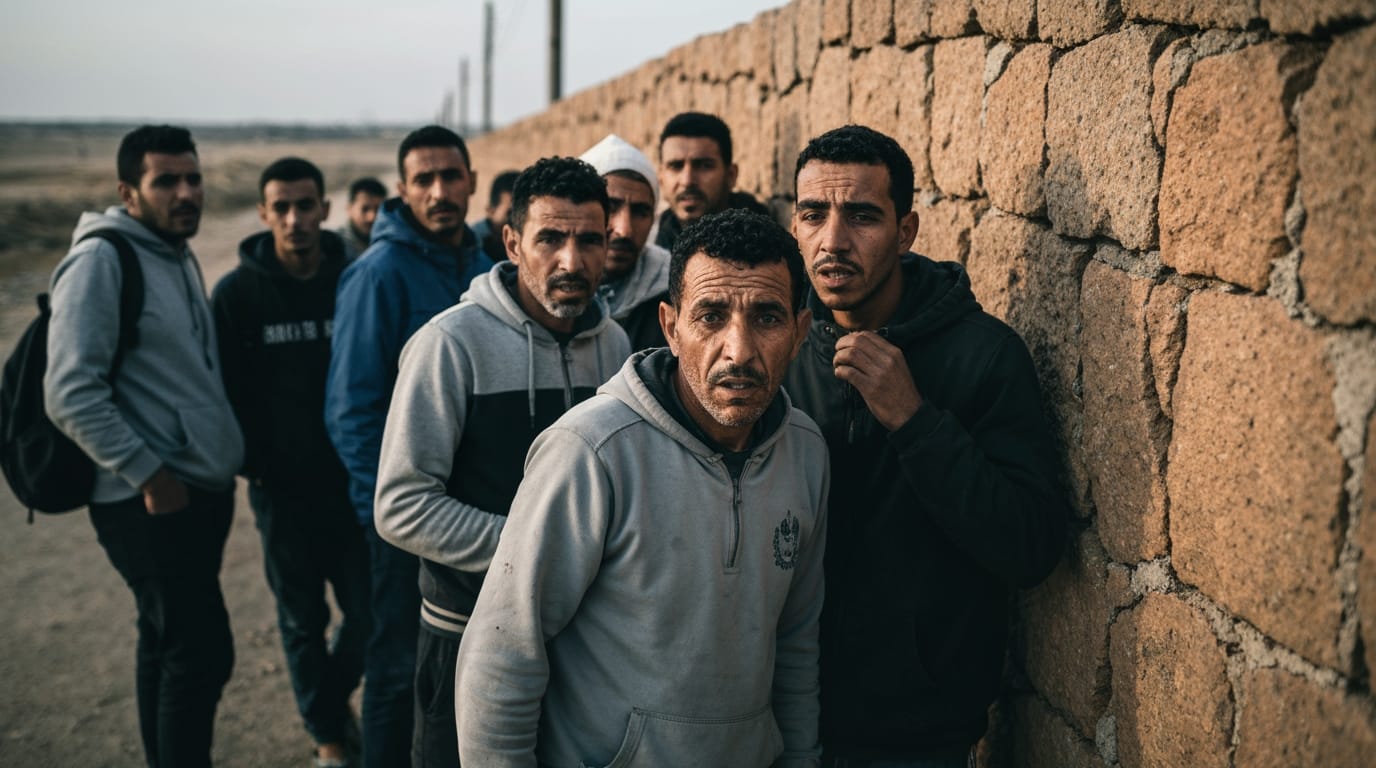
Ceuta, Spain – Spain's North African enclave of Ceuta is grappling with an escalating humanitarian and security crisis after thousands of migrants streamed into the small territory from neighboring Morocco over the past week, prompting local authorities to declare an emergency. The unprecedented influx has overwhelmed the city's limited reception facilities, leaving hundreds without shelter and igniting urgent calls for Madrid to implement a "national emergency" and deploy military support. This latest surge, which has seen individuals swimming around maritime borders and crossing by land, echoes a similar large-scale crisis in May 2021, underscoring the persistent challenges at Europe's southern frontier.
A City Overwhelmed: The Latest Influx
The autonomous city of Ceuta, with a population of approximately 85,000, has been pushed to its breaking point by the recent wave of arrivals. More than 1,500 migrants, including adults and a significant number of minors, reached the enclave by swimming from Morocco over the past week, with daily arrivals averaging around 300 people. The leader of Ceuta, Juan Jesús Vivas, described the situation as an "absolute humanitarian and social emergency," emphasizing that the city's temporary migrant reception center (CETI) and facilities for unaccompanied minors are operating at drastically over capacity. The CETI, designed for 512 people, was accommodating over 700, while facilities for unaccompanied minors were reportedly at 2,400 percent of their intended capacity, forcing hundreds to sleep outdoors.
The sheer volume of people has stretched emergency services and humanitarian organizations thin. Many arriving migrants are exhausted, suffering from hypothermia, dehydration, or minor injuries after the perilous journey across the water. Videos captured at Tarajal beach depicted crowds, predominantly young Moroccans, navigating breakwaters and running onto the shore. Reports also indicate that the influx began by sea but eventually overwhelmed all checkpoints, leading to migrants entering by land as well. This intense pressure has led Ceuta officials to appeal directly to the Spanish central government for increased security resources, military intervention, and a reform of immigration legislation.
Echoes of 2021: A Recurring Crisis
The current events in Ceuta bear a striking resemblance to the May 2021 migration crisis, when more than 8,000 people, including approximately 1,500 minors, crossed into the enclave in just two days. That crisis, which also involved migrants swimming around border defenses and overwhelming local services, was largely attributed to a deterioration in diplomatic relations between Morocco and Spain. At the time, Morocco was accused of relaxing its border controls in response to Spain's decision to provide medical treatment to Brahim Ghali, the leader of the Polisario Front, a Western Sahara independence movement, who was hospitalized in Spain for COVID-19.
The 2021 incident triggered a swift and forceful response from the Spanish government, which deployed army units and reinforced state law enforcement. Prime Minister Pedro Sánchez visited Ceuta and pledged to "restore order" and immediately return irregular migrants, invoking bilateral agreements with Morocco. The European Commission also weighed in, emphasizing Ceuta's status as a European territory. The current situation, with arrivals numbering in the thousands and overwhelming capacity, risks escalating to a scale comparable to the 2021 crisis, as warned by Ceuta's leader, Juan Jesús Vivas.
Diplomatic Undercurrents and Legal Hurdles
The motivations behind these surges often involve complex diplomatic and legal factors. The 2021 crisis highlighted how migration can become an instrument in geopolitical disputes, with allegations that Morocco temporarily eased border controls to exert pressure on Spain. While the Moroccan Embassy in Spain has stated that mass influxes are the work of "criminal gangs" and denied facilitating irregular migration, criticisms from Spanish police unions suggest an "unusual passivity" from Moroccan authorities during some crossings.
Adding to the complexity are recent legal developments in Spain. A Spanish Supreme Court ruling earlier this month restricted the immediate return to Morocco of migrants intercepted while attempting to enter Ceuta or Melilla by sea. The court ruled that "hot return" procedures applied to land border crossings, but not automatically to swimmers, who are entitled to procedural safeguards under immigration law. Ceuta officials, including government spokesperson Alejandro Ramírez, have suggested that this ruling may act as a "pull factor," inadvertently encouraging more individuals to attempt the dangerous sea crossing. Vivas has called for changes to Spain's immigration framework to address these legal shortcomings.
The Human Cost and International Scrutiny
Beyond the political and diplomatic chess game, the human cost of these migration attempts is profound. The crossings are inherently dangerous, and Vivas has noted that 60 bodies have been recovered from the waters around Ceuta in recent months, highlighting the tragic risks involved. Many migrants arrive in critical condition, requiring immediate medical attention and humanitarian aid. The significant presence of unaccompanied minors further exacerbates the humanitarian challenge, as Spanish law dictates that these children must be taken into care, placing immense strain on already stretched social services.
The situation in Ceuta underscores the broader challenges faced by the European Union at its external borders. As one of the EU's only land borders with Africa, Ceuta, along with Melilla, periodically experiences surges in attempted crossings by those seeking to reach Europe. While the European Union often regards these events as bilateral issues between Spain and Morocco, they inevitably become a European concern, drawing international attention to the complex interplay of migration pressures, humanitarian obligations, and geopolitical tensions.
A Persistent Challenge for Europe's Southern Flank
The latest crisis in Ceuta is a stark reminder of the persistent and multifaceted challenges at the border between Africa and Europe. The desperate circumstances driving individuals to undertake perilous journeys, combined with complex diplomatic relations and evolving legal frameworks, create a volatile and unpredictable environment. Ceuta's urgent plea for a national emergency declaration highlights the immediate need for a coordinated and robust response from the Spanish central government, involving not only security measures but also enhanced humanitarian aid and a re-evaluation of migration policies. As the city struggles to cope with the overwhelming influx, the international community watches, recognizing that the fate of Ceuta's borders is intrinsically linked to the broader European migration narrative.


