Ceuta Leader Reports Staggering Death Toll in Border Rush, Thousands Remain Stranded
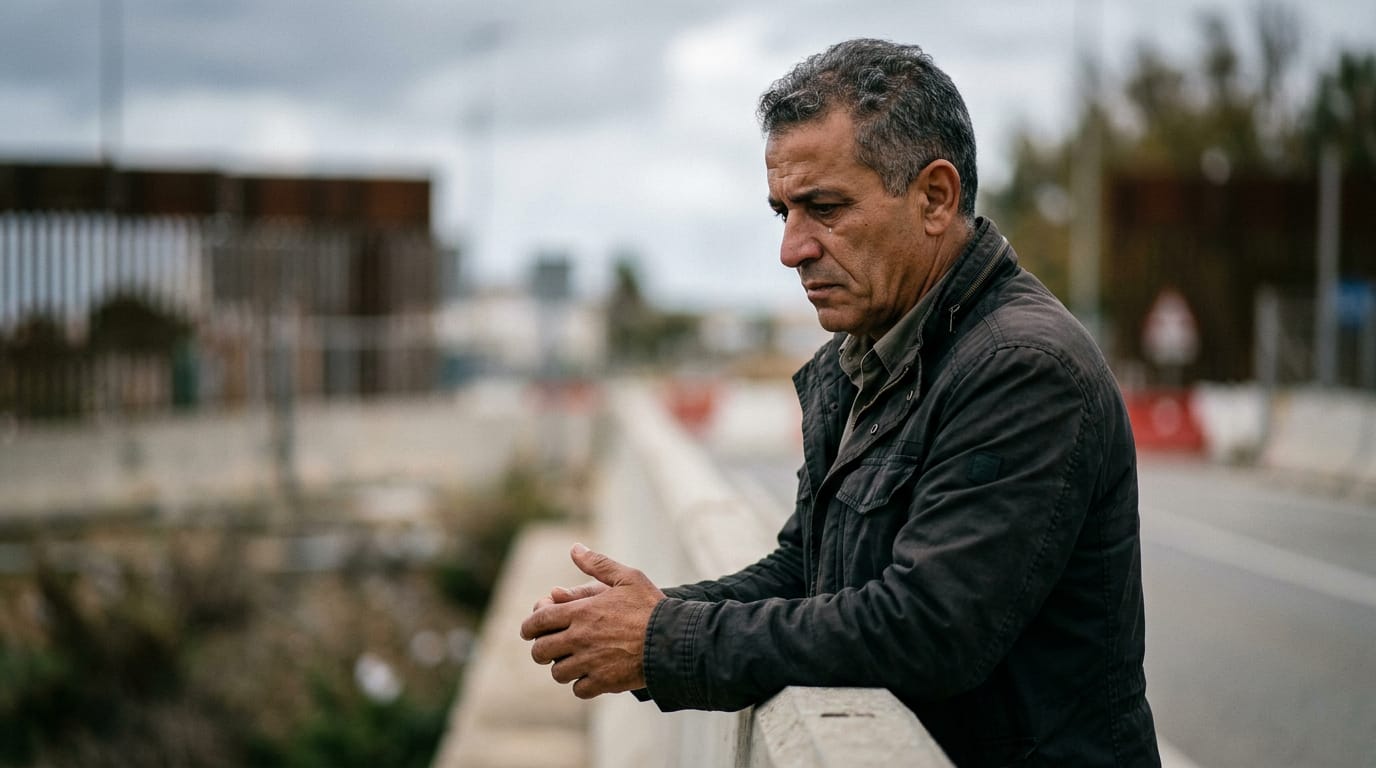
Ceuta, Spain – The leader of the Spanish enclave of Ceuta, Juan Jesus Vivas, announced a grim toll this week, revealing that approximately 100 migrants died during a massive border rush into the territory last week. The devastating incident has cast a stark light on the perilous journeys undertaken by those seeking entry into Europe, as thousands more migrants remain in the North African city, straining resources and demanding urgent attention from international bodies.
The Deadly Surge at Europe's Edge
During a meeting with EU parliamentarians on Thursday, Ceuta's regional leader, Juan Jesus Vivas, delivered the harrowing update, stating that around 100 individuals perished in the attempt to breach the border into the Spanish enclave. This figure, while still subject to independent verification which has cited at least 57-60 confirmed deaths, marks one of the deadliest single incidents in the ongoing migrant crisis at Europe's southern frontier. The surge occurred last week, overwhelming border defenses as a massive wave of people, estimated by some reports to be between 50,000 and 60,000 individuals in a single day, attempted to cross into Ceuta. This unprecedented influx was reportedly fueled by viral rumors that the border had been opened, creating a desperate rush for entry. The immediate aftermath has left between 3,000 and 5,000 migrants still within Ceuta, presenting an immense humanitarian and logistical challenge for the small Spanish city.
Ceuta: A Geopolitical Chokepoint
Ceuta, along with its sister city Melilla, represents Europe's only land borders with Africa, making them frequent flashpoints in the continent's migration patterns. These enclaves, historically and strategically significant, are viewed by many migrants as a gateway to a better life in Europe, away from economic hardship, conflict, or persecution in their home countries. The high fences and robust border controls that typically define these borders are a testament to the persistent pressure from migration flows. The recent events underscore the inherent dangers and often fatal consequences of attempting to circumvent these heavily guarded perimeters. The geopolitical dynamic between Spain and Morocco, which surrounds Ceuta, often plays a critical role in managing these migration flows, with fluctuations in diplomatic relations sometimes correlating with shifts in border control effectiveness. The Spanish government maintains that its primary responsibility is to secure its borders while upholding humanitarian principles, a balance often difficult to achieve under such immense pressure.
A Growing Humanitarian Crisis and Calls for Aid
The presence of thousands of migrants within Ceuta following the rush has created an immediate and severe humanitarian crisis. With between 3,000 and 5,000 individuals remaining in the enclave, Ceuta's reception capacity has been severely overwhelmed. Local authorities are struggling to provide adequate shelter, food, and medical care for the new arrivals, many of whom are vulnerable, including unaccompanied minors. Juan Jesus Vivas has repeatedly appealed for emergency aid from both the national Spanish government and the European Union to manage the ongoing situation. The sheer scale of the influx and the subsequent stranded population highlight a desperate need for coordinated humanitarian efforts and long-term solutions. Aid organizations on the ground are working tirelessly, but the resources are stretched thin in the face of such overwhelming demand. The situation demands a rapid and comprehensive response to prevent further suffering and ensure the basic human rights of those stranded are met.
The Broader Context of Desperation and Hope
The latest tragedy in Ceuta is a stark reminder of the broader forces driving migration across the globe. Economic disparities, political instability, and the impact of climate change in various regions continue to push individuals and families to embark on dangerous journeys in search of safety and opportunity. The role of misinformation, such as the viral rumors of an open border that preceded the recent rush, also underscores the vulnerability of migrants to false hope and the critical need for accurate information. The incident in Ceuta is not an isolated event but rather part of a larger, complex narrative of human mobility that challenges international policies and humanitarian responses. These desperate attempts at border crossings, often resulting in tragic loss of life, highlight the urgent need for safe and legal pathways for migration, as well as addressing the root causes that compel people to leave their homes.
Unanswered Questions and Lingering Challenges
The somber announcement from Ceuta's leader underscores the profound human cost of the ongoing migration crisis. The reported deaths of approximately 100 migrants in a single border rush serve as a powerful and tragic testament to the extreme risks individuals are willing to take for the promise of a different future. As thousands remain in Ceuta, the immediate challenge is to provide humanitarian assistance and manage the overwhelmed infrastructure. Beyond the immediate crisis, the incident reignites pressing questions about border management, international cooperation between Spain, Morocco, and the European Union, and the ethical responsibilities towards those seeking refuge and opportunity. The path forward remains fraught with challenges, demanding a delicate balance between national security, regional stability, and the fundamental imperative of protecting human lives.


