Chancellor Merz Announces Sweeping Cabinet Reshuffle Amid Political Turmoil
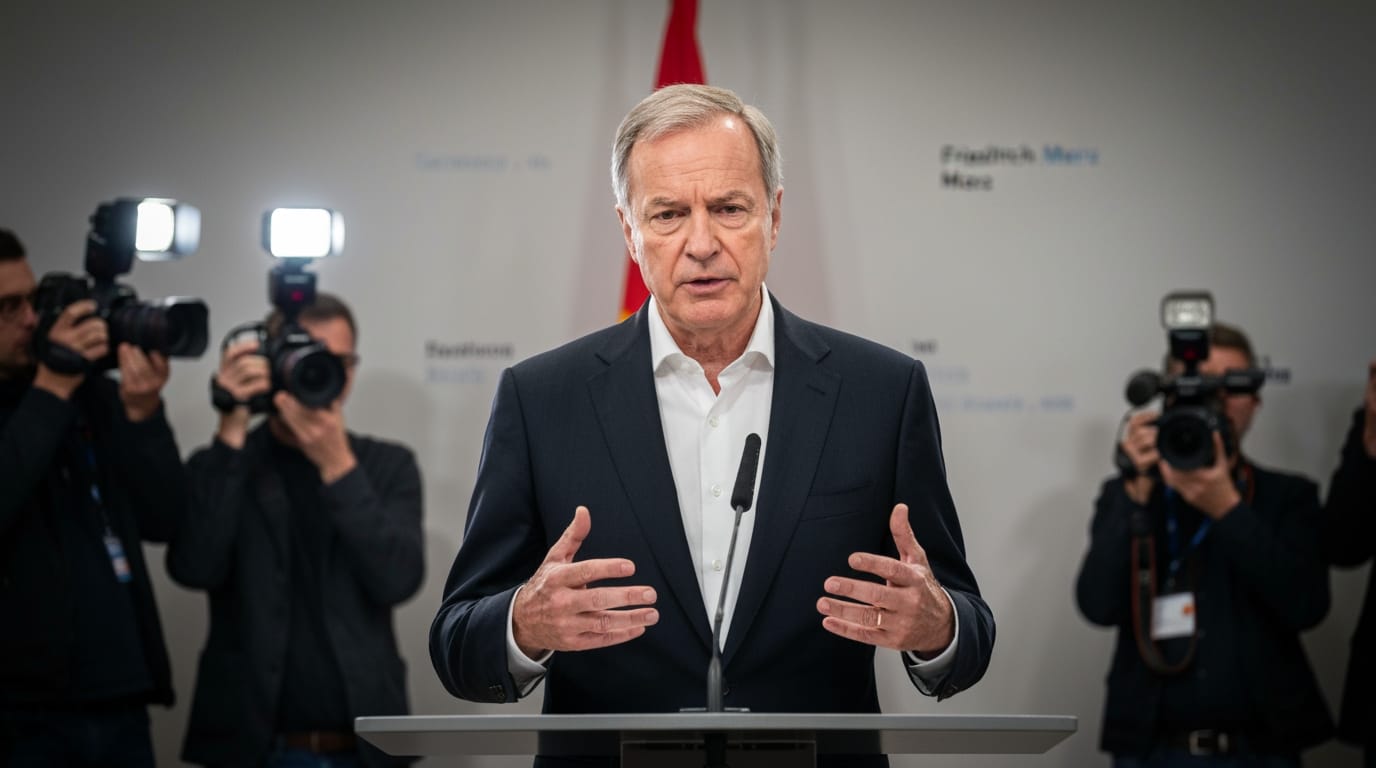
BERLIN – German Chancellor Friedrich Merz is set to unveil a significant cabinet reshuffle today, a move triggered by the abrupt resignation of a key party figure and aimed at invigorating his government amidst mounting political pressures and economic challenges. The changes, anticipated to be announced on Friday, July 24, 2026, signal a critical juncture for Merz's administration as it seeks to regain public confidence and solidify its policy agenda.
The reshuffle follows the unexpected departure of Jens Spahn, a prominent figure within the Christian Democratic Union (CDU) and the CDU/CSU parliamentary leader, whose resignation over a surrogacy controversy created a sudden vacancy within the government's ranks. Chancellor Merz, who took office less than 15 months ago, has framed this development as a timely "opportunity to reconsider the composition of the federal government," aiming to refresh his team and bolster leadership after what has been described as a "rocky first year".
The Catalyst: Spahn's Departure and Ethical Quandaries
Jens Spahn's resignation on Saturday, July 18, sent ripples through Berlin's political landscape, providing the immediate impetus for the governmental shake-up. Spahn, a former rival to Merz for party leadership and a significant voice within the CDU, stepped down from his role as parliamentary leader after reports surfaced that he and his husband had a baby born via a surrogate mother in the United States. This action directly contravened the CDU's official stance against surrogacy, drawing sharp criticism from within the party and from political opponents, particularly on the left and within the Green party. While Chancellor Merz acknowledged the criticism surrounding Spahn was "probably also related to him as a person and the way it was communicated," the incident created an untenable position for Spahn and opened the door for broader governmental adjustments.
The timing of Spahn's exit allowed Merz to leverage the situation, transforming a potential crisis into a strategic opportunity for renewal. Prior to the official announcement, Merz hinted at his intentions on Sunday, July 19, suggesting to broadcaster ZDF that the vacancy could lead to a re-evaluation of the entire cabinet's structure. This indicated that the reshuffle would extend beyond merely filling Spahn's shoes, setting the stage for a more comprehensive overhaul.
A New Configuration: Key Appointments and Strategic Realignments
The anticipated changes are far-reaching, affecting several critical positions within the Chancellery and key ministries. At the forefront of the new appointments is Thorsten Frei, a long-standing confidant of Chancellor Merz, who is expected to succeed Jens Spahn as the head of the powerful CDU/CSU parliamentary faction. Frei's move from his previous role as head of Merz's Chancellery places a trusted ally at the helm of the party's legislative strategy, underscoring Merz's focus on consolidating parliamentary support and policy coordination.
To fill Frei's vacated position as head of the Chancellery, Health Minister Nina Warken is widely expected to step into the crucial role, placing her at the center of government coordination. Warken's appointment is particularly noteworthy given her recent success in navigating a complex financial reform of Germany's statutory health insurance system through parliament, addressing a projected funding gap of 18.8 billion euros. Her demonstrated ability to steer significant legislation and manage intricate policy details likely played a role in her anticipated promotion, signaling Merz's intent to enhance the Chancellery's operational efficiency and policy delivery.
The Health Ministry, in turn, is expected to be taken over by Carsten Linnemann, currently the Secretary General of the CDU. Linnemann's transition from party headquarters to a federal ministerial post indicates Merz's strategy to bring seasoned party leadership directly into the cabinet, potentially streamlining the implementation of health policy reforms. Additionally, CDU lawmaker Philipp Amthor is slated to join the Chancellery as Minister of State for federal government relations with Germany's 16 states, a move designed to strengthen inter-governmental cooperation. Further cementing Merz's control over the party apparatus, Franziska Hoppermann, the current party treasurer, is expected to assume Linnemann's role as CDU General Secretary. These personnel changes reflect a calculated effort by Merz to install a loyal and effective team at the core of his government and party.
Deeper Motivations: Strengthening Governance and Addressing Public Dissatisfaction
Beyond the immediate trigger of Spahn's resignation, the cabinet reshuffle is underpinned by broader political and strategic imperatives. Merz's government has faced considerable scrutiny during its initial period in power, contending with low approval ratings and reports of coordination challenges. The reshuffle is viewed as a decisive attempt to "strengthen leadership and maintain progress on Germany policy reforms".
Merz campaigned on a platform of revitalizing Germany's economic competitiveness, reducing bureaucracy, encouraging private investment, and modernizing public administration. These reforms remain central to his government's agenda, especially as Europe grapples with slower economic growth and geopolitical uncertainties. Political analysts suggest that such cabinet changes are often employed to enhance coordination among ministries and improve policy implementation without altering the government's fundamental direction. By bringing in new faces and reassigning experienced hands, Merz aims to project an image of a dynamic and responsive government capable of tackling Germany's pressing issues.
Navigating Challenges: Economic Headwinds and the Far-Right's Advance
The reshuffle comes at a particularly challenging time for German politics. Merz's government is facing significant headwinds, including the ongoing struggle with economic stagnation and the imperative to address a substantial funding gap in public services, exemplified by the health insurance reform. The need for administrative modernization and reduced bureaucracy remains paramount to stimulate growth and improve public services.
Furthermore, the political landscape is complicated by the looming regional elections, where far-right parties have shown increasing strength, with the potential to secure their first state governorship. This backdrop of rising populist sentiment places additional pressure on Merz to demonstrate effective governance and a unified front. The reshuffle is a clear signal that the Chancellor is acutely aware of these challenges and is actively seeking to consolidate his power and enhance his government's capacity to deliver tangible results.
Conclusion: A Bid for Stability and Renewed Momentum
Chancellor Friedrich Merz's anticipated cabinet reshuffle represents a pivotal moment for his administration. Born out of the necessity to address a high-profile resignation, it has evolved into a comprehensive strategy to inject new energy, improve coordination, and reinforce the government's commitment to its reform agenda. By strategically placing trusted allies and experienced policymakers in key roles, Merz aims to stabilize his government, counter weak public approval, and prepare for critical upcoming elections. The coming months will reveal whether this bold reorganization can provide the necessary momentum for Merz to navigate Germany through its current economic and political complexities, securing his legacy and charting a clear course for the nation's future.