Chancellor Merz Completes Cabinet Reshuffle Amidst Turmoil and Economic Headwinds
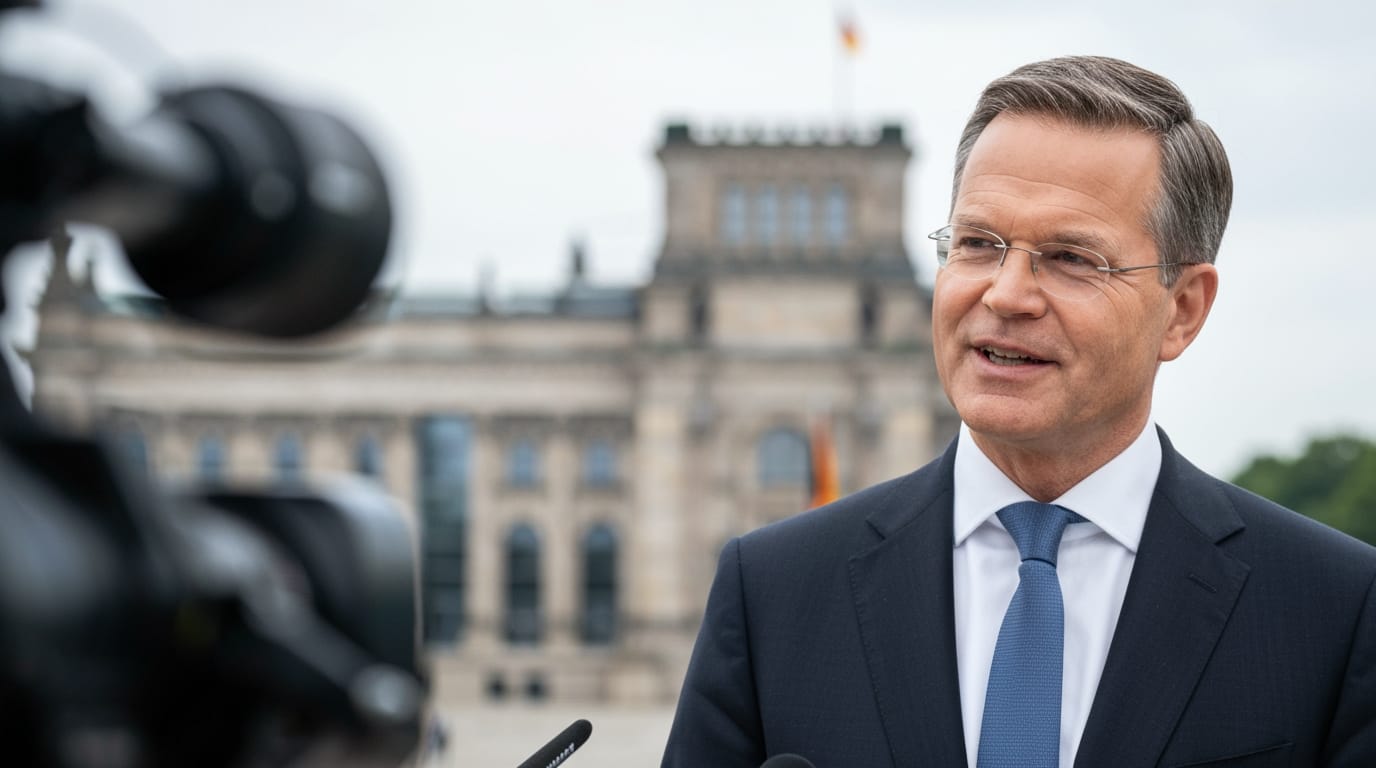
BERLIN – German Chancellor Friedrich Merz has concluded a multi-day cabinet reshuffle, a move intended to invigorate his government but marked by internal discord and public criticism. The shake-up, finalized on Monday with the appointment of a new transport minister, follows the controversial resignation of a senior party figure and arrives as Merz’s administration grapples with declining popularity, economic stagnation, and the looming threat of the far-right. The changes, which saw key shifts in the Chancellery, Health, and Transport ministries, underscore the intense political pressure on Merz to demonstrate competence and deliver results ahead of crucial regional elections.
The impetus for the cabinet changes arose from the resignation of Jens Spahn, a prominent figure and chairman of the CDU parliamentary group, last week. Spahn stepped down amid a controversy surrounding his decision to have a child via surrogacy in the United States, a practice that is illegal in Germany and vehemently opposed by Merz’s conservative Christian Democratic Union (CDU) party. His departure created a significant vacancy and provided Chancellor Merz an opportunity to reconfigure his leadership team. On Friday, July 24th, Merz initiated the reshuffle by announcing several key appointments. Thorsten Frei, previously Merz’s Chief of Staff at the Chancellery, was tapped to succeed Spahn as the leader of the CDU/CSU parliamentary group. In a historic move, Health Minister Nina Warken was appointed to replace Frei as Chief of Staff at the Chancellery and Minister for Special Tasks, making her the first woman to hold this pivotal position. Carsten Linnemann, previously the CDU General Secretary, took over Warken's former role as Health Minister. Merz also brought Philipp Amthor into the Chancellery as the new Minister of State for Federal-State Relations.
However, the reshuffle was not without its complications, particularly concerning the Transport Ministry. Reports emerged last week that Merz intended to replace Transport Minister Patrick Schnieder, who had faced months of criticism regarding his perceived ineffectiveness in improving Germany's ailing rail infrastructure. Despite Germany's significant investment in infrastructure, funded by hundreds of billions in borrowed euros, public frustration over the slow pace of modernization has mounted. The situation became "chaotic" when Merz's preferred successor for Schnieder, CDU lawmaker Fritz Güntzler, reportedly withdrew at the last minute. This left Schnieder in an "undignified situation," prompting him to formally request his release from the position on Sunday. On Monday, Merz completed this aspect of the reshuffle, announcing Steffen Bilger, a 47-year-old CDU member and former Parliamentary State Secretary in the Transport Ministry, as the new Transport Minister. Merz expressed regret for the awkwardness of Schnieder's dismissal, stating he was "sorry for the situation that resulted." Bilger's appointment is seen as an effort to bring experienced leadership to a critical portfolio, with Merz emphasizing the need for "swift implementation" of infrastructure projects to justify the considerable public borrowing.
The broader context for Merz's reshuffle paints a picture of a government under immense pressure. Less than 15 months into his chancellorship, Merz's approval ratings have plummeted to "rock-bottom levels," with only 14% of the public reportedly satisfied with his leadership. The German economy, Europe's largest, has struggled to shake off years of stagnation, contributing to widespread public discontent over inflation and living costs. This economic anxiety, coupled with social unease, has fueled a significant rise in support for the far-right Alternative for Germany (AfD) party. With crucial regional elections slated for September in three eastern states, where the AfD is positioned to potentially win its first state governorship, Merz is desperate to generate new momentum and counter the far-right's advance. The reshuffle is thus a strategic attempt to project a "clear line" and revitalize a "reform government" that can "work with great vigor."
Reactions to the reshuffle have been varied. Environmental organizations, including Greenpeace and Pro Rail Alliance, welcomed the change at the Transport Ministry, viewing Bilger's appointment as an "opportunity for a change of course" in climate policy and a chance to improve Germany's beleaguered railway system. They underscored the urgent need for a fresh start in a sector crucial for emissions reduction. Conversely, the opposition, particularly AfD co-leader Alice Weidel, seized on the perceived disarray, accusing Merz of causing "yet more chaos" and calling for new elections. Internally, some of Merz's own party members reportedly criticized the reshuffle as "chaotic," particularly the handling of Schnieder's departure, suggesting it undermined Merz's leadership efforts. Political analysts have also cautioned that merely changing faces at the top may not be sufficient to address the deep-seated economic and social issues driving voter discontent.
Chancellor Merz's cabinet reshuffle represents a critical juncture for his government. While it addresses immediate vacancies and attempts to project renewed energy, the underlying challenges of economic performance, public dissatisfaction, and the rise of the far-right persist. The strategic placements of experienced figures like Nina Warken in the Chancellery and Steffen Bilger in Transport are calculated moves to stabilize the government and push forward its reform agenda. However, the chaotic elements surrounding the Transport Ministry transition highlight ongoing internal struggles. As Germany heads towards key regional elections, the success of Merz’s revamped cabinet will hinge on its ability to translate these personnel changes into tangible improvements and demonstrate effective governance, thereby proving that this reshuffle was more than just an attempt to rearrange the deck chairs on a troubled ship.


