Chancellor Merz's Syrian Repatriation Stance Ignites Fierce National Debate
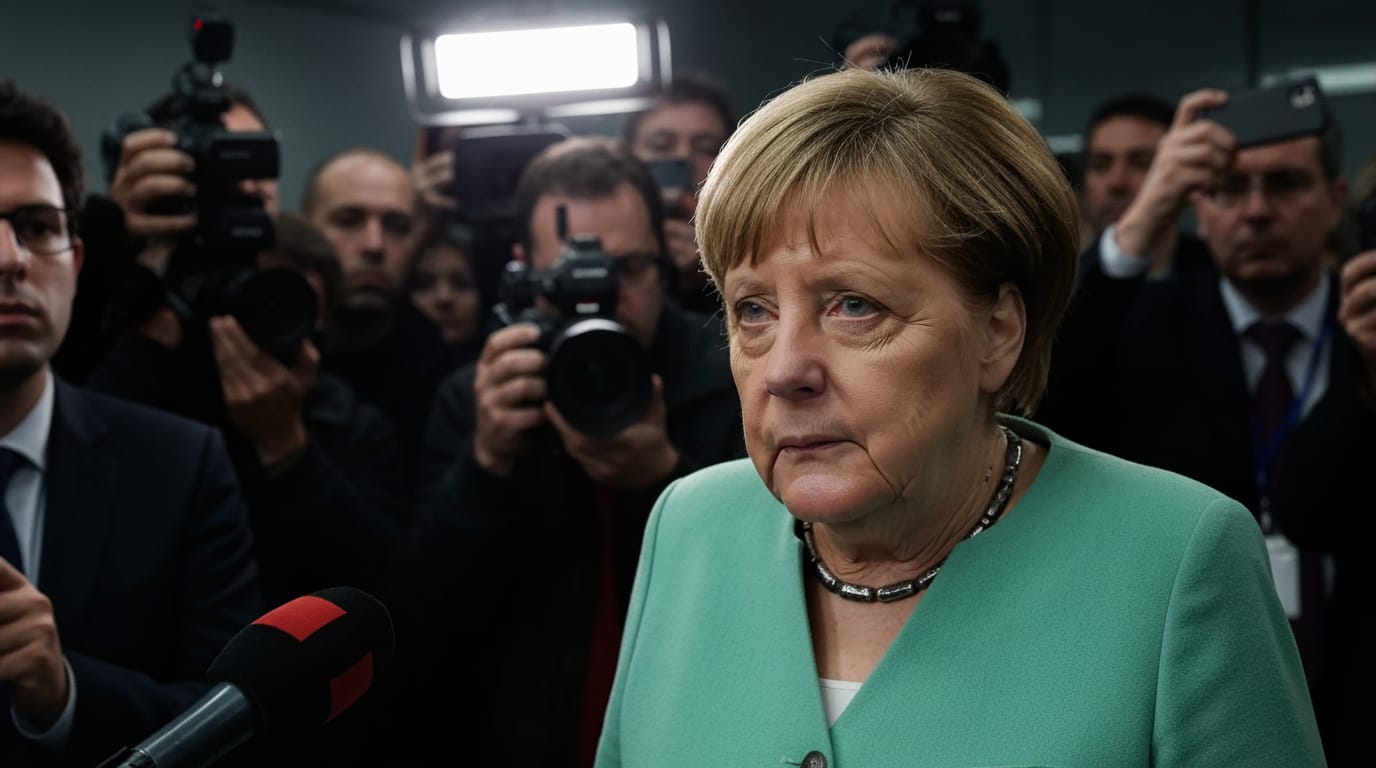
BERLIN – German Chancellor Friedrich Merz has triggered a wide-ranging political and social uproar across Germany with recent declarations regarding the repatriation of Syrian refugees. Citing the end of Syria's civil war, Merz asserted that the foundational reasons for asylum no longer exist for the roughly one million Syrians residing in Germany, suggesting a significant portion should return to their homeland for reconstruction efforts or face deportation. This hardline stance, articulated in late 2025 and early 2026, has drawn immediate and potent criticism from political allies and adversaries, economists, and humanitarian organizations, deepening the ongoing national discourse on migration and integration.
The Chancellor's Bold Declaration
Chancellor Merz, who also leads the conservative Christian Democratic Union (CDU), made his initial remarks following the ousting of Bashar al-Assad's government, signaling a profound shift in Germany's approach to Syrian refugees. "There are now no longer any grounds for asylum in Germany, and therefore we can also begin with repatriations," Merz stated in November 2025. He articulated an expectation that many of the Syrians who arrived in Germany, primarily during the 2015-2016 influx, would voluntarily return. This sentiment was amplified in March 2026, when Merz announced a "comprehensive reassessment" of the protection status for approximately one million Syrians, proposing a "circular migration partnership" that could see up to 800,000 individuals offered support packages to relocate. During a joint press conference with Syrian President Ahmed al-Sharaa, whom Merz invited to Germany to discuss repatriation, the Chancellor referenced a figure of 80% of Syrians expected to return within three years, a target he attributed to the Syrian President. Merz emphasized that Syria "needs all its strength, and, above all, Syrians, to rebuild" and reiterated that those who refuse to return could face expulsion. This directive also encompassed discussions with al-Sharaa on the deportation of Syrians with criminal records, an issue that has been a long-standing point of debate within Germany.
A Chorus of Condemnation
The Chancellor's remarks swiftly ignited a torrent of criticism, highlighting deep divisions within the German political landscape and broader society. Notably, German Foreign Minister Johann Wadephul, a fellow CDU member, openly contradicted Merz's optimistic assessment of return possibilities. After a visit to Damascus, Wadephul expressed significant doubt that many Syrians could return, citing the extensive destruction and ongoing instability that rendered a dignified existence "almost impossible." Wadephul's empathetic comments reportedly caused a "storm of indignation" within the CDU, with some party colleagues demanding his resignation for diverging from the party's hardline stance.
Beyond the internal party friction, economists sounded alarms over the potential economic repercussions of mass repatriations. Business groups, including the Association of German Chambers of Commerce and Industry (DIHK), warned that Syrian nationals have filled critical labor gaps in sectors such as construction, healthcare, and logistics. A large-scale departure could exacerbate existing labor shortages, necessitating accelerated recruitment from other countries. Opposition parties and even some within the CDU itself criticized Merz's 80% target as "precipitous and unrealistic," arguing it would damage integration efforts and cause significant anxiety among hundreds of thousands of Syrian-Germans. Green Party Member of Parliament Luise Amtsberg called Merz's remarks "shameful," emphasizing that many refugees have become integrated members of society, working in shortage occupations and contributing to their communities. Critics also highlighted the fragile security situation in Syria, asserting that ignoring it for political expediency was irresponsible.
Shifting Sands of German Migration Policy
Merz's current position represents a notable departure from Germany's "Willkommenskultur" of 2015-2016, championed by former Chancellor Angela Merkel, which saw Germany welcome the largest share of refugees within the European Union, particularly from war-torn Syria. Historically, Germany's refugee policy has been shaped by both humanitarian concerns and legal obligations under national and international law, including the 1951 Refugee Convention. However, public sentiment towards migration has hardened in recent years, fueled by concerns over integration and security, and amplified by the surging popularity of the far-right Alternative for Germany (AfD) party.
The AfD's calls for "remigration" have put increasing pressure on mainstream parties, including the CDU, to adopt tougher migration policies. Merz himself has a history of advocating for a stricter approach to migration, distinguishing his vision from Merkel's more open policies. The Chancellor's reassessment plan includes provisions to exempt "well-integrated Syrians"—defined by steady employment, language proficiency, and no criminal record—allowing them to remain or obtain long-term residency. Nevertheless, the timing of Merz's pronouncements, coinciding with state elections where the AfD is highly competitive, suggests a strategic alignment with growing public demand for a "migration turnaround," as indicated by recent polls.
Implications and the Road Ahead
The fallout from Chancellor Merz's Syrian refugee comments extends beyond immediate political sparring, touching upon Germany's economic stability, social cohesion, and international standing. The explicit call for large-scale repatriations presents complex logistical and legal challenges, requiring careful navigation of international asylum laws and humanitarian principles. While the government aims to increase deportations, particularly for individuals with criminal records, the idea of compelling hundreds of thousands to return to a country still grappling with the aftermath of war is fraught with difficulties.
The debate underscores the enduring tension between humanitarian obligations, integration realities, and political pressures within Germany. As the federal government outlines enforcement guidelines and administrative courts prepare for potential legal challenges, the nation grapples with balancing its historical commitment to human rights with evolving domestic concerns about migration. The conversation will undoubtedly continue to shape Germany's political trajectory and its approach to refugee policy for years to come, influencing future elections and the country's demographic and social landscape. The path forward will require careful consideration of both the human impact of these policies and the practical implications for a society reliant on a diverse workforce.


