Chaos Erupts in Serbian Parliament as Opposition Protests Roil Government
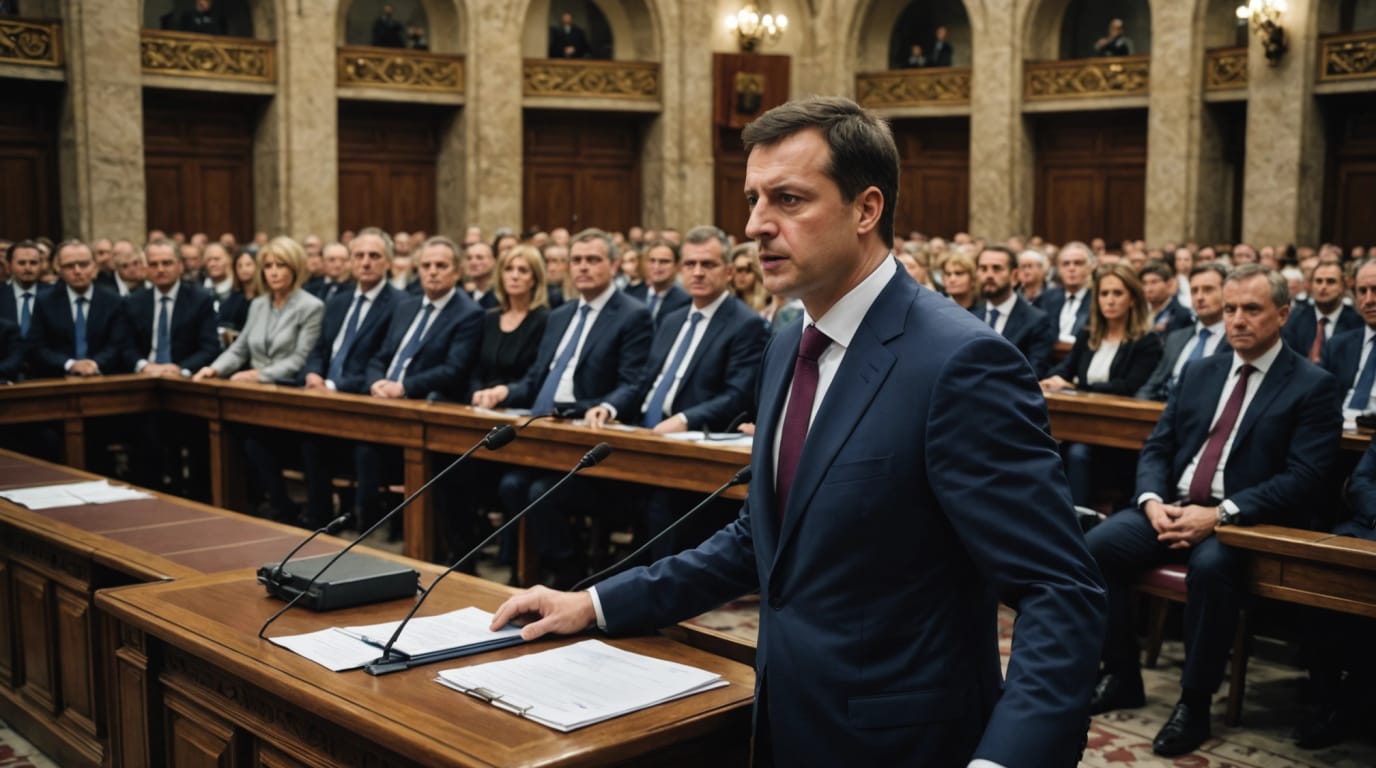
BELGRADE, Serbia – Serbia's parliament descended into turmoil Tuesday as opposition lawmakers set off flares and smoke grenades, disrupting the first spring session and escalating the country's ongoing political crisis. The chaotic scenes, triggered by deep-seated anti-government sentiment and months of protests, have further destabilized the Balkan nation and raised questions about its future political direction.
Smoke and Fury: Opposition Tactics
The disruption began shortly after the parliamentary session commenced, with opposition members igniting flares and throwing smoke canisters onto the assembly floor. The dramatic display was intended to protest the ruling coalition, led by the Serbian Progressive Party (SNS), and to voice support for student-led anti-corruption demonstrations that have been sweeping the country. The opposition has accused the government of corruption, incompetence, and a lack of accountability, particularly in the wake of a deadly incident last year.
Videos circulating online showed lawmakers holding colorful flares and releasing what appeared to be smoke grenades, filling the chamber with smoke. The incident prompted a temporary suspension of the session and a security response to prevent further escalation. Speaker of Parliament Ana Brnabić strongly condemned the opposition's actions, labeling them as a failed "color revolution" and accusing them of endangering the country's stability.
Casualties and Condemnation
The parliamentary chaos resulted in injuries to at least three members of parliament. One lawmaker was rushed to the intensive care unit after suffering a stroke during the commotion. Health Minister Zlatibor Loncar confirmed the incident, highlighting the severity of the situation.
Brnabić accused the opposition of being a "terrorist gang" and questioned their methods of defending students' demands. She insisted that the parliament would proceed with its agenda despite the disruption, vowing that the country would continue to function and progress.
A Nation Divided: Protests and Political Turmoil
The incident in parliament is the latest manifestation of a deep political crisis gripping Serbia. For months, the country has been rocked by anti-corruption protests, sparked by the fatal collapse of a train station roof in November that killed 15 people. Critics have blamed the tragedy on government corruption and negligence, fueling public anger and demands for accountability.
The protests have put increasing pressure on President Aleksandar Vučić and his government, leading to the resignation of several high-ranking officials, including Prime Minister Miloš Vučević in January. The opposition has seized on the public discontent, accusing the government of authoritarian tendencies and demanding greater transparency and rule of law.
Background: Corruption Allegations and Public Discontent
The anti-corruption protests are rooted in long-standing allegations of corruption and state capture that have plagued Serbia for years. Critics accuse the ruling SNS party of using its power to enrich its members and cronies, undermining democratic institutions and stifling dissent. The collapse of the train station roof served as a catalyst for public anger, highlighting what many see as a culture of impunity and disregard for public safety.
Student groups have been at the forefront of the protests, organizing demonstrations and demanding the resignation of government officials implicated in corruption scandals. They have also called for electoral reforms to ensure free and fair elections, accusing the government of manipulating the electoral process to maintain its grip on power.
Uncertain Future: What Lies Ahead for Serbia?
The chaos in parliament and the ongoing protests have created a climate of uncertainty and instability in Serbia. The country faces numerous challenges, including a struggling economy, high levels of corruption, and strained relations with its neighbors. The political crisis has further complicated these challenges, making it difficult for the government to address pressing issues and implement necessary reforms.
President Vučić has announced plans for an "urgent and extensive reconstruction of the government" in response to the protests. However, it remains to be seen whether these changes will be enough to satisfy the demands of the opposition and the public. The opposition has called for early elections, arguing that the current government has lost its legitimacy and no longer represents the will of the people.
The coming weeks and months will be crucial in determining the future direction of Serbia. Whether the country can overcome its political divisions and address its underlying problems remains to be seen. The path forward will require dialogue, compromise, and a commitment to democratic principles from all sides.


