Charli XCX Turns the Lens Inward with 'The Moment,' Deconstructing Pop Stardom's Aftermath
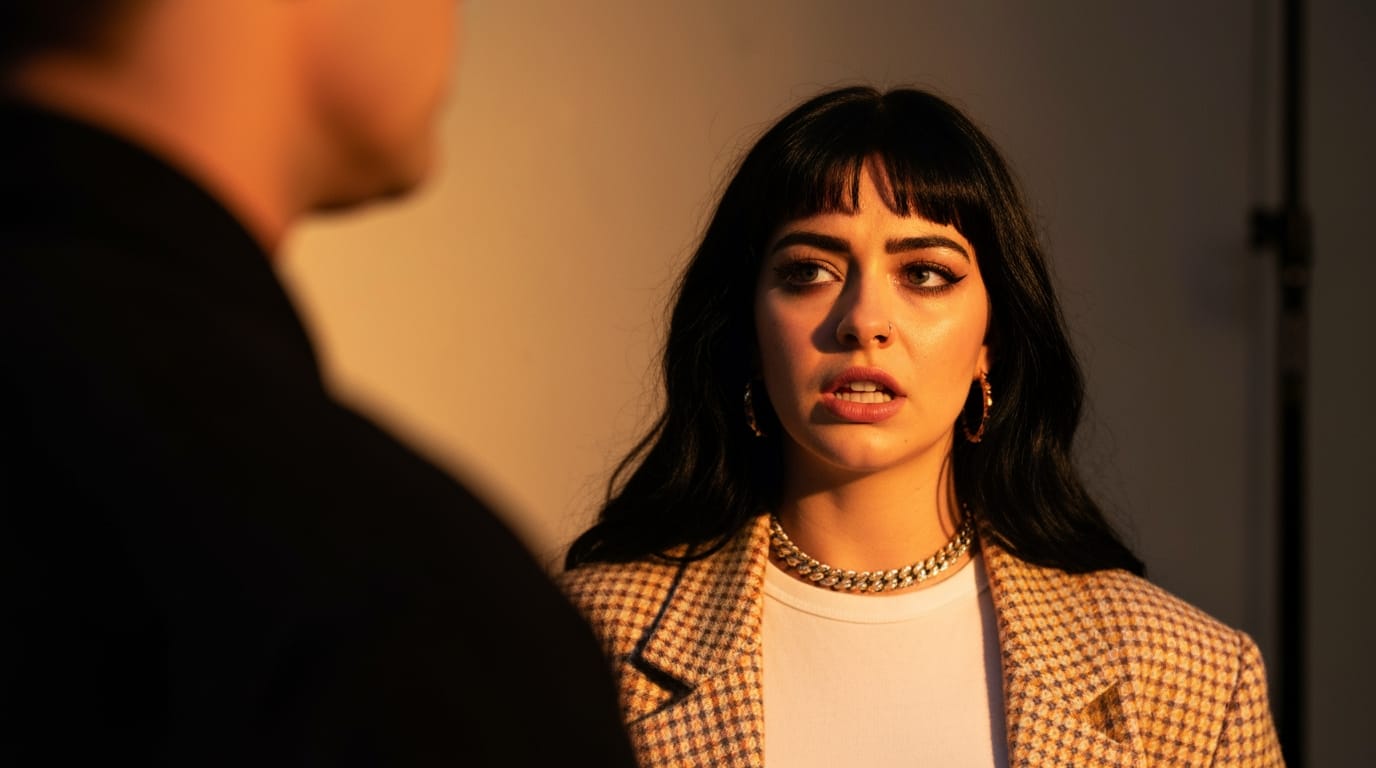
Los Angeles, CA – Pop innovator Charli XCX, fresh off the massive cultural phenomenon known as "Brat Summer," has embarked on a new artistic endeavor, delivering a meta-mockumentary film titled "The Moment." More than just a behind-the-scenes look at her stratospheric rise, the film sees the artist engaging in a deliberate act of self-spoofing, tackling the dizzying implications of widespread fame and the commercialization of art with a raw, often uncomfortable honesty. Far from a straightforward concert film, "The Moment" offers a satirical, albeit at times shallow, reflection on an artist grappling with her own manufactured image and the relentless demands of a ravenous industry.
The Unending Echo of "Brat Summer"
The year 2024 saw Charli XCX's sixth studio album, "Brat," ignite a cultural inferno, culminating in what was widely dubbed "Brat Summer." The album's distinctive slime green aesthetic permeated social media, inspiring viral trends and catapulting the artist into global pop icon status after years of cultivating a "fuck the mainstream" persona. This sudden, all-encompassing ubiquity presented Charli XCX with a unique dilemma: how to navigate the very success she had long sought, now amplified beyond expectation. "The Moment," conceived at the height of this phenomenon, acts as a cinematic bookend, exploring the artist's grappling with the end of this era and the relentless pressure to perpetually maintain her "brat" image. The film's narrative unfolds in the six-month period between "Brat's" release and the commencement of its accompanying tour, depicting Charli XCX as she attempts to transform the tour into the ultimate apex of her viral reign while privately confronting the anxieties of a potential decline.
The Art of Exaggerated Reality: Self-Parody on Screen
In "The Moment," Charli XCX takes on a heightened, fictionalized version of herself, playing a character described as "pitched, volatile and transparently insecure". This self-parody serves as the film's core, presenting an artist who is at once obnoxious, testy, and visibly burnt out, yet also capable of moments of striking vulnerability. The mockumentary chronicles her journey through vapid brand deals and promotional obligations, illustrating the relentless machinery of fame that seeks to wring every last drop of profit from an artist's success. A central conflict arises with the fictional concert film director, Johannes Godwin (portrayed by Alexander Skarsgård), who acts as an antagonist, pushing Charli to alter her image, including her signature green color and even the "brat" identity itself, in an effort to create a more sanitized, commercially viable product.
The film, directed by Aidan Zamiri, a frequent collaborator on Charli XCX's music videos, uses this narrative framework to dissect the tension between an artist's personal vision and corporate mandates. Celebrity cameos, including Rachel Sennott and Kylie Jenner, further populate this exaggerated world, adding layers to the satirical critique of celebrity culture. "The Moment" navigates a delicate balance, oscillating between a genuine passion project and a parody of the very world it inhabits, consistently dancing between these two poles.
When Art Becomes Product: A Deeper Look at Authenticity
Beyond the surface-level spoof, "The Moment" delves into profound questions about artistic ownership and the commodification of identity in the digital age. Charli XCX, through her fictionalized self, grapples with the feeling that her art, once deeply personal, has been co-opted and redefined by public consumption and corporate interests. She expresses the sentiment that her work, "Brat," which she largely created independently, became something entirely new once it was released, with people projecting their own experiences and meanings onto it. The film critically examines how an artist's creative labor can transform into "content," prompting reflection on what is sacrificed when fame dictates artistic direction.
Notably, "The Moment" features surprisingly little music from the "Brat" album, despite its narrative being centered around the album's impact. This deliberate choice underscores the film's focus not on the music itself, but on the experiences and pressures faced by the artist behind it. The subtle score by AG Cook, a frequent Charli XCX collaborator, and the emphasis on sound design over musical tracks, further highlight the film's commentary on how the omnipresence of technology and a focus on "optics" can dilute the creative process. This thematic depth allows "The Moment" to function as a self-interrogation rather than a mere spectacle, a subversive move for a pop star of her stature.
Critical Reception and Enduring Questions
"The Moment" has garnered a mixed critical reception, often appealing most strongly to established fans of Charli XCX who possess a high level of "fan literacy" regarding her career trajectory. Reviewers have praised its self-awareness, chaotic energy, and stylish execution, noting its ability to capture the feeling of an era concluding. Some see it as an "enchanting assault on the eyes" and an honest portrayal of the costs of fame, revealing a relatable side to a superstar.
However, some critics found the satire "defanged" or "shallow," suggesting it struggles to move beyond a basic assessment of an artist's ambivalence towards success. Comparisons to mockumentaries like This is Spinal Tap were made, though some found "The Moment" lacking the same depth of humor or insight, at times feeling "uncharacteristically inert". Despite these critiques, the film's willingness to tackle the complexities of pop stardom through self-parody marks a significant moment in Charli XCX's career, prompting audiences to consider the true cost of artistic success and the blurred lines between persona and person in the glare of the public eye.
In its audacious exploration of an artist wrestling with the very success she engineered, "The Moment" solidifies Charli XCX's reputation as an artist unafraid to challenge conventions and her own image. By turning her creative gaze inward and deconstructing the phenomenon she created, Charli XCX offers a timely, if imperfect, commentary on the contemporary music industry, ultimately asking what happens when a moment, however brilliant, inevitably begins to fade.