The Unintended Consequence: How Tourism's Golden Age Led to the Burden of Overtourism
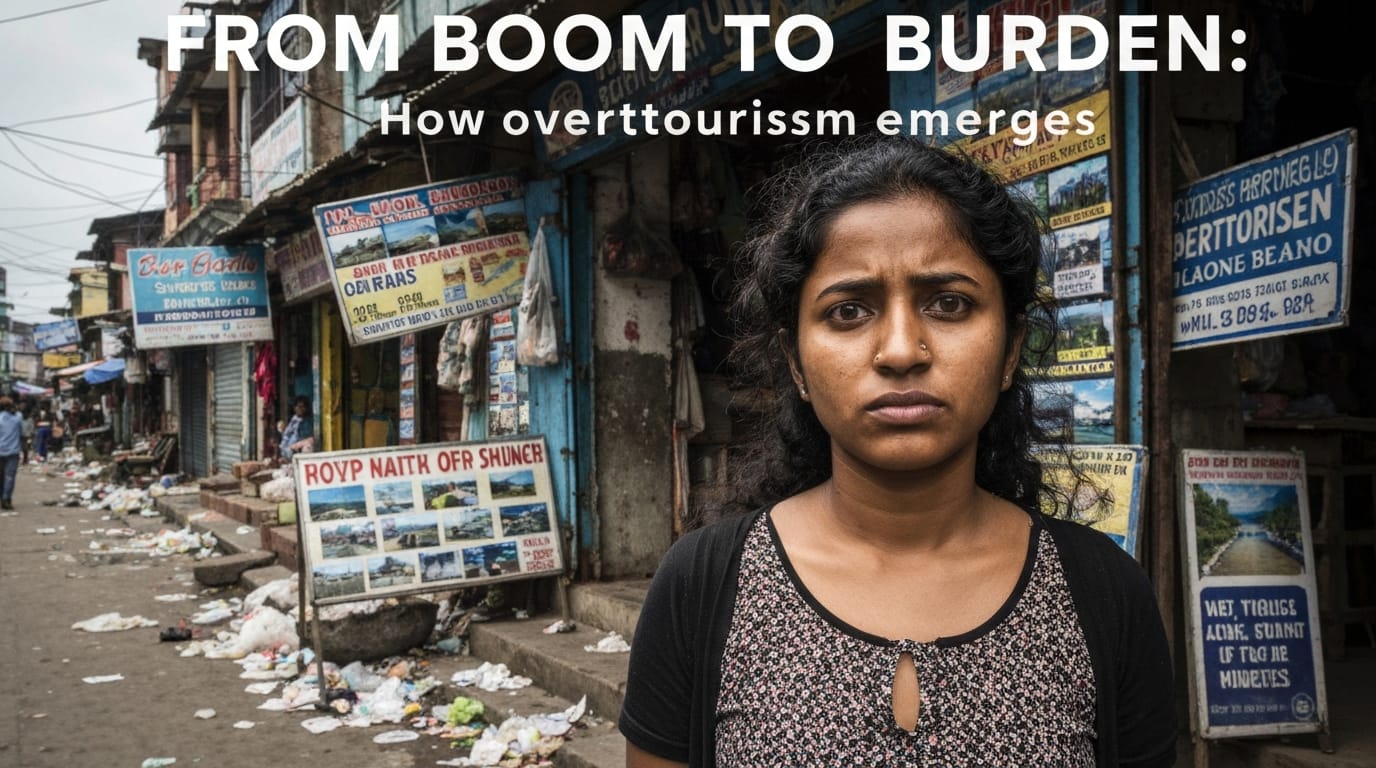
The global tourism industry, once hailed as an engine of economic growth and a bridge for cultural exchange, has in recent decades transformed into a double-edged sword for many of the world's most cherished destinations. What began as a vibrant boom, fueled by accessible travel and burgeoning economies, has steadily escalated into a pervasive burden, giving rise to the critical phenomenon known as overtourism. This complex paradox sees the very success of a destination in attracting visitors erode its environmental integrity, strain its infrastructure, and ultimately diminish the quality of life for its residents, threatening the authenticity that drew travelers in the first place.
The Foundations of a Global Boom
The latter half of the 20th century and the early 21st century ushered in an unprecedented era for global travel. Advances in aviation, notably the rise of budget airlines and expanded flight routes, made international journeys more affordable and accessible than ever before. Simultaneously, the proliferation of online travel agencies and peer-to-peer accommodation platforms democratized booking processes, empowering individuals to craft personalized itineraries with ease. Economic prosperity in many parts of the world also meant a growing middle class with increased disposable income and a desire to explore. Adding to this momentum, the advent of social media transformed travel into a visually driven aspiration, with picturesque locales becoming viral sensations and "bucket list" items, spurring an almost insatiable demand for specific experiences.
This golden age of travel brought substantial benefits. Nations and cities invested heavily in tourism infrastructure, creating millions of jobs directly and indirectly, from hospitality and transport to retail and cultural institutions. Local economies flourished, and destinations often gained international recognition, fostering a sense of pride and renewed interest in their heritage. Historic sites, natural wonders, and vibrant urban centers saw their visitor numbers soar, injecting vital revenue for preservation efforts and community development. The initial phases were characterized by a widespread belief that more tourists unequivocally meant more prosperity and cultural enrichment.
The Tipping Point: When Popularity Becomes a Problem
Yet, the relentless growth, often without adequate planning or foresight, eventually pushed many destinations past a critical threshold. The sheer volume of visitors began to overwhelm the very attributes that made these places desirable. Iconic landmarks, once serene and contemplative, became perpetually congested. Narrow streets in historic centers, designed for local life, were choked with tour groups. Public transportation systems, schools, and healthcare facilities struggled to cope with inflated demand. The term "overtourism" gained currency as local residents, once welcoming, grew increasingly frustrated by the erosion of their daily lives.
Cities like Venice, Italy, faced existential threats from cruise ship emissions and the physical strain of millions of annual visitors on its delicate lagoon ecosystem and ancient infrastructure. Barcelona, Spain, grappled with a housing crisis exacerbated by the proliferation of short-term rental properties, pushing long-term residents out of their neighborhoods. Santorini, Greece, a small volcanic island, saw its picturesque villages inundated, leading to water shortages and traffic gridlock. These individual examples represent a global pattern, where the economic benefits of tourism became increasingly overshadowed by significant environmental and socio-cultural costs.
Erosion of Environment and Culture
The environmental toll of overtourism is profound and multifaceted. Increased foot traffic damages delicate ecosystems and historical pavements. Excessive waste generation strains local sanitation services, often leading to visible pollution. Air and water quality suffer from higher emissions from transport and increased sewage discharge. Natural resources, particularly fresh water, can become scarce as tourist demand outstrips local supply, especially in arid regions or small islands. Marine environments, from coral reefs to coastal habitats, are particularly vulnerable to damage from recreational activities and pollution, threatening biodiversity and the long-term health of these vital ecosystems.
Equally significant are the socio-cultural ramifications. The influx of tourism often leads to gentrification, where rising property values and the conversion of residential units to tourist accommodations price out local families and businesses. Essential services shift to cater to visitors, sometimes diminishing the quality or availability of resources for residents. The unique character and authenticity of a place can be commodified, transforming genuine cultural experiences into manufactured spectacles designed purely for tourist consumption. This loss of local identity, coupled with the daily inconveniences and the perception of being overrun, fosters resentment among residents, leading to "tourist-go-home" sentiments and a breakdown in the once harmonious relationship between hosts and guests.
Towards Sustainable Equilibrium: Strategies for the Future
Recognizing the urgent need to manage visitor flows and mitigate negative impacts, destinations worldwide are now actively seeking strategies to achieve a more sustainable form of tourism. Many cities have implemented tourist taxes, with revenues often earmarked for infrastructure improvements or cultural preservation. Strict regulations on short-term rental platforms are becoming more common, aiming to balance housing availability for residents with tourist accommodation needs. Some sites have introduced reservation systems, timed entry, or daily visitor caps to limit crowds and protect fragile environments.
Efforts are also underway to diversify attractions, promoting lesser-known areas and encouraging off-peak travel to distribute visitors more evenly throughout the year and across regions. Public awareness campaigns aim to educate tourists on responsible travel practices, emphasizing respect for local customs, environments, and communities. Furthermore, there is a growing push for more localized, authentic experiences that empower local businesses and minimize leakages of tourist revenue to international corporations. The aim is not to halt tourism, but to re-calibrate it, ensuring that its benefits are shared widely, its impacts are minimized, and the destinations themselves remain vibrant, authentic, and sustainable for generations to come.
Reimagining Tourism for a Balanced Future
The journey from a tourism boom to the burden of overtourism serves as a stark reminder that even positive developments, when unchecked, can have detrimental consequences. The global challenge now lies in redefining the success of tourism not merely by visitor numbers or revenue, but by its capacity to enhance the well-being of local communities, preserve cultural heritage, and protect the natural environment. Finding this delicate balance requires ongoing collaboration among governments, tourism operators, residents, and travelers themselves. Only through concerted effort and a commitment to responsible stewardship can the world hope to transform the current burden into a sustainable advantage, ensuring that the magic of travel can continue to enrich lives without diminishing the very places it seeks to celebrate.