China and North Korea Rekindle Connections with Relaunched Transit Services, Signifying Deeper Ties
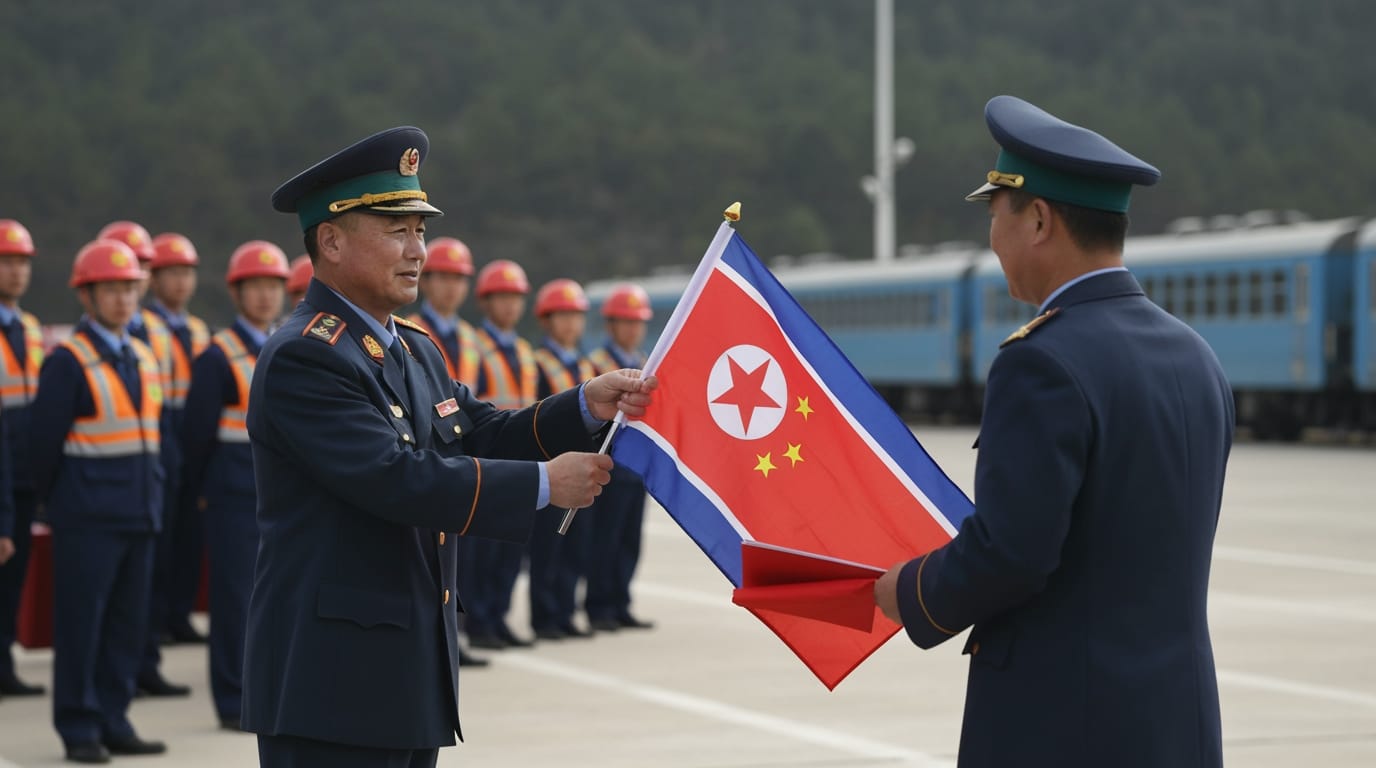
PYONGYANG/BEIJING – Passenger rail services between North Korea and China have resumed for the first time in over six years, signaling a significant warming of relations and an expansion of bilateral cooperation between the two long-standing allies. The resumption of these vital transit links, alongside renewed air travel, marks a pivotal moment after North Korea’s stringent border closures initiated during the COVID-19 pandemic, reflecting both economic imperatives and shifting geopolitical alignments. This move is set to facilitate not only the exchange of goods and people but also to project a message of strengthening solidarity to the international community.
The Gates Reopen: A Return to Connectivity
The centerpiece of this renewed connectivity is the passenger rail service between Pyongyang and Beijing, which recommenced on March 13, 2026, following a hiatus that began in January 2020. This crucial route will now operate four times a week, providing a direct link between the two capitals. In addition to the Beijing service, a separate rail line connecting Pyongyang with the Chinese border city of Dandong is now running daily. The journey from Beijing to Pyongyang is estimated to take approximately 24 hours.
While the initial services quickly sold out, access remains controlled. Travel is currently restricted to individuals holding business visas, including entrepreneurs, government officials, and journalists, rather than general tourism. Analysts suggest the primary importance of these train services extends beyond ordinary civilian travel, focusing instead on facilitating official exchanges and the transport of key strategic materials. Concurrently, air links are also expanding. Air China is slated to restart weekly flights between Beijing Capital International Airport and Pyongyang's Sunan International Airport from March 30. North Korea's national carrier, Air Koryo, has already been operating limited flights to China since August 2023, offering twice-weekly services between Pyongyang and Beijing, as well as between Pyongyang and China's northeastern city of Shenyang.
From Isolation to Integration: The Pandemic's Aftermath
North Korea's decision to seal its borders in January 2020 was an unprecedented measure to prevent the spread of the COVID-19 virus, effectively cutting off almost all international traffic. This period of extreme isolation had profound impacts on the country's economy, heavily reliant on trade, predominantly with China. While passenger and air links remained dormant, freight trains between North Korea and China quietly resumed operations in September 2022, providing an early indication of an impending normalization.
China has historically been, and continues to be, North Korea's most significant trading partner and an essential economic lifeline, particularly in the face of ongoing international sanctions related to Pyongyang's nuclear weapons program. The recent uptick in working-level exchanges between the two nations is underscored by a reported 20% year-on-year increase in bilateral trade. The restoration of these transport routes, therefore, signals a critical step towards normalizing relations and facilitating crucial exchanges of goods and people, reinforcing the deep economic interdependence.
Economic and Political Dimensions of a Renewed Alliance
The re-establishment of these transport links carries substantial economic and political implications for both nations, reflecting a broader strategic alignment. For North Korea, the move is anticipated to provide much-needed foreign currency, crucial for its ambitious new five-year development plan, which requires considerable Chinese backing. Pyongyang has actively sought to revive its tourism sector, promoting sites like the Wonsan coastal resort area and the Samji Lake region near Mount Paektu to prospective Chinese visitors. An influx of Chinese tourists, potentially via these newly reopened rail and air routes, could be vital to the success of these tourism initiatives.
Politically, the resumption of services sends a clear message to the international community: China and North Korea are actively strengthening their ties amidst evolving global dynamics. Analysts suggest that Beijing is strategically working to rebuild its influence over Pyongyang, particularly at a time when diplomatic circumstances surrounding the Korean Peninsula are in flux. Some perspectives highlight China's efforts to position itself as a key intermediary for any potential future negotiations between the United States and North Korea, potentially leveraging economic dependence to reassert control. Others view it as a collaborative effort toward normalizing relations and fostering economic stability within the region. The strengthening of ties also comes amid increasing scrutiny of North Korea's growing military cooperation with Russia, prompting China to potentially reinforce its own standing with Pyongyang.
Navigating the Future: Opportunities and Constraints
Despite the optimism surrounding the renewed transit services, North Korea continues to maintain tight controls on entry, remaining largely closed to most foreign tourists. While Pyongyang has promoted its tourism products, progress has been constrained by existing infrastructure limitations. The slow and controlled reopening suggests a cautious approach, prioritizing strategic and economic benefits while carefully managing broader civilian access.
The ongoing expansion of transport links between China and North Korea underscores a complex interplay of economic necessity, strategic maneuvering, and geopolitical signaling. These developments suggest a continued deepening of their alliance, with both nations keen to enhance connectivity and cooperation in a world undergoing significant shifts. The coming months will likely reveal the full extent of the impact of these relaunches on bilateral relations, regional stability, and the broader international landscape.


