Mass Displacement Plunges Lebanon into Deepening Humanitarian Crisis
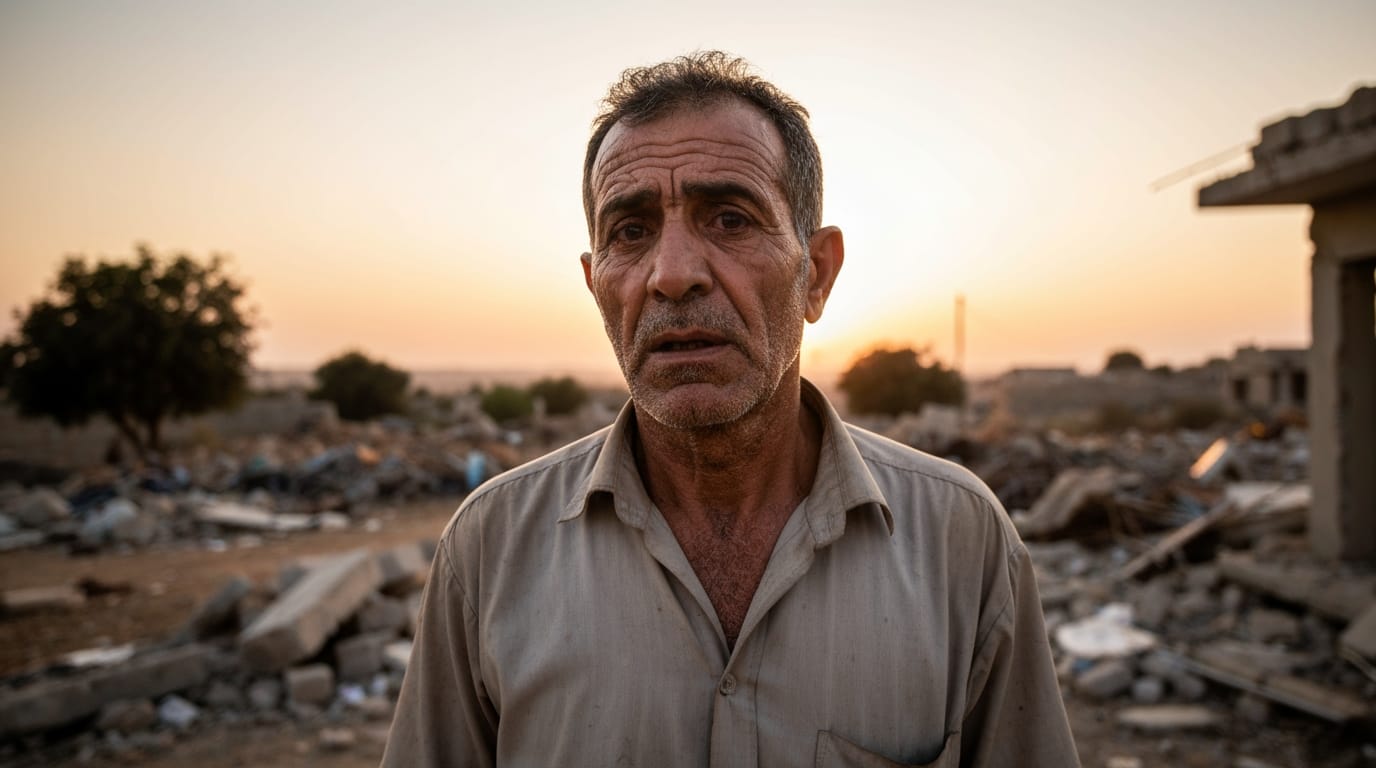
Beirut, Lebanon – A devastating surge in hostilities across Lebanon has forcibly uprooted over one million people from their homes, transforming schools into emergency shelters and shattering the lives of families and children across the nation. The conflict, an extension of broader Middle Eastern tensions, has intensified rapidly, pushing an already fragile country to its breaking point and sparking an urgent humanitarian crisis with no immediate end in sight.
The Unprecedented Scale of Displacement
The numbers paint a stark picture of a nation in turmoil. In a span of less than a month, more than 1.1 million Lebanese citizens, including over 390,000 children, have been forced to flee their residences due to relentless bombardment and escalating violence. This sudden, chaotic displacement represents approximately 20 percent of Lebanon's total population, an extraordinary figure that underscores the profound societal disruption underway. The United Nations refugee agency (UNHCR) reported an increase of 100,000 displaced individuals in just one day in early March, bringing the total registered displaced within the country to over 667,000 at that time. Southern Lebanon, particularly areas near the border, and the southern suburbs of Beirut, where militant group Hezbollah is active, have been heavily impacted, with residents urged to evacuate as Israeli responses intensified. Many families have been displaced multiple times, facing the grim reality of abandoning their belongings and routines for an uncertain future.
A Humanitarian Catastrophe Unfolding
The human cost of this conflict is immense and growing. The rapid and unplanned displacement has led to overcrowded collective shelters, with more than 134,000 people seeking refuge in schools and public buildings that have been hastily converted into temporary accommodation. Classrooms, once centers of learning, are now shared living spaces, offering little privacy and limited sanitation for up to seven families at a time. This overcrowding significantly elevates the risk of infectious diseases, including tuberculosis. Beyond the designated shelters, many others are staying with relatives or friends, while some are left with no option but to sleep in cars or on sidewalks. The conflict has resulted in a tragic loss of life, with at least 1,318 people reported killed, including 125 children, and 3,395 injured, among them 429 children, as of early April. Attacks on healthcare facilities and emergency services remain a significant concern, with 53 healthcare workers killed and 137 injured since early March, alongside 82 reported attacks on emergency medical services.
Children Bearing the Brunt of the Crisis
Children are disproportionately affected by this crisis, facing immediate dangers and long-term psychological trauma. The sudden upheaval is tearing families apart and hollowing out entire communities, with consequences that will resonate long after the violence subsides. For many Lebanese children, this is not their first experience with displacement, forcing them to relive previous nightmares of war. Marcoluigi Corsi, UNICEF Representative in Lebanon, emphasized the urgent need for psychological support for children and their parents, highlighting that these children are "going through the same nightmare they went through just 18 months ago". Uprooting children from their homes severs their access to education and the essential support systems they rely on, jeopardizing their futures. UNICEF is actively working with partners to provide critical services for these vulnerable children, recognizing the profound impact of this chaotic situation on their well-being.
Strained Infrastructure and Coordinated Response
Lebanon’s already fragile infrastructure, weakened by a prolonged economic crisis, is buckling under the immense pressure of the current displacement. The country's ability to respond to basic needs was already limited, and the influx of displaced individuals has further strained resources. The Ministry of Education swiftly transitioned public schools to online learning to free up buildings for use as shelters, a rapid change that transformed educational institutions into places of refuge. International organizations are playing a crucial role in the emergency response. The UNHCR, UNICEF, and the International Organization for Migration (IOM) are among those working to provide assistance, which includes setting up shelters, distributing aid, and offering essential services. However, the scale of the crisis often overwhelms capacity, leaving many, including nearly 50,000 migrants displaced without robust family networks, struggling to find assistance.
A Recurring Nightmare and Uncertain Future
For many of the displaced, the current crisis is a painful echo of past conflicts. The sentiment among those sheltering in makeshift accommodations reflects a deep weariness and a sense of helplessness. As one displaced individual, Zeinab Moqdad, articulated while sheltering in a vocational school: "It's a nightmare. To be safe at home and then suddenly have to flee... only those who've lived it can know what it's like." Criticism has been directed at both the warring factions and Lebanese officials, with some displaced individuals expressing frustration over the lack of state assistance and a feeling of being left to fend for themselves. Lebanon's Prime Minister Nawaf Salam acknowledged that the country has been drawn into a "devastating war that we did not seek and did not choose," noting that the displaced are victims of both the Israeli war and those who provided a pretext for the aggression. As families grapple with the loss of their homes, memories, and livelihoods, the immediate challenge remains survival, while the long-term prospects for recovery and stability appear increasingly uncertain. The displacement has profoundly disrupted daily life, replacing routines with a pervasive sense of waiting in unfamiliar surroundings, far from the homes they once knew.
Conclusion
The displacement crisis in Lebanon represents a profound humanitarian tragedy, driven by an escalating conflict that has upended over a million lives. The sheer volume of people forced from their homes has placed immense strain on an already struggling nation, stretching resources and infrastructure to their limits. While international aid organizations are providing crucial support, the widespread human suffering, particularly among children, underscores the urgent need for a cessation of hostilities and a sustained, coordinated effort to address the immediate needs and long-term implications for those whose lives have been turned upside down. The resilience of the Lebanese people is once again being tested as they navigate a landscape of uncertainty and loss, hoping for a return to peace and stability.


