China Evergrande Founder Pleads Guilty to Extensive Fraud and Bribery Charges
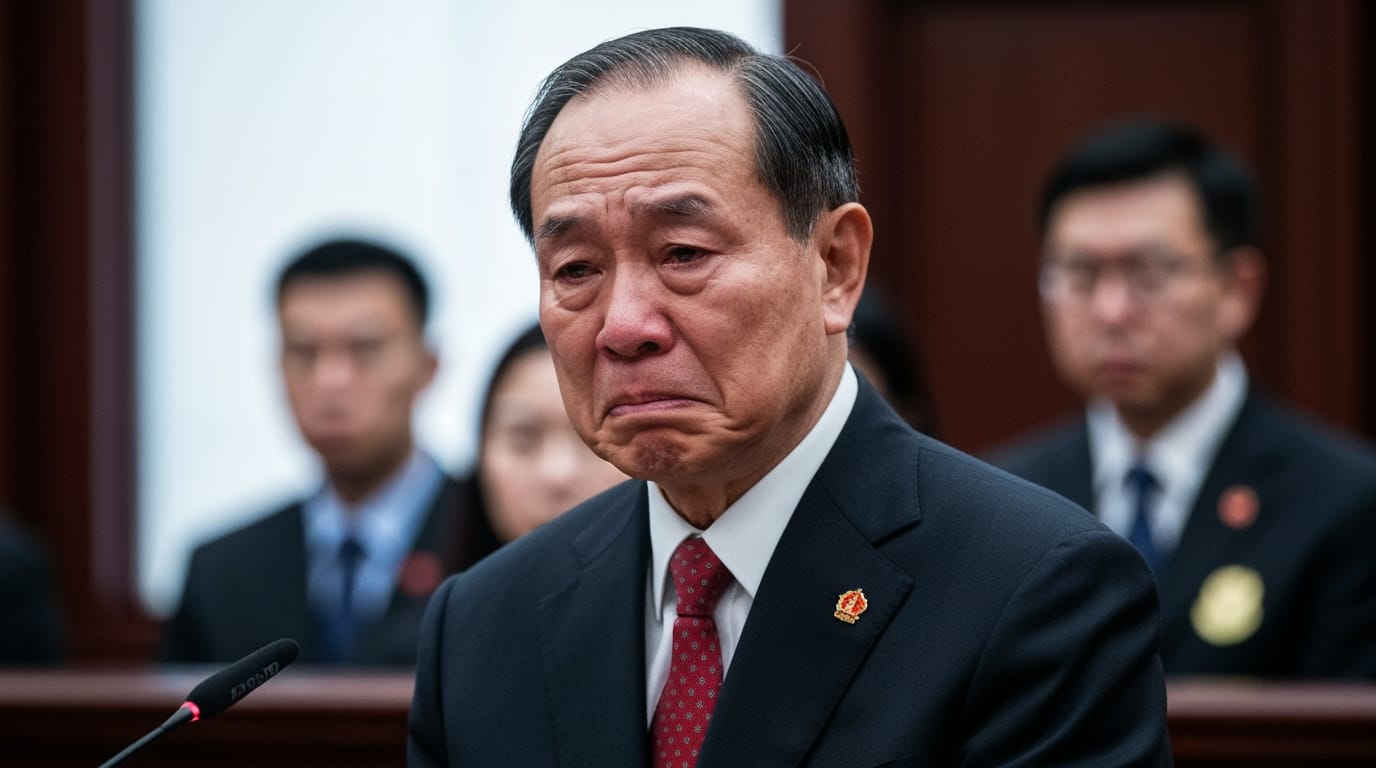
SHENZHEN, China – Hui Ka Yan, the once-omnipotent founder of China Evergrande Group, has pleaded guilty to a sweeping array of charges, including illegal absorption of public deposits, fundraising fraud, and corporate bribery. The admission in a mainland Chinese court marks a pivotal moment in the dramatic downfall of a property titan whose sprawling empire became emblematic of the nation's severe real estate crisis. The Shenzhen Intermediate People's Court confirmed Hui's plea, noting his expression of remorse during the trial, which unfolded between Monday and Tuesday of this week. A judgment on his sentencing is anticipated at a later date.
The guilty plea brings a degree of closure to a legal process initiated with Hui Ka Yan's detention in September 2023 on suspicion of committing crimes. Once Asia's second-richest man, Hui's legal predicament underscores Beijing's tightening grip on highly leveraged conglomerates and its determination to hold corporate leaders accountable for financial malfeasance that has destabilized a crucial sector of the economy.
The Legal Reckoning of a Property Magnate
Hui Ka Yan, also known as Xu Jiayin, faced a formidable list of allegations that extended beyond fraud and bribery to include illegal lending, illegal use of funds, and disclosure of material information in violation of regulations. These charges are directly linked to the operational practices of China Evergrande Group, which amassed over $300 billion in liabilities, making it the world's most indebted property developer. The proceedings in Shenzhen, attended by representatives of those impacted by past fundraising schemes and members of the National People's Congress, signal the serious public and political implications of the case.
The formal charges follow a March 2024 ruling where Hui was fined $6.5 million for his company's reported $78 billion revenue overstatement and permanently banned from China's capital markets. This series of legal actions against Evergrande's leadership highlights a broader effort by Chinese authorities to address the systemic risks within the real estate sector and restore confidence among investors and homebuyers. The founder's expression of remorse in court could factor into his eventual sentencing, which remains a subject of intense public and financial market interest.
The Rise and Catastrophic Fall of an Empire
Evergrande's journey from its founding in the mid-1990s to its precipitous decline is a tale of unprecedented growth fueled by aggressive borrowing and diversification. Under Hui Ka Yan's leadership, the company expanded rapidly, buying vast tracts of land and developing properties across more than 280 Chinese cities. At its peak in 2017, Evergrande was worth over $50 billion. Its business model relied heavily on pre-selling unbuilt homes and using those funds, along with extensive debt, to finance new projects, creating a continuous cycle of expansion.
However, this debt-fueled model became unsustainable, particularly after Chinese regulators introduced the "three red lines" policy in 2020. This policy imposed strict limits on property developers' debt-to-cash, debt-to-assets, and debt-to-equity ratios, aiming to curb excessive borrowing in the real estate sector. Unable to meet these new financial metrics and access fresh financing, Evergrande's liquidity problems intensified, leading to missed debt payments in late 2021 and eventually defaulting on offshore bonds. The company's vast obligations, including billions owed to foreign creditors and countless domestic homebuyers who had pre-paid for unfinished apartments, became untenable. The collapse of Evergrande, once China's biggest property developer, heralded a prolonged slump in the nation's real estate market.
The Far-Reaching Ripple Effects
The unraveling of Evergrande has sent shockwaves throughout China's economy, impacting millions of citizens and shaking global financial markets. The crisis exacerbated weak investor and consumer confidence, with many Chinese households having invested significant portions of their wealth in real estate. The slowdown in property sales and the collapse of developers like Evergrande have directly affected local governments, which heavily rely on land sales for revenue, further straining public finances.
A Hong Kong court ordered Evergrande's liquidation in January 2024, a significant step after prolonged and unsuccessful attempts to restructure its offshore debt. The company's shares were subsequently delisted from the Hong Kong Stock Exchange in 2025, marking the definitive end of its public life. Liquidators have since been tasked with the complex process of recovering assets for creditors, including efforts to secure Hui Ka Yan's personal fortune amidst concerns of concealed wealth. The crisis has left more than 1,300 projects unfinished in over 280 cities, leaving hundreds of thousands of homebuyers in limbo, awaiting properties they had already paid for. The human cost of the crisis is immense, with countless individuals and families facing financial distress and uncertainty.
China's Economic Recalibration and Future Outlook
The Chinese government's response to the Evergrande crisis has been a delicate balancing act, aimed at containing systemic risks while also enforcing new regulatory discipline. While experts have noted that Evergrande's collapse is not China's "Lehman moment," the incident has undeniably posed significant obstacles to the nation's economic recovery. Beijing has publicly chided Evergrande and instructed real estate developers to address their debt problems, with state-backed entities acquiring some of Evergrande's assets to mitigate fallout.
Hui Ka Yan's guilty plea serves as a stark warning to other business leaders in China that accountability will be enforced, particularly in sectors deemed critical to economic stability and social harmony. The government's actions indicate a clear shift towards prioritizing financial stability and responsible corporate governance over unchecked growth. The long-term implications for China's real estate sector and broader economy remain under careful observation. While authorities have shown a willingness to allow heavily indebted firms to fail, they are also working to prevent widespread contagion and support the completion of housing projects to protect social stability.
In conclusion, the guilty plea of Evergrande founder Hui Ka Yan closes a chapter on one of China's most spectacular corporate downfalls. It reinforces the government's resolve to rein in excessive leverage and exert greater control over its financial markets. The repercussions of the Evergrande saga will continue to shape China's economic policy, regulatory landscape, and the future of its property development model for years to come.


