China Hosts Nuclear Talks With Russia and Iran Amidst Rising Tensions
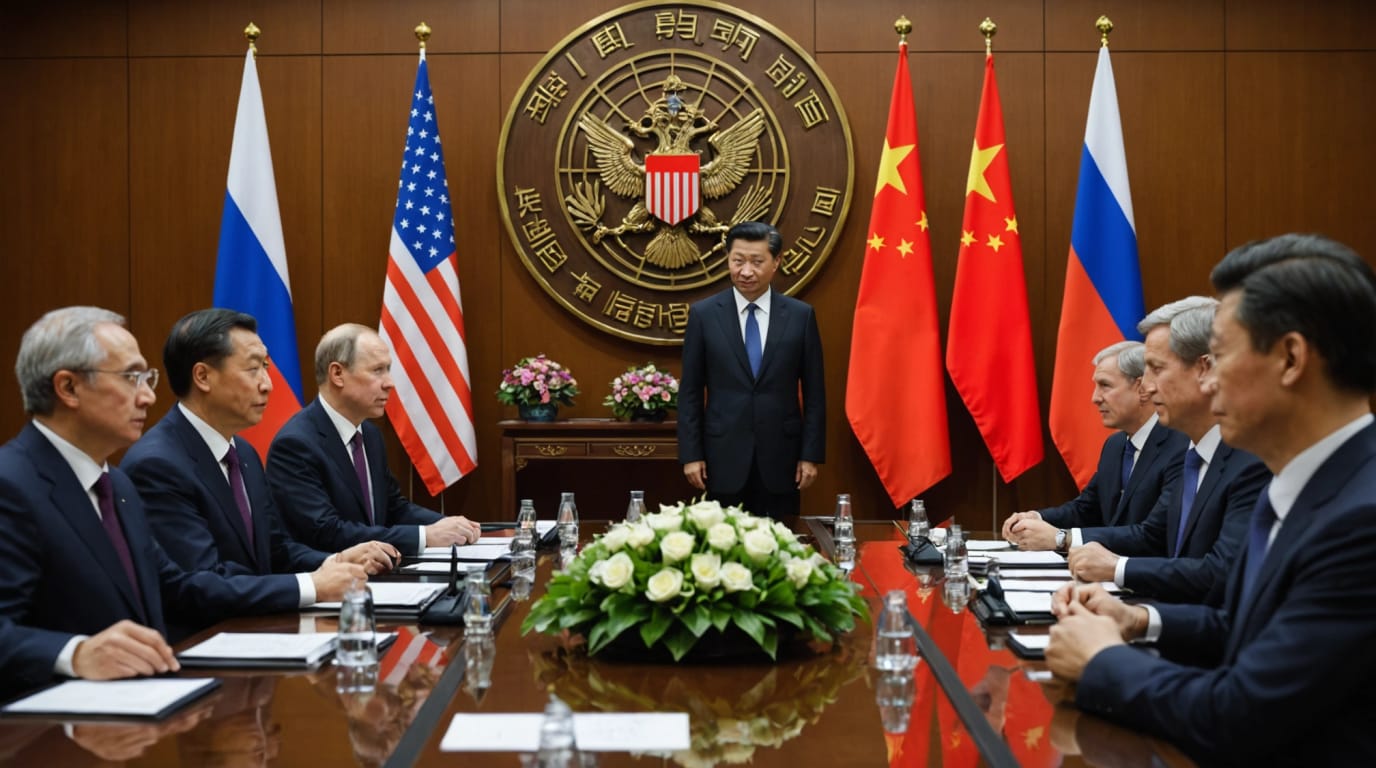
Beijing is hosting high-level discussions between China, Russia, and Iran on Friday concerning Tehran's nuclear program, a move that comes amid escalating international concerns and stalled negotiations over the future of the 2015 nuclear deal. The meeting signals a potential shift in diplomatic strategies as Iran faces increasing scrutiny over its uranium enrichment activities and rejects direct talks with the United States.
Trilateral Meeting in Beijing
Senior diplomats from China, Russia, and Iran convened in Beijing to exchange views on the Iranian nuclear issue and other matters of mutual interest. Vice Foreign Minister Ma Zhaoxu chaired the meeting, with Russian Deputy Foreign Minister Sergei Ryabkov and Iranian Deputy Foreign Minister Kazem Gharibabadi in attendance. China has expressed hope that these trilateral talks will pave the way for the resumption of broader dialogue and negotiations aimed at resolving the long-standing dispute.
Backdrop of US-Iran Tensions
The Beijing talks occur against a backdrop of heightened tensions between Iran and the United States. Recently, former U.S. President Donald Trump sent a letter to Iranian Supreme Leader Ayatollah Ali Khamenei proposing nuclear talks, while also suggesting that military action remained an option. However, Iranian President Masoud Pezeshkian has rejected negotiations with the U.S. under perceived threats or orders. This stalemate underscores the deep-seated mistrust between the two nations, hindering any direct progress toward de-escalation.
The Unraveling of the 2015 Nuclear Deal
The current crisis stems from the unraveling of the 2015 Joint Comprehensive Plan of Action (JCPOA), also known as the Iran nuclear deal. Under this agreement, Iran agreed to curb its nuclear program in exchange for the lifting of international sanctions. However, in 2018, the U.S. unilaterally withdrew from the JCPOA and reinstated sanctions, prompting Iran to gradually scale back its commitments to the deal.
Since then, Iran has accelerated its enrichment of uranium, reaching levels close to weapons-grade. The International Atomic Energy Agency (IAEA) has warned that Tehran is "dramatically" increasing uranium enrichment, raising concerns about the country's nuclear ambitions. Experts estimate that Iran could now produce enough material for a nuclear weapon in less than a week.
China's Diplomatic Efforts
China, a permanent member of the UN Security Council and a party to the JCPOA, has consistently advocated for a peaceful resolution to the Iranian nuclear issue through political and diplomatic means. Beijing supports Iran's "legitimate rights" and has called for the resumption of nuclear negotiations to restore the agreement. By hosting the trilateral talks with Russia and Iran, China aims to enhance communication and coordination, creating conditions for renewed dialogue.
Implications and Future Outlook
The trilateral meeting in Beijing highlights the complex geopolitical dynamics surrounding the Iranian nuclear issue. With the JCPOA in a state of disarray and tensions between Iran and the U.S. remaining high, the role of China and Russia as mediators becomes increasingly significant. The outcome of these talks could influence the future trajectory of the Iranian nuclear program and the broader stability of the Middle East.
As the October 18th deadline approaches, when parties to the 2015 nuclear deal will lose the ability to impose "snap-back" UN sanctions on Iran, the pressure to find a diplomatic solution intensifies. The international community remains divided on how to address the Iranian nuclear issue, with some advocating for renewed negotiations and others considering the possibility of military intervention. The stakes are high for Iran and the world, as the specter of nuclear proliferation looms large.


