China Lashed by High Winds: Flights Grounded, Parks Closed, and Travel Disrupted
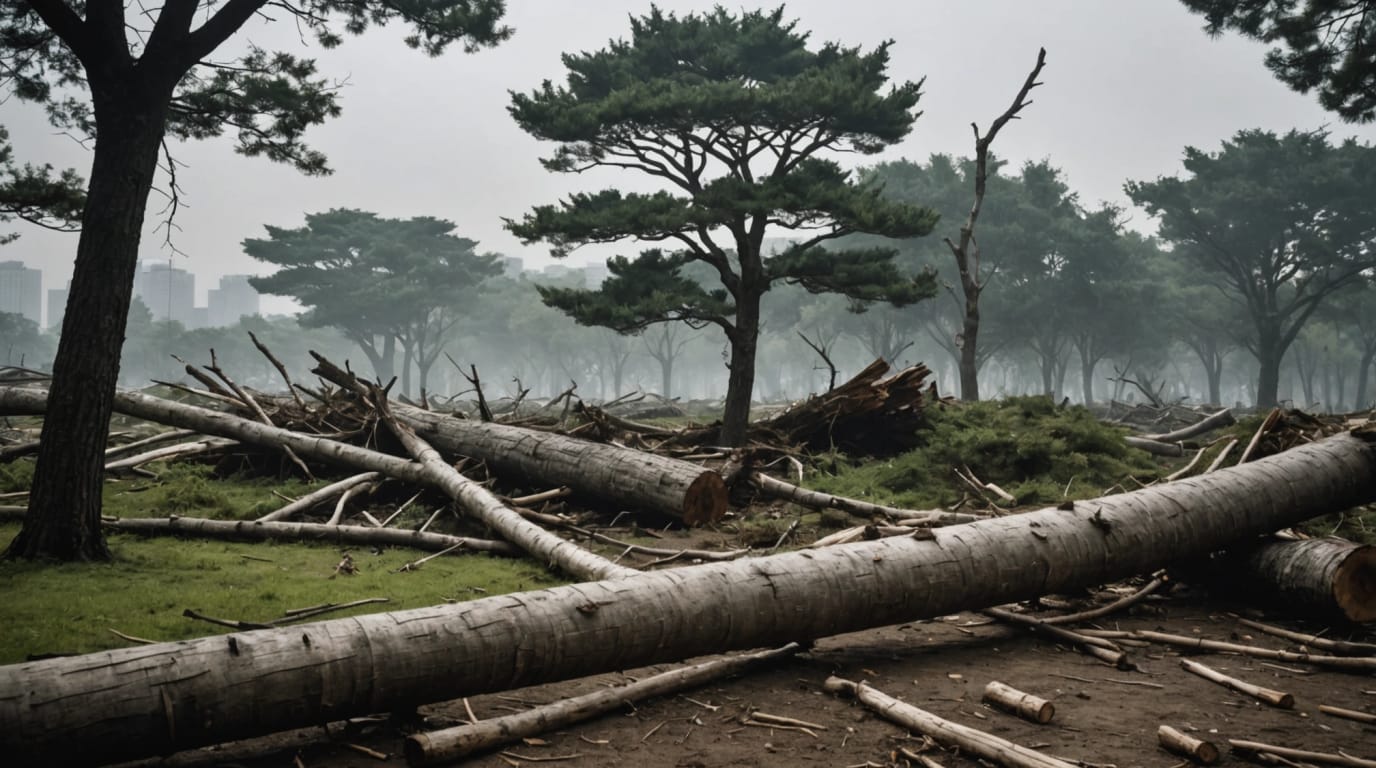
Beijing, China - Gale-force winds swept across northern China on Saturday, grounding hundreds of flights, toppling trees, and forcing the closure of parks and tourist attractions. The extreme weather, driven by a cold vortex originating in Mongolia, prompted the capital to issue its second-highest gale warning in a decade, impacting the daily lives of millions and raising concerns about potential record-breaking wind speeds.
Travel Disrupted as Hundreds of Flights Cancelled
The most immediate impact of the high winds was felt by travelers. Beijing Capital International Airport and Beijing Daxing International Airport were forced to cancel a combined total of 693 flights by Saturday afternoon. Other regions of China also experienced flight and train cancellations as the powerful winds made travel unsafe. Some parts of the country recorded their most powerful winds in over 75 years, with speeds reaching up to 148 kilometers per hour (92 mph). The airport express subway line also experienced service suspensions.
Beijing Shuts Down Public Spaces
Beyond travel disruptions, the high winds led to widespread closures of public spaces in Beijing. Public parks were closed to prevent injuries from falling trees and debris. Popular tourist destinations, including the Forbidden City, Summer Palace, Temple of Heaven, and Beijing Zoo, also temporarily closed their doors. Universal Studios theme park in Beijing also shut down operations at least through Sunday. These closures affected both residents and tourists, disrupting weekend plans and leisure activities.
Impact on Daily Life and Infrastructure
The powerful winds had a tangible impact on daily life in Beijing and surrounding areas. Nearly 300 trees were toppled in the capital, damaging at least 19 vehicles. While no injuries were reported in Beijing, the fallen trees and debris posed a significant hazard to pedestrians and drivers. Residents were advised to avoid non-essential travel, and concerns were raised about the safety of food delivery workers braving the conditions. Sandstorms, common in northern China, further reduced visibility and created hazardous conditions on roads, crippling road travel in several provinces. A half-marathon featuring humanoid robots competing with humans, intended to showcase China's technological advancements, was postponed due to concerns that the robots might topple in the harsh weather.
Meteorological Context and Historical Perspective
The China Meteorological Administration (CMA) attributed the strong winds to a cold vortex system originating in Mongolia. The CMA stated that wind speeds at some observation stations were approaching or even surpassing historical records for the same period since 1951. Beijing issued an orange alert, the second-highest level, for strong winds, marking the first time in a decade the city has reached this level of alert. The sandstorms accompanying the high winds are a recurring problem in northern China, where the Gobi and Taklamakan deserts are located. China has been engaged in a long-term effort to mitigate the impact of these storms, which can reduce visibility to near zero and cause discomfort and health problems.
Broader Implications and Future Outlook
The extreme weather event serves as a reminder of China's vulnerability to natural disasters. China is the world's biggest emitter of greenhouse gases, which scientists say are driving climate change and making extreme weather more frequent and intense. Last year, dozens of people were killed and thousands evacuated during storms that caused severe flooding around the country. The current high winds and sandstorms highlight the need for continued efforts to address climate change and improve disaster preparedness. While the immediate impact is on travel and daily life, the long-term consequences could be more far-reaching, affecting infrastructure, agriculture, and public health. As of Sunday, April 13, 2025, the weather in China is clear with a temperature of 33°F (1°C).


