Chinese Conglomerate Demands Billions from UK Over British Steel Nationalization
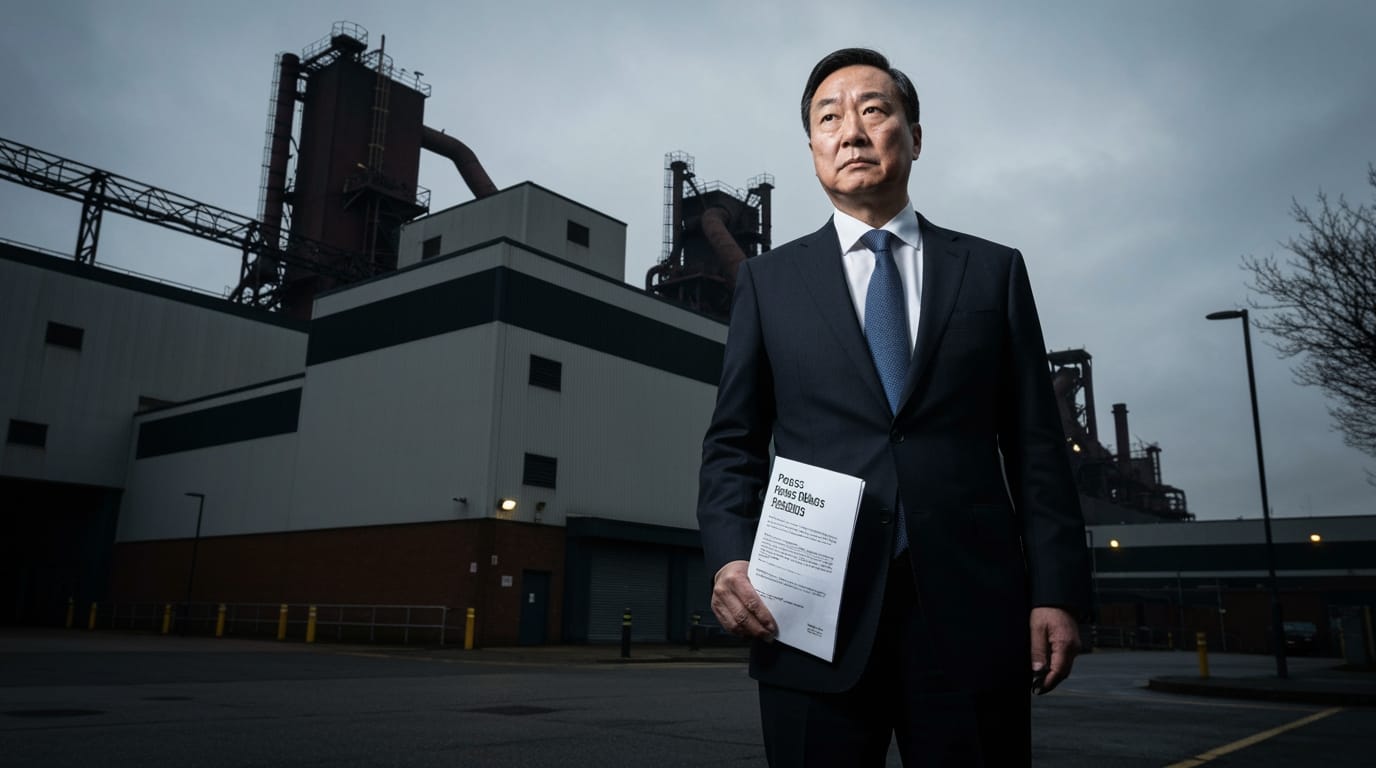
A major international dispute has erupted between Beijing and London following the United Kingdom government's nationalization of British Steel. China's Jingye Steel Group, the former owner of the iconic steelmaker, has initiated formal proceedings to claim substantial compensation from the UK government, alleging "extreme expropriation" and a disregard for international investment rules. The move underscores growing tensions in bilateral economic relations and raises critical questions about state intervention in privately owned assets, particularly those deemed vital for national security.
The Core of the Compensation Claim
Jingye Steel, which acquired British Steel in 2020, has formally demanded compensation from the UK government, with industry sources indicating the claim could exceed £1 billion. The Chinese conglomerate has characterized the UK's assumption of control over British Steel as an "extreme expropriation," criticizing the lack of "prompt, adequate, and effective compensation" for its investments. Jingye's statement, made public through its WeChat account, asserted that the nationalization tarnished the credibility of the British government, deterred international investors, and resulted in significant losses for the company and potentially for British taxpayers. The company is pursuing its claim under a bilateral investment treaty between China and the UK, initiating consultation procedures in June 2026. This treaty allows for potential international arbitration if a satisfactory settlement is not reached within a six-month period. Jingye has reserved all rights to pursue its claim, including through international arbitration.
British Steel's Tumultuous Path to State Control
The current dispute is rooted in British Steel's long and often precarious history, culminating in the UK government's intervention. Jingye Steel had purchased British Steel in 2020 following the company's prior collapse, investing in equipment upgrades and initiatives for green steelmaking. However, the steelmaker continued to face significant challenges, reportedly prompting Jingye to consider closing the blast furnaces at its Scunthorpe plant, the last facility in the UK capable of producing "virgin steel" from raw materials.
The UK government took operational control of British Steel in April 2025, citing national security concerns. This intervention was framed as a necessary step to protect the nation's steelmaking capabilities, safeguard strategic assets, and ensure a domestic supply of steel crucial for major construction projects and the defense industry. Additionally, the government highlighted the imperative to save thousands of jobs tied to the industry. In May 2026, Prime Minister Keir Starmer announced plans for the full nationalization of British Steel, a decision that cemented the government's control over the company. The Department for Business and Trade formalized this move in July 2026. Jingye, however, maintains that the UK "disregarded Jingye's continuous investment and significant contribution" and was only willing to provide "almost zero compensation".
Geopolitical and Economic Ripples
The confrontation over British Steel carries significant implications extending beyond the immediate financial claims. Jingye's accusation that the UK government is "trampling on international investment rules" and spooking international investors underscores the potential for this dispute to affect broader UK-China economic relations. Such a high-profile case of nationalization and subsequent demand for compensation could influence how foreign entities perceive the stability and security of investments within the UK.
The UK government's justification for nationalization on national security grounds sets a precedent that could be scrutinized by other nations and investors. While the protection of strategic industries is a recognized governmental prerogative, the specifics of compensation and the process of intervention are under intense international focus. The dispute also highlights the delicate balance between a nation's sovereign right to protect its vital interests and its obligations under international investment treaties. China's Ministry of Commerce previously warned London to "make decisions prudently" regarding nationalization plans and to respect "the wishes of firms and market principles," signaling its close monitoring of the developments.
The Path Forward
As Jingye Steel presses its claim, the immediate next steps involve an independent evaluation to determine whether any compensation will be paid to the Chinese group. Should the parties fail to reach an amicable settlement during the six-month consultation period stipulated by the bilateral investment treaty, the dispute could escalate to international arbitration.
Meanwhile, the British government has indicated its intention to eventually seek new private owners for British Steel following a period under national ownership. This suggests the nationalization may be a temporary measure aimed at stabilizing the company and ensuring its long-term viability under British stewardship. The outcome of the compensation claim will undoubtedly play a crucial role in shaping the financial landscape for British Steel and its future prospects, irrespective of its ownership structure. The government's decision to potentially lower tariffs on imported steel could also make British Steel a more attractive prospect for future buyers.
The British Steel nationalization and the subsequent compensation claim from Jingye Steel represent a complex international standoff. The case tests the boundaries of state intervention, international investment protection, and the evolving relationship between the UK and China. The resolution of this dispute will not only determine the financial fate of billions of pounds but also set important precedents for how governments manage strategically critical industries and engage with foreign investors on the global stage.


