Cholera Crisis Grips DRC: Worst Outbreak in 25 Years Devastates Communities, Children Most Vulnerable
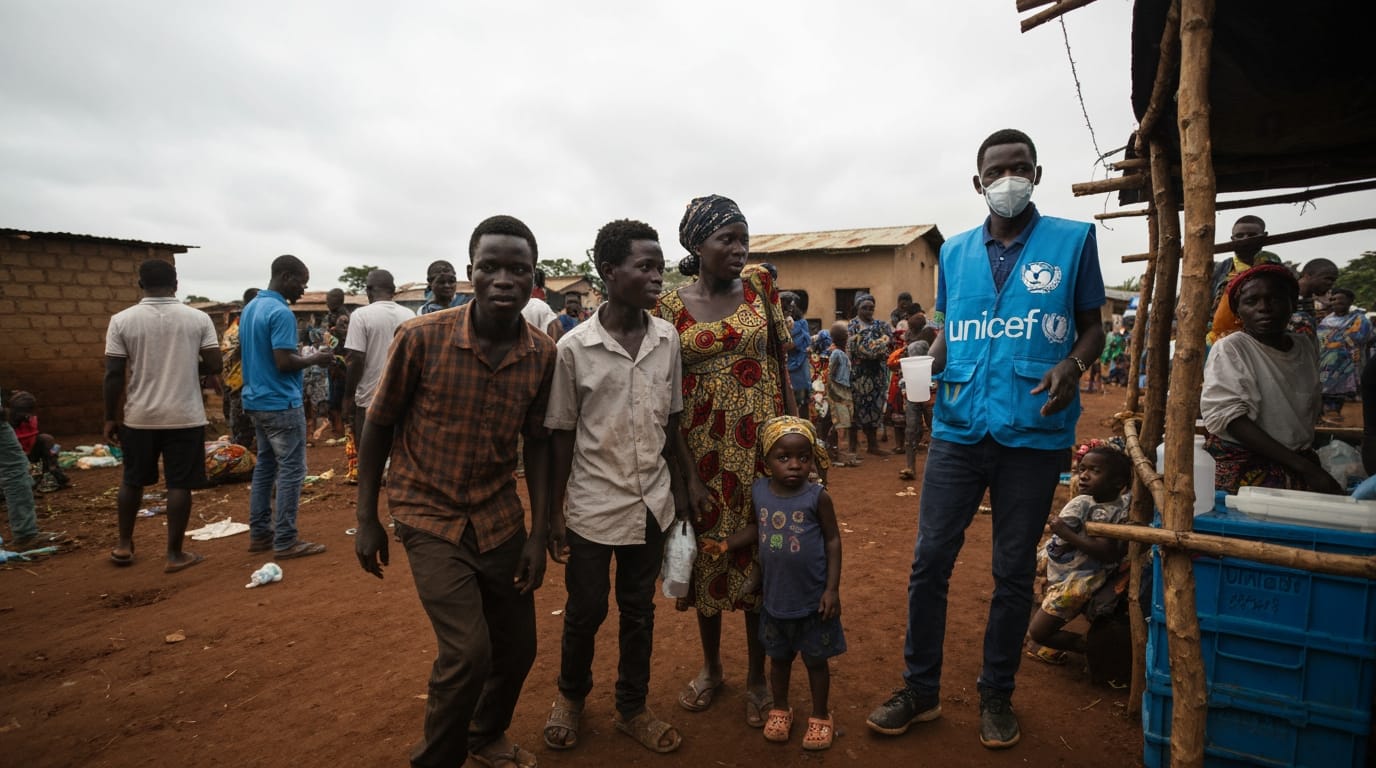
KINSHASA, Democratic Republic of Congo – The Democratic Republic of Congo (DRC) is battling its most severe cholera outbreak in a quarter-century, a crisis exacerbated by ongoing conflict, widespread displacement, and devastating floods. The UN children's agency, UNICEF, reported on Monday that the outbreak has claimed nearly 2,000 lives since January, with children disproportionately affected. The unfolding tragedy underscores a dire humanitarian situation and highlights the urgent need for sustained, comprehensive intervention to stem the tide of this preventable disease.
A Crisis Unfolding: Scale and Impact
The current cholera outbreak has recorded 64,427 total cases and 1,888 deaths since the beginning of the year, making it the worst in 25 years for the DRC. Children bear a heavy burden, accounting for 14,818 cases and 340 deaths, representing a significant portion of the overall fatalities. The tragic human cost is acutely felt across the nation, with an orphanage in Kinshasa reporting the death of 16 out of 62 children within days of the disease taking hold. This devastating scenario highlights how vulnerable children are to the disease, primarily due to factors like poor hygiene, inadequate sanitation, and limited access to safe water.
Seventeen of the DRC's 26 provinces are currently impacted, including the capital, Kinshasa, which has recently seen a sharp surge in cases. While cholera is endemic in the eastern provinces, particularly around the Great Lakes, the disease has spread to areas previously unaffected, including along the Congo River to urban centers like Kisangani and Kinshasa. This widespread geographic reach, coupled with the high case fatality rates observed in areas with little prior exposure, indicates a critical lack of awareness and delays in seeking care. The World Health Organization (WHO) reported over 52,400 cholera cases and 462 deaths in the DRC in 2023, making it one of the largest outbreaks globally and accounting for 80 percent of all cholera cases in West and Central Africa during that period.
Root Causes: Conflict, Floods, and Infrastructure Deficiencies
Multiple intertwined factors are fueling the current crisis. Persistent conflict, particularly in eastern DRC, leads to massive displacement, forcing populations into overcrowded camps with severely limited access to basic services. These conditions create fertile ground for the rapid transmission of waterborne diseases like cholera. According to UNICEF, more than 6.3 million people are displaced across the country, with over 1.5 million in North Kivu, South Kivu, and Ituri provinces alone since January 2023.
Compounding the conflict are acute climate events. Exceptionally heavy rainfall has led to the worst floods in 60 years along the Congo River, affecting 18 of the DRC's 26 provinces and leaving over 2 million people in need of humanitarian assistance. These floods destroy homes, schools, and health facilities, contaminate water sources, and damage sanitation infrastructure, further accelerating the spread of cholera. Crop destruction due to waterlogged fields also raises the specter of food shortages.
Underlying these immediate triggers are chronic deficiencies in water, sanitation, and hygiene (WASH) infrastructure. A 2024-2025 Demographic and Health Survey (DHS) revealed that only 43 percent of the population has access to at least basic water services, the lowest rate in Africa, and a mere 15 percent have access to basic sanitation. Rapid and unplanned urbanization further overwhelms already fragile WASH systems, contributing to the persistent nature of cholera in the DRC.
Humanitarian Response and Persistent Challenges
International and local organizations, led by UNICEF and WHO, are working to address the crisis. UNICEF-supported cholera management teams are on the ground, providing immediate response services including distributing prevention kits, decontaminating homes and latrines, and setting up hand disinfection stations. The agency also provides drinking water, water treatment kits, and health supplies, while working to strengthen WASH structures in schools, health centers, and communities. Through community engagement initiatives, over 13.5 million people were reached with cholera prevention and response information between January and October 2025. WHO is mobilizing resources, deploying emergency inter-agency kits, and supporting the government's response through rapid response teams for case detection, clinical management, and water and sanitation activities. Doctors Without Borders (MSF) has also been instrumental, particularly in regions like Lomera, where they conducted rapid emergency interventions, vaccinated thousands, and treated hundreds of patients.
Despite these efforts, significant challenges impede the response. Funding shortfalls remain a critical hurdle; UNICEF's appeal for $62.5 million to scale up its cholera response activities was only 9 percent funded in August 2023. The government's Multisectoral Cholera Elimination Plan (PMSEC) for 2023-2027, with a proposed budget of $192 million, is woefully underfunded. Insecurity and logistical difficulties, such as the closure of airports and clashes between armed groups, hinder the delivery of aid and access to affected communities. Limited access to vaccines and healthcare, coupled with a lack of coordination among humanitarian partners, further exacerbates the situation.
A Call for Sustained Action
The ongoing cholera crisis in the DRC is a stark reminder of the devastating consequences when public health infrastructure is weak and compounded by conflict and environmental disasters. While immediate emergency responses are crucial, a long-term, multi-sectoral approach is essential for sustainable change. This includes increased investment in robust water and sanitation systems, strengthening healthcare services, improving surveillance and early warning mechanisms, and ensuring unhindered humanitarian access. Without sustained funding and coordinated efforts from the government and international partners, the cycle of cholera outbreaks will continue to threaten the lives and well-being of millions of Congolese, especially its most vulnerable children.


