Civil Lawsuit Against Gerry Adams by IRA Victims Withdrawn in London High Court
London, UK – A high-profile civil case brought by three victims of Provisional Irish Republican Army (IRA) bombings against former Sinn Féin leader Gerry Adams was dramatically withdrawn in the High Court in London on Friday, March 20, 2026. The decision, coming on what was scheduled to be the final day of the two-week trial, marks a significant development in the ongoing efforts by victims to seek accountability for historical acts of terrorism during the Troubles. While Adams welcomed the outcome as an "emphatic end" to a case he claimed should never have been brought, the victims' legal representatives expressed profound disappointment, citing a procedural intervention by the court that left their clients vulnerable to potentially crippling legal costs.
The Pursuit of Accountability: A Symbolic £1 Claim
The lawsuit was initiated by John Clark, injured in the 1973 Old Bailey bombing; Jonathan Ganesh, a victim of the 1996 London Docklands bombing; and Barry Laycock, who suffered injuries in the 1996 Manchester bombing. The three individuals sought a symbolic £1 in damages from Adams, alleging that he was a senior and instrumental member of the Provisional IRA, and therefore culpable for the devastating attacks that caused them physical and psychological harm. Adams has consistently and vehemently denied ever being a member of the IRA or its Army Council, and has denied any involvement in the bombings.
The claimants' objective extended beyond financial compensation, aiming to compel a judicial examination of Adams's alleged leadership role within the Provisional IRA during the decades of conflict in Northern Ireland. Their legal team, McCue Jury & Partners LLP, articulated that the case aimed to prove Adams was a senior IRA figure for over 25 years, acting "with others in furtherance of a common design to bomb the British mainland." This pursuit of "vindicatory" damages sought to establish a formal judgment on Adams's alleged responsibility, a claim he has always dismissed as false.
A Sudden Turn: The 'Abuse of Process' Argument
The withdrawal came unexpectedly on the ninth day of the trial. Anne Studd KC, representing the victims, informed the court that the claim would be discontinued after "proceedings developed overnight." She indicated that this development was directly related to an argument concerning an "abuse of process." Mr. Justice Swift, the presiding judge, had earlier raised questions about whether the case, framed as a personal injury claim, was actually being used to challenge Adams's broader role during the Troubles, and had indicated he would hear submissions on this point.
The pivotal factor in the decision to withdraw was the potential loss of Qualified One-Way Costs Shifting (QOCS) protection for the claimants. This legal mechanism typically shields claimants in personal injury cases from being liable for the defendant's legal costs if they lose. The judge's inquiry into whether the case constituted an abuse of process created a "real risk" that this protection would be removed, exposing the vulnerable victims to substantial legal expenses incurred by Adams. McCue Jury & Partners LLP stated that "faced with even a small risk of life-changing financial consequences," the claimants had "no realistic choice" but to accept an offer from Adams to settle the case on a "drop-hands" basis, meaning each party would bear their own costs.
Reactions from Both Sides
Gerry Adams, who had attended earlier days of the trial to give evidence but was not present for the withdrawal announcement, swiftly welcomed the decision. Speaking from Belfast, he described the outcome as an "emphatic end" to a case that "should never have been brought." Adams reiterated his long-standing denials of IRA membership and involvement in the bombings, characterizing the trial as having "verged upon a show trial." While expressing "nothing but sympathy" for the victims, he firmly asserted the "legitimacy of the republican cause and the right of the people of Ireland to freedom and self-determination." He further called for a "renewed focus" on the Good Friday Agreement.
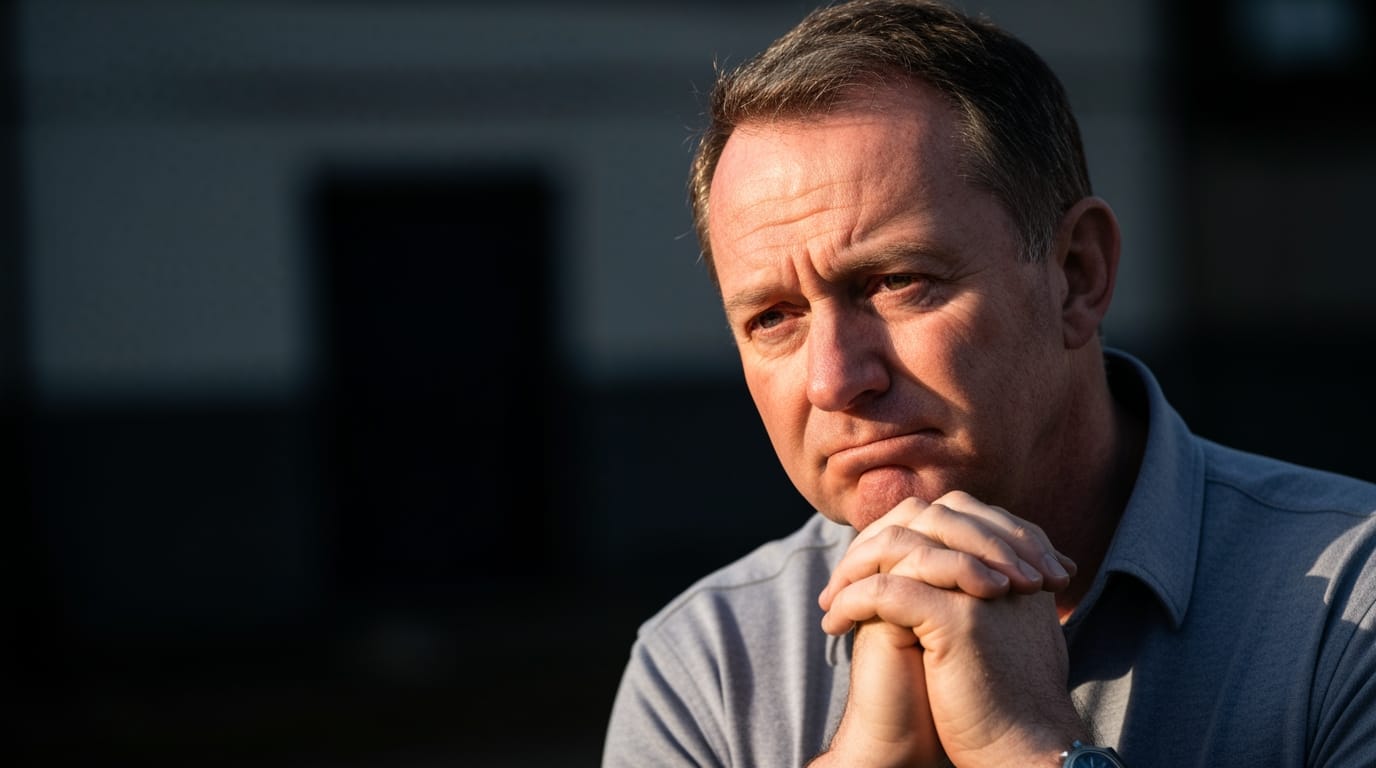
Conversely, the victims and their legal team expressed profound disappointment and a sense of injustice. Barry Laycock conveyed he was "completely devastated" by the discontinuation of the case. The claimants' lawyers described the situation as "unexpected and prejudicial," and the outcome as "deeply unfair." They maintained that the evidence presented against Adams during the trial, even without a formal judgment, constituted a "vindication of their position" and that the achievement of getting Adams into the dock had been a significant step.
The Broader Context of Legacy and Justice
This civil case unfolded against the backdrop of Northern Ireland's complex and often contentious legacy of the Troubles, a period of violent sectarian conflict spanning decades that largely concluded with the 1998 Good Friday Agreement. More than 3,500 lives were lost during this tumultuous era. Adams, a key figure in the Northern Ireland peace process, has consistently faced accusations regarding his past association with the IRA, despite his denials.
The case highlights the enduring challenges faced by victims in their pursuit of justice and truth for historical crimes. Many victims, having endured years of trauma, have struggled to bring cases due to financial constraints, fear of reprisals, and the difficulty of proving involvement in attacks that occurred decades ago. This withdrawal underscores the intricate legal and ethical dilemmas surrounding legacy cases, particularly when they involve prominent political figures whose roles are central to a peace process. The outcome leaves many questions unanswered for victims seeking definitive answers and formal acknowledgment of responsibility, continuing the broader debate about accountability and reconciliation in Northern Ireland.


