Civilian Casualties in Ukraine Reach Highest Monthly Level Since Early 2022 Amid Intensified Attacks
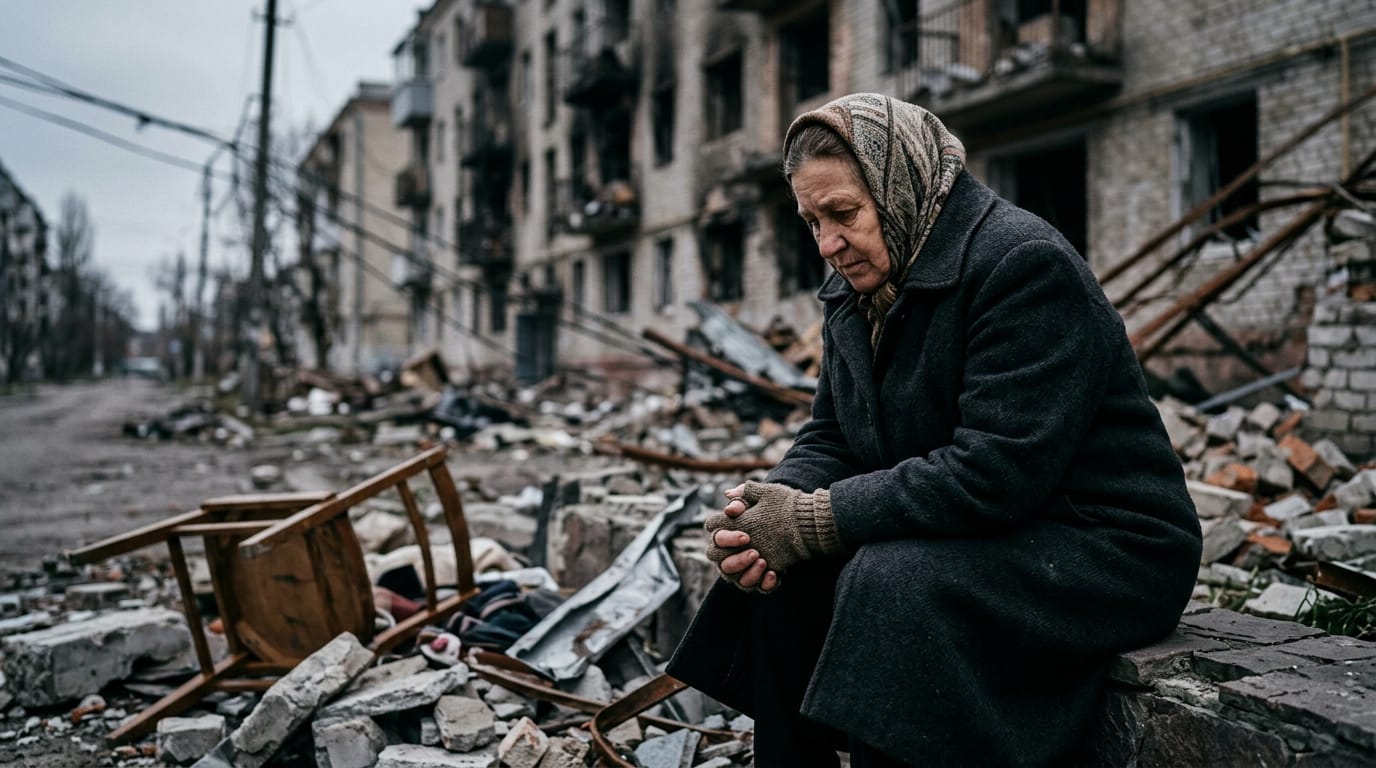
KYIV, UKRAINE – Civilian casualties in Ukraine surged in July 2026 to their highest monthly figures since the initial weeks of Russia's full-scale invasion in March 2022, according to alarming new data from the United Nations Human Rights Monitoring Mission (HRMMU). This sharp escalation underscores the devastating human cost of the protracted conflict, driven by an intensified barrage of missile, drone, and glide bomb attacks across Ukrainian territory, particularly urban centers and frontline cities. The grim statistics paint a picture of relentless suffering and a rapidly deteriorating humanitarian situation, prompting renewed calls for enhanced protective measures for civilians caught in the crossfire.
An Alarming Spike in Human Suffering
The United Nations Human Rights Monitoring Mission in Ukraine reported that July 2026 witnessed a grim milestone, with more civilians killed or injured than in any single month since March 2022. Specifically, HRMMU verified that at least 437 civilians were killed and 2,610 injured during July, bringing the total verified casualties for the month to 3,047. This represents a significant 30 percent increase in casualties compared to the preceding month of June 2026, and a staggering 70 percent rise when juxtaposed with figures from July 2025. The number of those killed in July alone was the highest recorded since May 2022, highlighting a severe escalation in lethal force. Danielle Bell, Head of HRMMU, noted that the number of killed and injured civilians had been steadily increasing every month throughout 2026, a trend that accelerated sharply in July.
The Widening Toll: Children Among the Most Vulnerable
Beyond the immediate monthly surge, the overall trend for 2026 signals a dire trajectory for civilian safety. During the first seven months of 2026, HRMMU verified a total of 12,477 civilian casualties, comprising 1,839 killed and 10,638 injured. This constitutes a substantial 44 percent increase in casualties compared with the same period in 2025, which saw 1,434 killed and 7,216 injured. The current year's figures are also more than double the number recorded during the corresponding period in 2024, when 1,188 were killed and 4,560 injured. A particularly distressing aspect of the July escalation was the unprecedented number of child casualties, which reached their highest level since April 2022. These verified figures, however, are likely significant underestimates, as the HRMMU cannot independently verify casualties in parts of Ukraine occupied by Russian forces, such as Mariupol, where thousands are believed to have perished earlier in the conflict.
The Evolving Landscape of Attacks
The United Nations attributes the recent surge in civilian casualties to a discernible shift in the nature and intensity of military operations. Civilians are confronting intensified risks from the increased use of missiles and drones targeting urban centers. Additionally, the deployment of glide bombs in cities closer to the frontlines and the widespread use of short-range drones are contributing to the rising toll. These varied attack methods are collectively driving up civilian casualties across diverse regions of Ukraine. Analysts, citing data from Kyiv's air force, indicate that Russia fired a record number of missiles at Ukraine during July, including a significant quantity of hard-to-intercept ballistic missiles targeting the capital. This strategic shift in weaponry and targeting appears designed to maximize impact on civilian infrastructure and sow terror.
Cities Under Siege: Kyiv and Odesa Among the Hardest Hit
The capital city, Kyiv, once considered relatively protected in the early years of the war, emerged as one of the hardest-hit areas in July, recording at least 54 civilian deaths. This heightened vulnerability in Kyiv is attributed to intensifying Russian strikes and reported shortages in Ukraine's air defense capabilities, leaving the capital more exposed. Beyond the capital, other regions also bore the brunt of the attacks. President Volodymyr Zelensky reported a specific incident involving a Russian drone destroying a passenger train in the Odesa region, which was carrying 340 people. This incident highlights the indiscriminate nature of some of the attacks and their potential for mass casualties among non-combatants. It is also noted that reported civilian casualties in the Russian Federation experienced an increase in July, though specific numbers were not detailed by the HRMMU.
A Call for Greater Protection and International Response
Since the full-scale invasion commenced on February 24, 2022, the Office of the United Nations High Commissioner for Human Rights (OHCHR) has verified at least 16,874 civilians killed, including 820 children, and 51,273 injured, including 3,126 children, demonstrating the conflict's horrific and continuous impact on civilian lives. This ongoing human tragedy has solidified the conflict's status as Europe's deadliest since World War II. In response to the intensifying ballistic attacks, Ukrainian President Volodymyr Zelensky has made urgent appeals to international allies, emphasizing the critical need for more advanced air defense systems, particularly U.S. Patriot interceptor missiles, to counter the surging aerial threats. The unprecedented civilian casualty figures in July serve as a stark reminder of the escalating risks faced by ordinary Ukrainians and underscore the urgent global imperative to protect civilian lives in armed conflict.
The sharp rise in civilian casualties in July 2026 marks a deeply concerning escalation in the ongoing conflict in Ukraine, pushing the human cost to levels not seen since the initial phase of the full-scale invasion. The intensified use of sophisticated and often indiscriminate weaponry by Russian forces against Ukrainian cities is directly contributing to this devastating toll. As the conflict continues, the protection of civilians remains an paramount concern, demanding persistent international attention and concrete actions to mitigate the suffering and safeguard the lives of those caught in the persistent and brutal violence. The call for enhanced defensive capabilities, particularly air defense, resonates with increasing urgency as the daily reality for millions in Ukraine becomes ever more precarious.


