Climate Change Casts Long Shadow Over Global Coffee Supply, Threatening Future of Beloved Brew
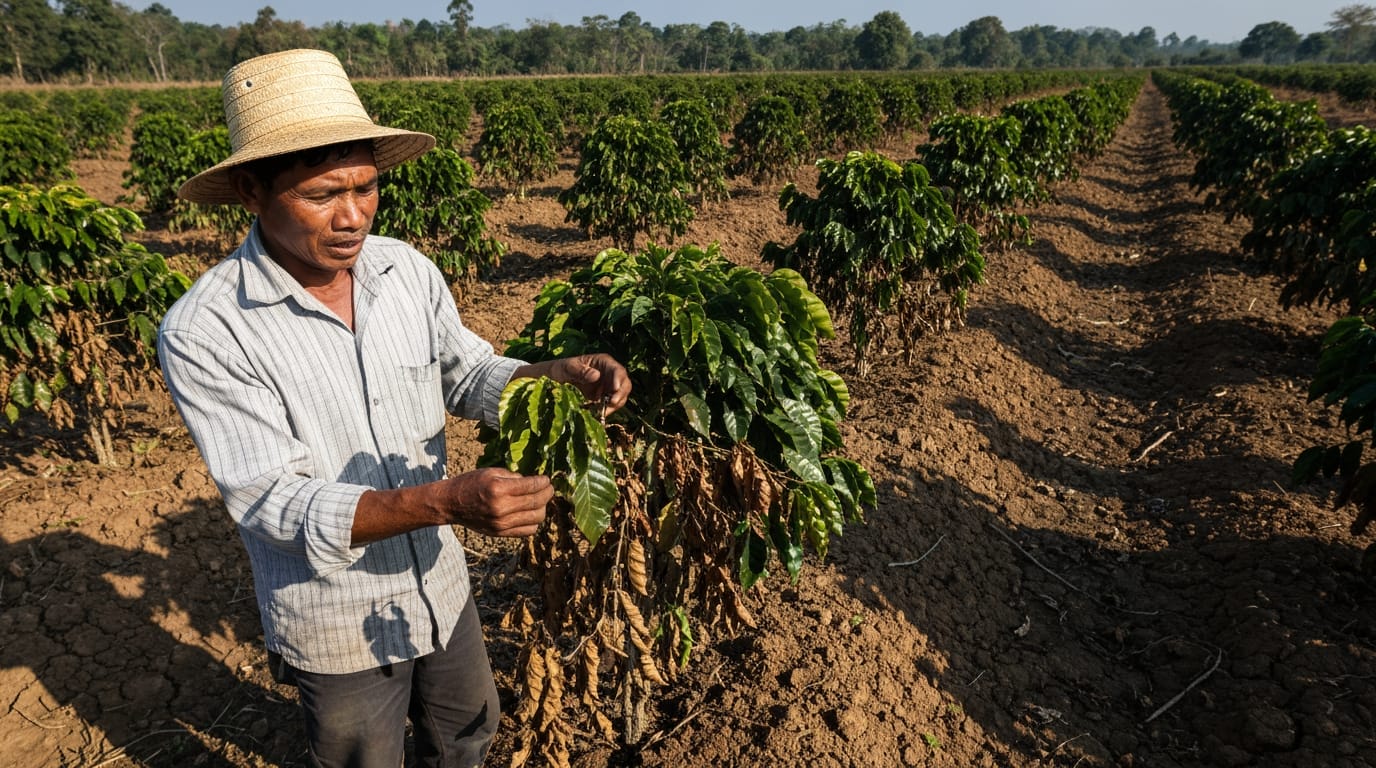
A new analysis underscores the escalating threat climate change poses to the world's coffee-growing regions, portending dire consequences for global supply, consumer prices, and the livelihoods of millions of smallholder farmers. Recent data reveals a significant increase in "coffee-harming heat" across nearly all major producing nations, jeopardizing the very foundation of the multi-billion dollar industry. The delicate balance of temperature and rainfall required for coffee cultivation is being severely disrupted, prompting urgent calls for adaptation and innovation to safeguard the future of one of the world's most cherished beverages.
The Alarming Rise of "Coffee-Harming Heat"
Coffee plants, particularly the prized Arabica variety, are inherently sensitive to environmental shifts. Optimal growing conditions for Arabica, which accounts for an estimated 60-70% of global coffee production, typically fall within a narrow temperature band of 15 to 24 degrees Celsius. Robusta, a more resilient variety, traditionally tolerates warmer climates, yet new research indicates its optimal growing temperature is lower than previously assumed, at 20.5 degrees Celsius.
A recent analysis by the independent research group Climate Central, covering 25 major coffee-producing countries responsible for approximately 97% of global coffee production, paints a stark picture. Between 2021 and 2025, these regions experienced an average of 47 additional days annually where temperatures exceeded 30 degrees Celsius (86 degrees Fahrenheit). Such heat levels are considered "extremely harmful" for Arabica plants and "suboptimal" for Robusta, severely impacting yields, bean quality, and increasing vulnerability to pests and diseases.
The five largest coffee-producing nations—Brazil, Vietnam, Colombia, Ethiopia, and Indonesia—which collectively supply roughly three-quarters of the world's coffee, faced an average of 57 extra days of coffee-harming heat each year during this period. Specific countries have experienced even more drastic increases, with El Salvador enduring approximately 99 additional days, Nicaragua 77, and Thailand 75. Brazil, the world's largest producer, saw around 70 extra coffee-harming days annually, while Indonesia experienced 73, Vietnam 59, Colombia 48, and Ethiopia 34.
Vanishing Landscapes and Economic Strain
The implications of these rising temperatures extend far beyond immediate crop stress. Projections indicate a significant reduction in arable land for coffee cultivation. Studies suggest that up to 50% of the land currently suitable for coffee production could become unsuitable by 2050. This dramatic decline is expected to hit current high-volume producing regions, particularly in Brazil, Vietnam, Colombia, and Indonesia.
While some areas at higher altitudes or previously cooler regions might become more suitable for coffee cultivation, these gains are unlikely to offset the substantial losses in traditional growing belts. The shift in suitable growing zones often forces farmers to consider relocating crops to higher elevations, an arduous and costly endeavor that also carries potential environmental risks if not managed sustainably.
Beyond excessive heat, climate change manifests in erratic rainfall patterns, leading to prolonged droughts in some regions and intense, damaging floods in others. These unpredictable conditions disrupt critical flowering and fruiting cycles, impacting both the quantity and quality of harvests. Warmer temperatures also create a more hospitable environment for pests like the coffee berry borer and diseases such as coffee leaf rust, further exacerbating crop losses.
These environmental challenges translate directly into economic strain. Lower yields, diminished bean quality, and increased necessity for costly interventions like irrigation and pest control elevate production expenses. The global coffee market has already begun to reflect these pressures, with prices for both Arabica and Robusta beans nearly doubling between 2023 and 2025, reaching unprecedented highs in February 2025. This volatility inevitably leads to higher costs for consumers worldwide, impacting everything from daily commutes to local coffee shop economies.
A Livelihood Crisis for Millions
The human impact of climate change on coffee production is profound, particularly for the estimated 125 million people globally involved in the coffee industry. Smallholder farmers, who cultivate 60-80% of the world's coffee, are on the front lines of this crisis. Many of these farmers rely almost exclusively on coffee for their income and sustenance, making them exceptionally vulnerable to climate-induced crop failures and market instability.
Reduced yields and lower-quality beans directly translate into diminished incomes, threatening the financial stability and food security of entire communities. For example, coffee farmers in Ethiopia are already experiencing the severe effects of extreme heat, highlighting the urgent need for support and adaptive measures. Despite their critical role in global coffee supply, smallholder farmers received a meager 0.36% of climate adaptation funding in 2021, underscoring a significant disparity in resources allocated to address the unfolding crisis. Without concerted efforts to invest in and empower these farmers, millions face an increasingly uncertain future.
Brewing Solutions: Adaptation and Innovation
Recognizing the gravity of the situation, the coffee industry and scientific community are actively pursuing strategies to mitigate the impact of climate change. A key area of focus is the development of climate-resilient coffee varieties. Researchers are employing both traditional breeding techniques and advanced genetic technology to create new coffee plants that are more tolerant to heat, drought, and resistant to prevalent pests and diseases.
Another promising approach involves the widespread adoption of agroforestry systems. This method integrates trees into coffee farms, providing crucial shade that helps regulate temperatures, reduces soil erosion, improves soil health, and conserves moisture. Shade trees can create a more stable microclimate, allowing coffee plants to thrive even in warmer conditions, and can also offer diversified income sources for farmers.
Beyond these macro-level adaptations, farmers are implementing improved agricultural practices. These include optimizing soil management, adopting water conservation techniques like rainwater harvesting and drip irrigation, and utilizing integrated pest and disease management to reduce reliance on chemical interventions. Training programs and cooperative efforts are vital in disseminating knowledge, facilitating access to finance, and fostering stable relationships between farmers and buyers, thereby enhancing economic resilience.
Ultimately, a sustained and collaborative response is required from all stakeholders. This includes proactive government policies to address climate change, increased climate finance directed toward vulnerable farming communities, and continued investment from the coffee industry in sustainable supply chains. The collective effort to support research, promote resilient farming practices, and ensure fair compensation for farmers is paramount to securing the long-term viability of coffee production.
The future of coffee, from the daily ritual to the global economy, hangs in the balance. The ongoing climate crisis demands immediate and coordinated action from governments, industry, and consumers to support adaptation efforts and mitigate further environmental degradation. Without sustained investment in resilient farming practices and robust support for the millions of farmers on the front lines, the world risks a future where the cherished morning brew becomes a luxury, or worse, a memory.


