Colombian Rebel Group Begins Arms Handover in Landmark Peace Effort
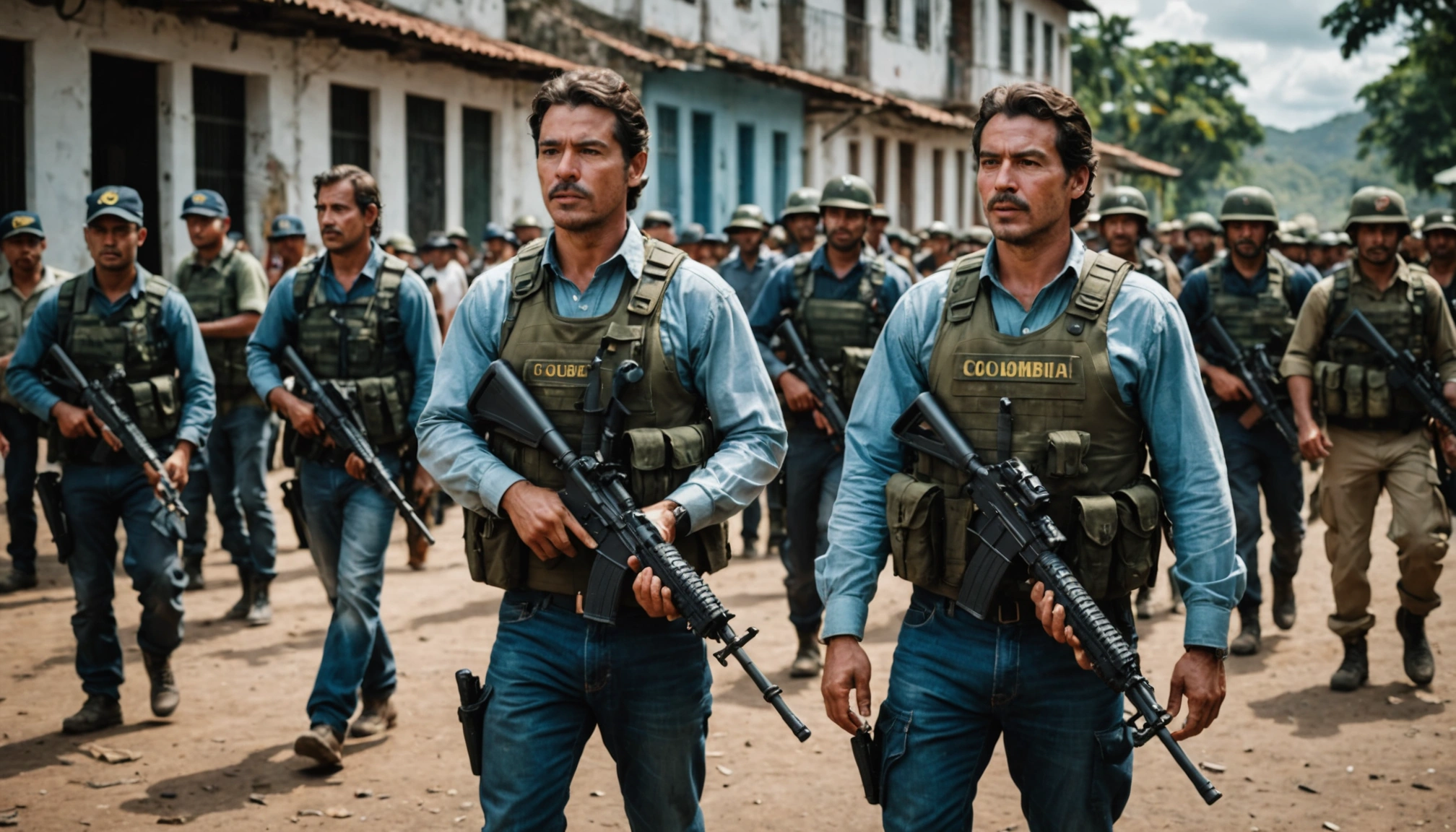
A significant step towards lasting peace in Colombia occurred this weekend as the rebel group known as the Commoners of the South initiated the handover of their weapons to the Colombian government. This move, overseen by the Defense Ministry, marks a crucial phase in ongoing peace talks aimed at the group's complete disarmament in the coming months. The development signals a potential breakthrough in the country's long-standing struggle with armed conflict.
A Step Towards Disarmament
Defense Minister Pedro Sanchez hailed the event as a "historic moment" during a ceremony held in Pasto, the capital of Nariño province. The Commoners of the South, a group of approximately 250 fighters, has been engaged in negotiations with the government since last year. The initial phase of the arms handover involved the surrender of land mines, grenades, and rockets, which were promptly destroyed by an army unit. This action directly addresses a major concern for local communities, as it eliminates the immediate threat of accidental encounters with these dangerous explosives.
Background of the Commoners of the South
Until recently, the Commoners of the South were affiliated with the National Liberation Army (ELN), a larger rebel group with an estimated 6,000 fighters that continues to wage war against the Colombian government. The decision by the Commoners of the South to break away from the ELN and pursue peace negotiations independently highlights a divergence in strategies and priorities within the broader rebel landscape. This splintering suggests a growing recognition among some factions that a negotiated settlement offers a more viable path forward than continued armed struggle.
Implications for Local Communities
The disarmament process holds profound implications for the communities in Colombia's southwestern Nariño province, where the Commoners of the South have been active. For years, these communities have lived under the shadow of armed conflict, facing threats of violence, displacement, and economic disruption. The removal of landmines, in particular, promises to alleviate a significant source of fear and insecurity, allowing farmers to cultivate their land without the constant risk of encountering these deadly devices. The hope is that this newfound security will pave the way for economic recovery and improved living conditions in the region.
The Broader Peace Process in Colombia
This recent development is part of a larger, multifaceted effort to achieve lasting peace in Colombia, a nation that has endured decades of internal conflict involving various rebel groups, paramilitary organizations, and drug cartels. The 2016 peace agreement with the Revolutionary Armed Forces of Colombia (FARC) marked a watershed moment in this process, leading to the demobilization of thousands of FARC fighters and their reintegration into civilian life. However, challenges remain, including the presence of ELN and other armed groups, as well as the ongoing threat of violence from criminal organizations. The success of the current peace talks with the Commoners of the South could serve as a positive example and create momentum for negotiations with other armed actors.
Challenges and Future Prospects
Despite the optimism surrounding the arms handover, significant challenges lie ahead. Ensuring the safety and security of the demobilized fighters will be crucial to prevent them from being targeted by rival groups or recruited into criminal organizations. The government will also need to address the underlying socio-economic factors that have fueled the conflict, such as poverty, inequality, and lack of access to education and employment opportunities. Furthermore, the ongoing negotiations with the ELN remain complex and uncertain, with no guarantee of a successful outcome. Nevertheless, the progress achieved with the Commoners of the South offers a glimmer of hope that a more peaceful and prosperous future is within reach for Colombia. The government has offered amnesty to members of the Commoners of the South if they surrender, hoping to avoid further conflict.
The initial arms handover included land mines, grenades and rockets. The army unit present at the ceremony destroyed the weapons.
Sources
Related Articles


Ratko Mladić, "Butcher of Bosnia" and Convicted War Criminal, Dies at 84
THE HAGUE, Netherlands – Ratko Mladić, the former Bosnian Serb military commander known as the "Butcher of Bosnia" and convicted of genocide, war crimes, and crimes against humanity, has died at the age of 84. Serbian...

Long-Awaited 9/11 Mastermind Trial Set for 2028, Decades After Attacks
GUANTANAMO BAY, Cuba – Nearly a quarter-century after the devastating terror attacks of September 11, 2001, a military judge has finally set a trial date for Khalid Sheikh Mohammed, the alleged mastermind behind the...