High Stakes Diplomacy: Trump Optimistic for Iran Deal Amidst Tehran's Deliberation
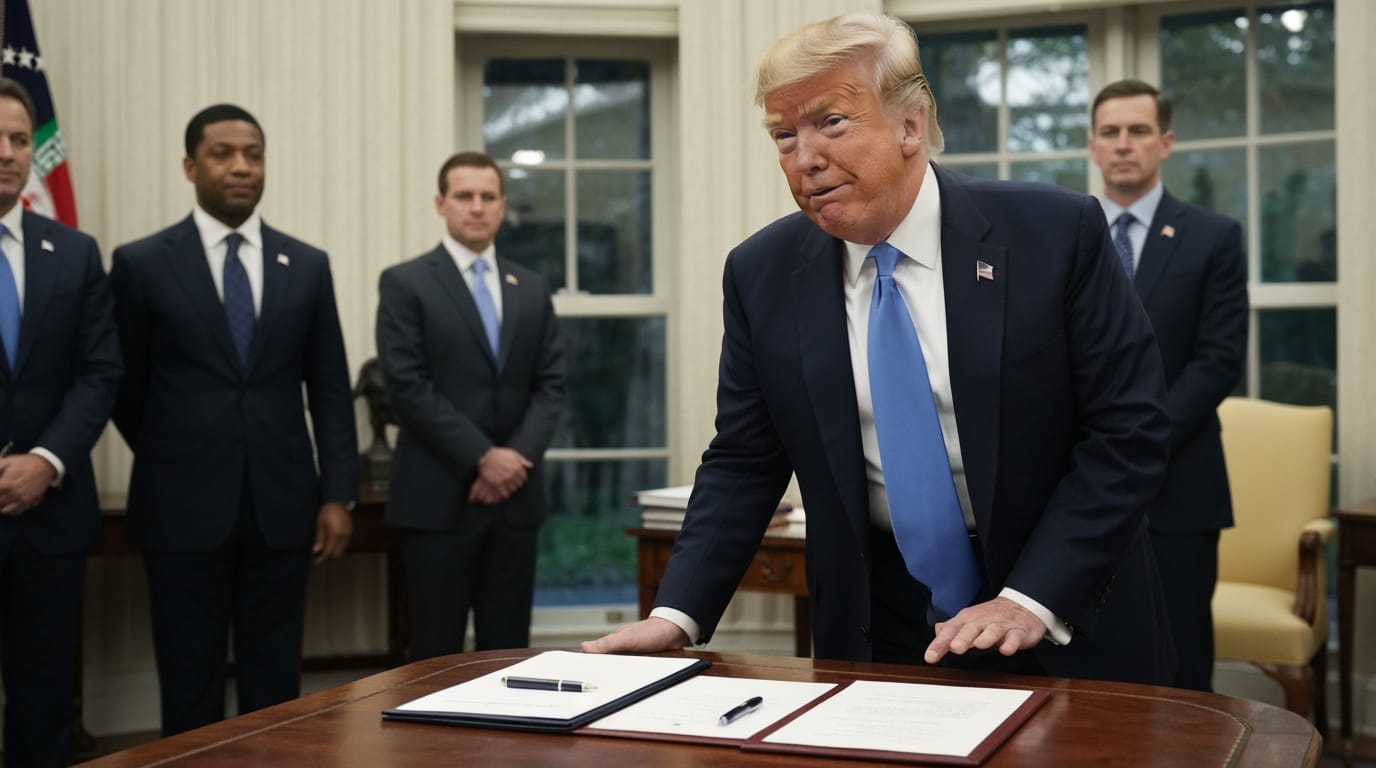
WASHINGTON, D.C. – Following a period of intense regional conflict, President Donald Trump has expressed considerable optimism regarding the imminent prospect of a new nuclear deal with Iran, signaling a potential breakthrough in one of the world's most intractable geopolitical standoffs. This renewed diplomatic push comes as Tehran reportedly reviews a U.S. proposal, with the outcome poised to reshape the future of the Middle East. Despite the President's upbeat assessment, Iranian officials have remained cautious, indicating internal deliberation over what remains a deeply contentious path forward.
A Glimmer of Hope After Conflict
The current diplomatic flurry follows a recent escalation of tensions, including reports of military actions that underscored the urgency of de-escalation. The United States and Iran have reportedly been negotiating, with Pakistan and Oman playing crucial mediating roles. President Trump stated that talks have been "very good" and that a deal is "very possible," suggesting significant momentum behind the scenes. The proposed framework under review is a "one-page memorandum of understanding" designed to formally end hostilities and establish a 30-day window for more detailed negotiations. Key elements on the table include reopening transit through the Strait of Hormuz, limiting Iran's nuclear program, and lifting U.S. sanctions. However, reports suggest that a definitive response from Tehran is still pending, highlighting the complexity and delicate nature of the ongoing discussions.
The Long Shadow of the First Term
This latest diplomatic effort under President Trump's second administration is set against the backdrop of his first term's "maximum pressure" campaign and the dramatic U.S. withdrawal from the Joint Comprehensive Plan of Action (JCPOA). The 2015 agreement, negotiated by the Obama administration, had placed significant verifiable restrictions on Iran's nuclear program—limiting uranium enrichment, centrifuge numbers, and stockpile size—in exchange for sanctions relief.
However, President Trump consistently criticized the JCPOA, labeling it a "disaster" and "the worst deal ever," arguing it did not sufficiently curb Iran's nuclear ambitions or address its ballistic missile program and regional activities. On May 8, 2018, the United States formally withdrew from the agreement, subsequently reimposing and expanding a comprehensive array of economic sanctions aimed at crippling Iran's economy and compelling it to negotiate a new, more stringent deal. This policy led to a drastic reduction in Iran's oil exports and foreign exchange reserves, severely impacting the nation's economy.
Tehran's Calculating Response
In the years following the U.S. withdrawal, Iran systematically began to breach the limits set by the JCPOA. By 2019, Iran had started increasing its uranium enrichment levels and expanding its stockpiles, actions it characterized as a response to the U.S. sanctions and a bid to pressure the remaining signatories to uphold their commitments. The country notably increased enrichment to 60% purity, a level far exceeding JCPOA limits and approaching weapons-grade material, while also deploying advanced centrifuges.
Tehran has consistently demanded the lifting of all U.S. sanctions as a precondition for any meaningful negotiations, emphasizing that it views uranium enrichment as an inalienable right. Iranian officials have often expressed skepticism about the sincerity of U.S. intentions, rejecting proposals that they believe aim to force their "surrender." Internally, reports suggest divisions within Iran's leadership regarding the optimal approach to the U.S. proposals, which could contribute to the delayed response.
Key Sticking Points and Global Stakes
The path to a new agreement remains fraught with significant hurdles. Fundamental disagreements persist over the scope and duration of any new deal. The U.S. has reportedly demanded Iran's complete dismantlement of its enrichment program, the transfer of its highly enriched uranium stockpile to a third country or the U.S., and the cessation of operations at underground nuclear facilities. Iran, conversely, has indicated a preference for a five-year suspension of nuclear activities, sharply contrasting with the American desire for a two-decade commitment.
Moreover, while the immediate focus is on ending current hostilities and nuclear curbs, the U.S. agenda for a comprehensive deal extends to Iran's ballistic missile program and its regional influence, issues Tehran views as non-negotiable aspects of its national security.
Internationally, reactions to the U.S.-Iran dynamic remain mixed. While allies like Israel and Saudi Arabia welcomed the initial U.S. withdrawal from the JCPOA and the "maximum pressure" strategy, European powers, along with Russia and China, consistently advocated for the preservation of the original deal and urged de-escalation. The potential for failure in these new negotiations carries immense risks, threatening to reignite widespread conflict and further destabilize an already volatile region. The stakes are profoundly high, making the current period of Iranian deliberation a critical moment for global security.


