Columbia University to Alter Policies Amidst Trump Administration Pressure
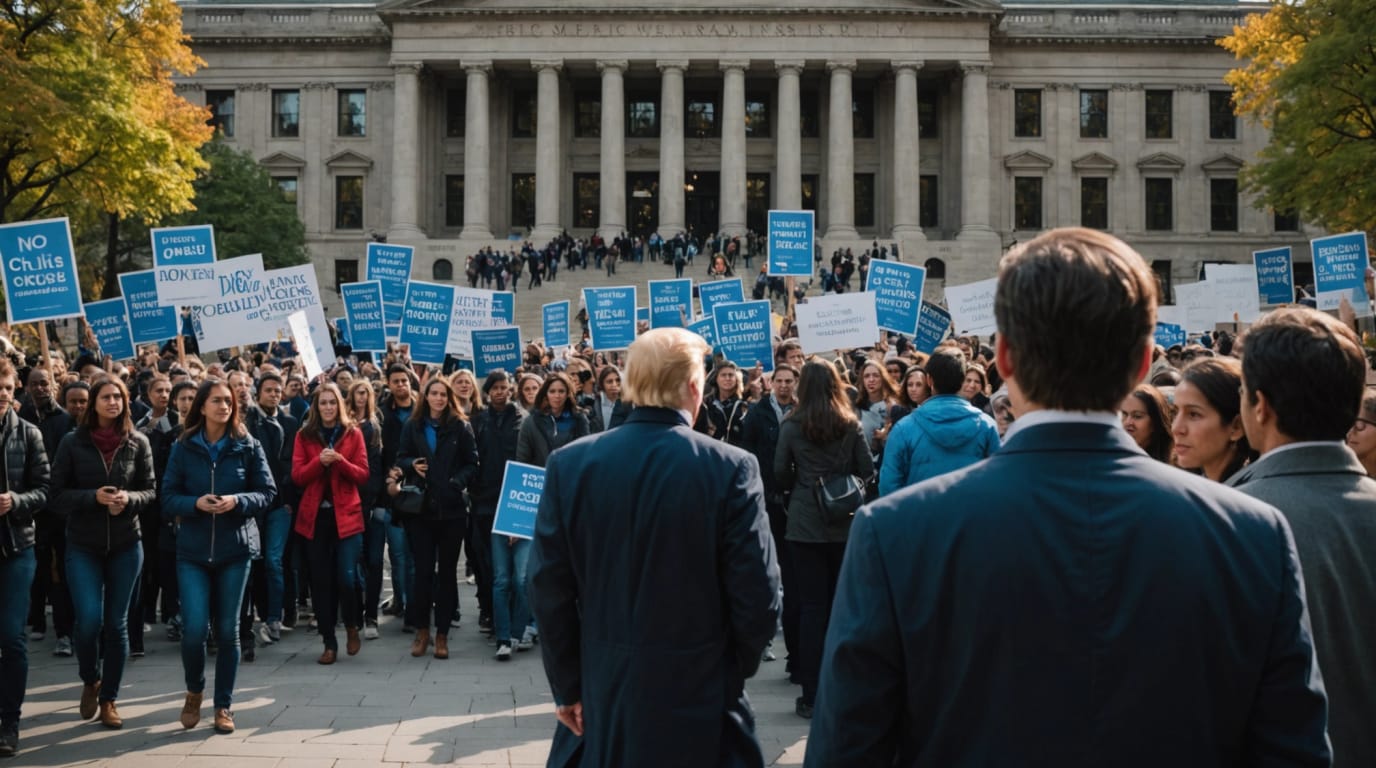
Columbia University has agreed to implement a series of policy changes under pressure from the Trump administration, marking a significant development in the ongoing debate over academic freedom and federal oversight of higher education. The changes, detailed in a letter from Interim President Katrina Armstrong, come after the administration threatened to withhold substantial federal funding from the university over allegations of antisemitism and the handling of protests related to the conflict in Gaza. The situation has ignited controversy, with some viewing the administration's actions as necessary to combat antisemitism, while others decry them as an unprecedented overreach that threatens academic independence.
Demands and Deadlines
The Trump administration's demands were delivered to Columbia in the form of an ultimatum: implement sweeping policy changes or risk losing billions of dollars in federal funding. The administration had already canceled $400 million in grants and contracts with Columbia, citing the university's alleged failure to protect Jewish students from harassment. Further cuts were threatened if the university did not comply with a list of demands that officials called a "precondition" for receiving federal money. These demands included placing the Middle Eastern, South Asian, and African Studies Department into "academic receivership," reorganizing disciplinary processes, banning masks on campus, adopting a new definition of antisemitism, and reforming undergraduate and graduate admissions practices. Columbia was given a tight deadline to comply, adding to the pressure on university leaders.
Columbia's Response
Faced with the prospect of crippling financial losses, Columbia has agreed to implement several of the requested changes. Interim President Armstrong outlined the university's plans in a letter, stating that Columbia would appoint a senior vice provost to conduct a thorough review of its regional studies programs, starting with the Middle East. The university also agreed to bar protests inside academic buildings and prohibit the wearing of face masks on campus for the purpose of concealing one's identity, with exceptions for health reasons. Columbia has also stated that it will adopt a definition of antisemitism, though the specific definition was not detailed. While pledging to "stand by its values," Armstrong's response indicates a willingness to cooperate with the Trump administration to avoid further financial penalties.
Academic Freedom Concerns
The Trump administration's intervention has sparked widespread concern among academics and free speech advocates. Critics argue that the demands represent an unprecedented level of federal control over university affairs, potentially chilling academic freedom and open inquiry. Putting an academic department under receivership, as demanded by the administration, is seen as a direct attack on academic independence and a violation of the First Amendment. Some legal scholars argue that the administration's actions exceed its authority and violate due process rights. The American Council on Education has condemned the administration's demands as obliterating the boundary between institutional autonomy and federal control. Faculty members at Columbia Law School issued a legal analysis arguing that the Trump administration's letter violates Title VI standards, First Amendment protections, and due process rights.
Broader Implications
Columbia is not the only university facing scrutiny from the Trump administration. The Education Department is investigating numerous colleges and universities for alleged antisemitism, and has sent notices to institutions regarding their diversity, equity, and inclusion (DEI) programs. The administration has also suspended federal funding for the University of Pennsylvania over a transgender swimmer who last competed for the school in 2022. These actions suggest a broader effort to exert federal influence over higher education policy, particularly in areas related to civil rights, diversity, and academic freedom. The outcome of the Columbia case could set a precedent for future government intervention in university affairs, potentially reshaping the landscape of higher education in the United States.
Balancing Act
Columbia's leaders face a difficult balancing act. On one hand, they must protect the university's financial interests and ensure its continued ability to conduct research and provide educational opportunities. On the other hand, they must defend the principles of academic freedom and institutional autonomy, resisting government overreach and protecting the rights of students and faculty. The university's response to the Trump administration's demands will have far-reaching consequences, not only for Columbia but for the entire higher education community. As Columbia navigates this challenging situation, it must carefully consider the potential impact of its decisions on its mission, its values, and its role in society.


