COP30: A City in Transformation Navigates Global Climate Spotlight
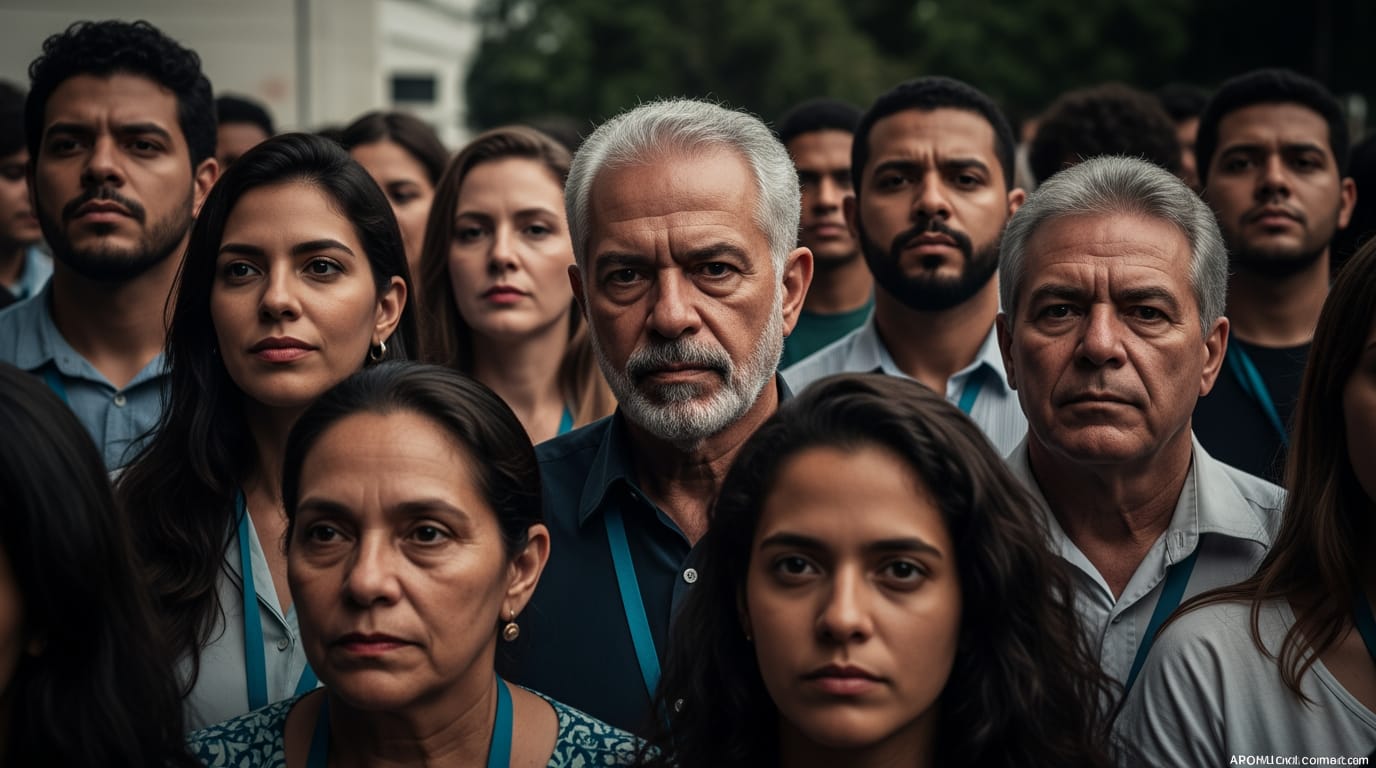
Belém, Brazil – The bustling Amazonian metropolis of Belém recently hosted the 30th United Nations Climate Change Conference (COP30) from November 10 to 21, 2025, an event that placed the city at the epicenter of global climate discussions and brought with it a whirlwind of change, expectation, and contentious debate for its 1.4 million residents. Positioned at the mouth of the Amazon River, Belém offered a unique backdrop for the summit, symbolizing the direct impact of climate change on vulnerable ecosystems and communities. The conference, often dubbed the "Indigenous Peoples' COP," aimed to center the voices of those living at the forefront of the climate crisis, though its legacy in the city itself remains a complex tapestry of progress and unfulfilled promises.
The Amazon's Crucible: A Global Stage
Brazil's selection of Belém as the host city underscored an intention to ground the climate talks in the reality of the Amazon rainforest, a critical global carbon sink. For two weeks, the city welcomed thousands of delegates, world leaders, activists, and observers, turning its streets into a focal point for international diplomacy and environmental advocacy. This move was celebrated by some as a crucial step in bringing the climate crisis out of conference rooms and into the "heart of the crisis itself," providing an opportunity for global leaders to witness firsthand the challenges faced by Amazonian communities. President Lula da Silva reportedly transferred the Brazilian national capital to Belém for the duration of the summit, underscoring the event's national significance.
Infrastructure Overhaul and Enduring Challenges
In preparation for COP30, Belém underwent a rapid, multi-million dollar transformation, seeing substantial investments exceeding BRL 4 billion (approximately USD 722 million) in urban development, mobility, sanitation, and hospitality infrastructure. A significant achievement was the opening of a new water treatment facility in October, a critical development given that, previously, less than 4% of the city's sewage was treated, and only 20% of residents had access to a municipal sewerage network. Infrastructure projects aimed to protect flood-prone neighborhoods and clean canals, while the public transportation system saw the addition of 265 new buses equipped with air conditioning and Wi-Fi.
Despite these visible improvements, deeply entrenched urban challenges persist. Belem is grappling with the immediate effects of a warming planet, having experienced 212 days of extreme heat (37.3°C, or 99°F) in the past year alone, making it one of the hottest cities in Brazil. The city, much of which lies below sea level, remains vulnerable to severe flooding during heavy rains coinciding with high tides. Basic sanitation infrastructure is still minimal for a large portion of the population, with approximately 60% of residents living in informal settlements known as favelas, and traffic congestion remains a significant problem.
One of the most contentious aspects of the preparations was the construction of the Avenida Liberdade, a four-lane highway. Critics argued that this project, cutting through protected rainforest, exemplified a paradox where environmental concerns were sidelined for development, raising questions about the credibility of hosting a climate conference while impacting the very ecosystem it aimed to protect.
Local Hopes and Indigenous Voices
The people of Belém hold mixed views on the long-term impact of COP30. For many, the conference symbolized a "leap of at least 10 years" for the city, bringing much-needed advances and attracting global attention to Pará's rich culture, including its Afro-Indigenous cuisine and traditional Carimbó dancing. Local businesses, from street vendors to hoteliers, reported increased sales and a boost in activity.
However, the sentiment was not universally optimistic. Some residents viewed the infrastructural upgrades as superficial, merely "makeup" for a city struggling with fundamental issues, fearing that deeper problems would remain unaddressed once the international spotlight faded.
Indigenous communities, whose territories represent crucial bulwarks against deforestation, played a prominent role at COP30, participating in protests and dialogues to ensure their voices were heard. Over 2,500 Indigenous peoples attended the summit, supported by initiatives like the Peoples' Circle, an advisory body designed to highlight their perspectives. While the conference yielded some significant wins, such as the explicit recognition of Indigenous rights, land rights, and traditional knowledge in at least three COP documents, many Indigenous representatives expressed disappointment. Concerns about "tokenism" were prevalent, with some leaders feeling "visible but not empowered" and arguing that the talks fell short of delivering true action on issues affecting their communities, particularly on phasing out fossil fuels and achieving a global roadmap to end deforestation. A significant pledge of $1.8 billion was made to support Indigenous land rights, but questions arose about ensuring these funds directly reach Indigenous-led initiatives, rather than being diluted by broader "local communities" classifications.
Key Outcomes and Lingering Disappointments
COP30 saw the adoption of the "Global Mutirão" decision, a package of agreements that included a political signal to triple adaptation finance by 2035. Brazil also launched its "Tropical Forests Forever Facility," an ambitious initiative aiming to secure $125 billion to reward countries for conserving their tropical forests, with $6.6 billion already pledged at the conference. Other key outcomes included the launch of the "Belém Declaration on Global Green Industrialization" and the "Belém Health Action Plan," along with an agreement on 59 global indicators for tracking adaptation progress. The "Baku to Belém Roadmap to 1.3T" was also introduced, seeking to mobilize $1.3 trillion annually by 2035 to support climate action in developing countries.
However, the final text of COP30 largely disappointed environmental groups and some nations by failing to establish a binding roadmap for phasing out fossil fuels and deforestation, a critical point of contention. While Brazil, as the COP30 presidency, indicated it would develop its own roadmaps on these issues, the absence of a global consensus highlighted the ongoing divisions among nations regarding the urgency and mechanisms for transitioning away from fossil fuels.
A Legacy of Hope and Scrutiny
As the international delegates depart, Belém is left to reconcile the promises and realities of hosting a global climate summit. The infrastructural advancements and increased global recognition are undeniable, offering a glimpse into a potentially more resilient future for some aspects of the city. Yet, the persistent issues of inadequate sanitation, extreme heat, and urban flooding, coupled with the environmental compromises made during preparation, underscore the immense challenges that remain. For the people of Belém, COP30 represents a critical juncture—a moment when their city became a microcosm of the global climate struggle, highlighting both the opportunities for progress and the profound hurdles that still lie ahead in the fight for a truly just and sustainable future. The lasting legacy for Belém will be determined not just by the agreements made within the conference halls, but by the tangible, long-term improvements in the daily lives of its citizens and the continued protection of the surrounding Amazon.