COP30 Concludes Without Explicit Fossil Fuel Phase-Out Roadmap Amidst Global Divisions
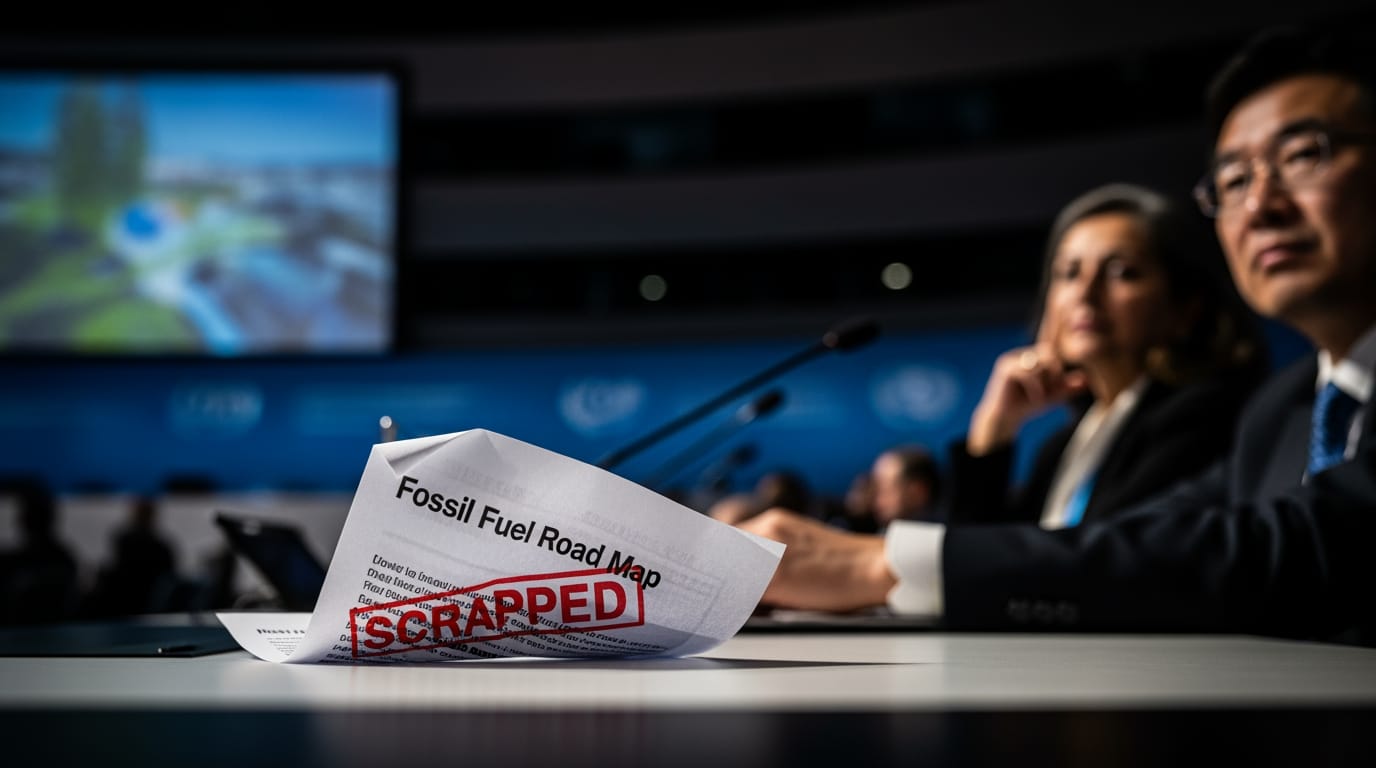
Belém, Brazil – The United Nations Climate Change Conference, COP30, has concluded in Belém, Brazil, delivering a final agreement that notably omits an explicit roadmap for phasing out fossil fuels. This outcome, reached after two weeks of intense negotiations, highlights the deep and often fractious divisions among nations regarding the future of coal, oil, and gas, leaving many climate advocates and participating countries expressing disappointment over the lack of a clear, unified path forward in the global energy transition.
The absence of a dedicated fossil fuel phase-out roadmap in the "Global Mutirão" decision, the formal outcome document of COP30, marks a contentious point in international climate diplomacy. While an earlier draft text had included language suggesting an option to begin work on such a roadmap, this provision was ultimately removed, reflecting the formidable opposition encountered during the final stages of the summit. This development signals a complex landscape for future climate action, shifting much of the immediate responsibility for fossil fuel transition to national policies and voluntary initiatives rather than a universally agreed-upon global strategy.
The Battleground of Interests: Proponents and Opponents
The debate surrounding the fossil fuel roadmap at COP30 exposed a stark ideological chasm between nations. A substantial coalition of over 80 countries, including members of the European Union, the United Kingdom, Australia, Colombia, and vulnerable Pacific Island states, ardently championed the inclusion of robust language calling for a structured transition away from fossil fuels. These nations viewed the roadmap as a crucial mechanism to accelerate the shift towards cleaner energy sources and keep the aspirational 1.5 degrees Celsius global warming limit within reach, with some declaring it a "red line" for the talks.
Conversely, a powerful bloc of oil-producing countries vehemently opposed any explicit mention of a fossil fuel phase-out or a specific roadmap within the final text. Led by nations such as Saudi Arabia, Russia, and their allies, including Iran, Bolivia, and Egypt, this group exerted significant pressure, arguing that such commitments could undermine national sovereignty over natural resources and impede economic development. The consensus-based nature of COP negotiations means that even a single dissenting voice can prevent the adoption of specific language, ultimately leading to the removal of the contentious fossil fuel provisions from the "Global Mutirão" decision. This delicate balance of interests illustrates the intricate geopolitical dynamics that continue to shape global climate policy, often prioritizing short-term economic concerns over long-term environmental imperatives.
Voluntary Paths and the "Roadmap to a Roadmap"
In the wake of the contentious negotiations, COP30 President André Corrêa do Lago acknowledged the differing ambitions among parties and announced efforts to advance the fossil fuel transition outside the formal decision text. Brazil, the host nation, has committed to leading the development of two voluntary "presidency roadmaps": one focused on transitioning away from fossil fuels and another on halting and reversing deforestation. These initiatives, intended to report back at COP31, represent a pragmatic attempt to maintain momentum on these critical issues despite the formal agreement's limitations.
Further demonstrating a commitment to continued action, an international conference specifically dedicated to the phase-out of fossil fuels is slated to be held in Colombia in April 2026. This independent gathering aims to foster collaboration among willing nations to develop concrete strategies. The COP30 agreement also saw the launch of a "Global Implementation Accelerator (GIA)" and the "Belém Mission to 1.5," both designed to bolster ambition and action on Nationally Determined Contributions (NDCs). Additionally, the establishment of a "just transition mechanism" was welcomed by many, aiming to ensure that the shift away from polluting industries supports workers and communities into new, cleaner jobs. These parallel initiatives signify a growing recognition that progress on fossil fuel reduction may increasingly occur through coalitions of willing countries and voluntary commitments, rather than solely through comprehensive, universally agreed-upon UN climate frameworks.
Implications for Global Climate Action
The outcome of COP30 underscores a widening global divide in the approach to climate change, particularly concerning fossil fuels. While the conference concluded with renewed calls for expanded climate finance, strengthened transparency systems, and increased support for developing countries, the inability to secure an explicit fossil fuel phase-out roadmap signals a significant challenge for the ambition set by the Paris Agreement. Critics argue that omitting direct reference to the primary driver of climate change weakens the collective resolve required to limit global heating to 1.5 degrees Celsius.
This shift in focus toward national-level decision-making and voluntary frameworks places increased importance on individual countries to develop and implement robust energy transition policies. For high energy-consuming companies, the COP30 outcome suggests an evolving and varied policy landscape, necessitating adaptability in energy procurement, risk assessment, and long-term sustainability strategies. Despite the formal omission, the sustained pressure from numerous nations and civil society groups ensures that the debate over fossil fuels remains central to the climate agenda, albeit now navigating a more fragmented and complex diplomatic terrain. The next round of UN climate talks will likely grapple with the operationalization of these voluntary commitments and the ongoing efforts to bridge the fundamental disagreements exposed in Belém.
Conclusion
The COP30 climate summit in Belém, Brazil, concluding its tenth anniversary since the Paris Agreement, presented a mixed bag of results, marked by both limited advancements and significant setbacks. While progress was made on critical areas such as adaptation finance and establishing a just transition mechanism, the absence of an explicit roadmap for phasing out fossil fuels from the final "Global Mutirão" decision stands as a stark reminder of the persistent global contention surrounding climate action. This outcome reflects the immense geopolitical pressures and conflicting national interests that continue to challenge multilateral efforts to address the climate crisis head-on. The decision to pursue voluntary roadmaps outside the official text, spearheaded by the Brazilian presidency and supported by other nations, may offer alternative pathways for progress. However, the true impact of COP30 will ultimately hinge on the willingness of individual nations to translate these voluntary commitments into decisive national policies and actions, navigating a world increasingly grappling with the urgent need to transition away from fossil fuels amidst deeply entrenched economic and political dependencies.