COP30 Convenes Amid Soaring Temperatures and Mounting Climate Urgency
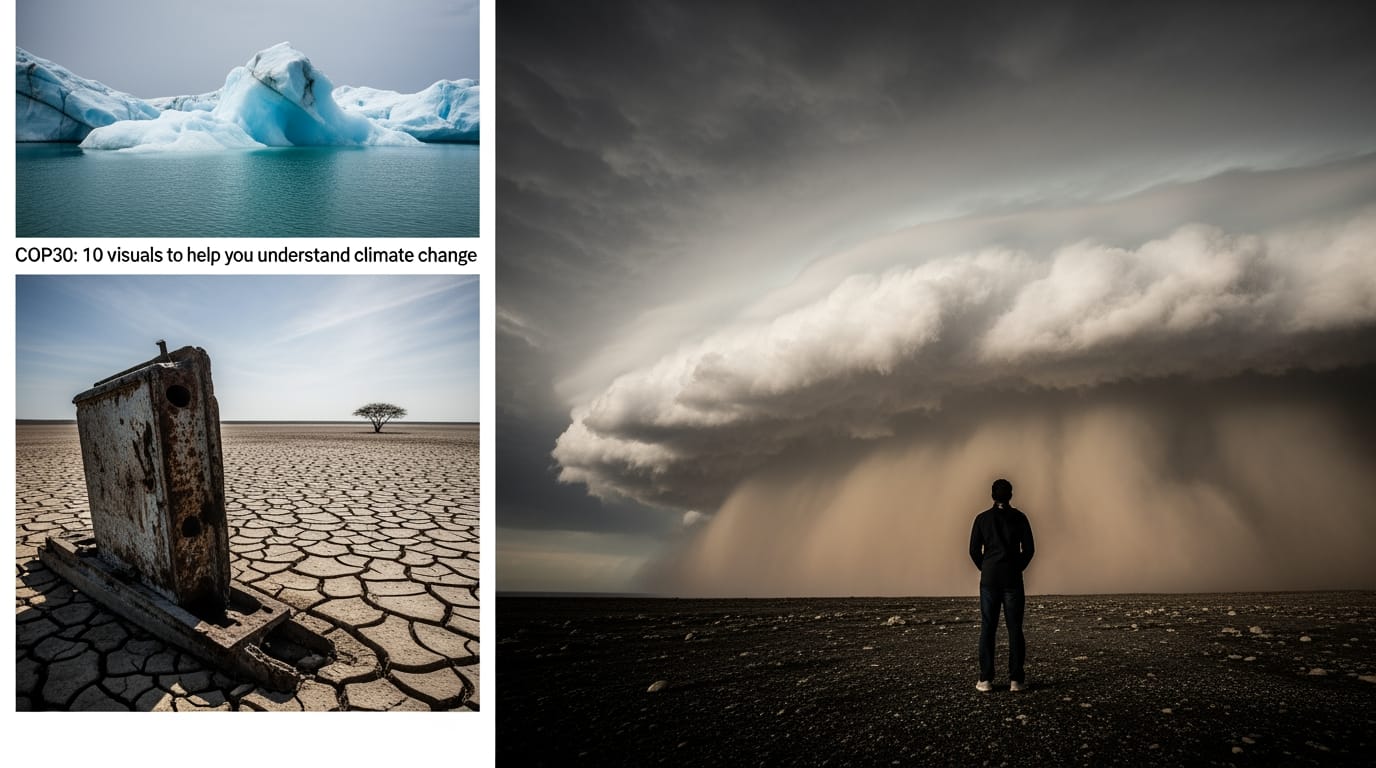
BELÉM, Brazil — The 30th Conference of the Parties (COP30) to the United Nations Framework Convention on Climate Change concluded recently in Belém, Brazil, against a backdrop of stark scientific warnings and an increasingly palpable climate crisis. Delegates gathered in the heart of the Amazon, a critically important ecosystem for global climate regulation, tasked with translating ambitious pledges into concrete action as the planet experiences unprecedented warming and extreme weather events intensify worldwide. The summit, branded by the Brazilian presidency as the "COP of implementation," aimed to accelerate delivery on the 2015 Paris Agreement, ten years after its inception.
The Alarming Trajectory of a Warming Planet
The scientific consensus regarding anthropogenic climate change has never been clearer, with data illustrating a rapid and concerning acceleration of planetary warming. Since 1850, Earth's average temperature has risen by approximately 2 degrees Fahrenheit (1.1 degrees Celsius), with an average increase of 0.11 degrees Fahrenheit (0.06 degrees Celsius) per decade. However, this rate has tripled since 1975, accelerating to 0.36 degrees Fahrenheit (0.20 degrees Celsius) per decade. The implications of this acceleration are already evident: the ten warmest years on record have all occurred within the last decade, from 2015 to 2024, with 2024 itself marking the warmest year in recorded history. Global average surface temperature in 2024 stood at 2.32 °F (1.18 °C) above the 20th-century average and 2.62 °F (1.35 °C) above the pre-industrial average (1850-1900).
A primary driver of this warming is the escalating concentration of greenhouse gases in the atmosphere, particularly carbon dioxide (CO2). Pre-industrial levels in the late 1700s averaged 280 parts per million (ppm). By 2023, this figure had surged to 419 ppm, representing a 49% increase. The trend continued into 2024, with the global average atmospheric CO2 reaching a new record high of 422.8 ppm, accompanied by the largest one-year increase on record at 3.75 ppm. These levels are unprecedented in the last 800,000 years, and human emissions are unequivocally identified as the primary cause of this drastic rise.
Compounding the temperature increases, global mean sea level has risen significantly, by approximately 8 to 9 inches (21-24 centimeters) since 1880. The rate of this rise has also accelerated dramatically, more than doubling from 0.06 inches (1.4 millimeters) per year throughout much of the 20th century to 0.14 inches (3.6 millimeters) per year between 2006 and 2015. More recent satellite data from 2013-2022 shows an acceleration to 4.62 millimeters per year. This sea level rise is largely attributed to the melting of glaciers and ice sheets (44%) and the thermal expansion of ocean water as it warms (42%). These changes threaten coastal communities globally with increased flooding and erosion.
A World Reshaped by Extreme Weather
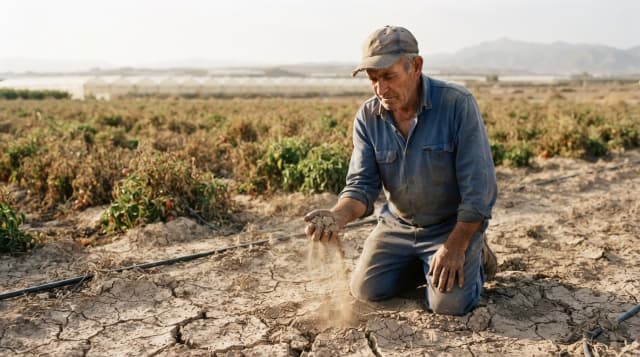
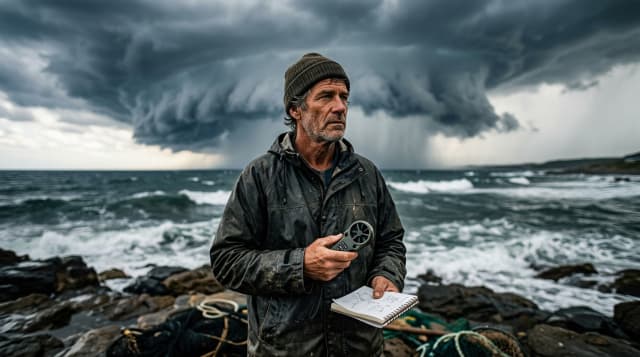
Beyond gradual shifts in temperature and sea level, a critical consequence of a warming climate is the increasing frequency and intensity of extreme weather events. Scientists and meteorological organizations confirm a dramatic rise in the severity of events such as droughts and floods over the past five years, with recent figures reaching double the average seen between 2003 and 2020. Heat waves, heavy downpours, and major hurricanes have also become more prevalent and powerful, particularly in regions like the United States.
The Intergovernmental Panel on Climate Change (IPCC)'s Sixth Assessment Report in 2021 explicitly states that the human-caused increase in greenhouse gases has directly contributed to this escalation in extreme weather events. Record-breaking heat waves, severe floods, prolonged droughts, intense wildfires, and widespread coastal flooding during hurricanes are all becoming more common and more intense. While the unpredictability of these events poses challenges, attribution science is increasingly able to link specific extreme weather occurrences to human influence, demonstrating how climate change makes them more likely or severe. The economic impact is also severe, with a growing number of "billion-dollar disasters" reflecting the immense costs to societies and economies.
COP30 in Belém: A Crossroads for Action
The selection of Belém, Brazil, a city situated at the gateway to the Amazon rainforest, as the host for COP30 underscored the critical role of natural ecosystems in climate mitigation and adaptation. The Amazon, often referred to as the "lungs of the Earth," faces immense pressures from deforestation and unsustainable practices. This geographical context brought issues of forest conservation, sustainable land management, and indigenous rights to the forefront of the negotiations.
The summit's agenda was broad but focused on actionable outcomes. Key areas of discussion included the consistent implementation of a global energy transition, innovative climate financing mechanisms, enhanced conservation of endangered rainforests, the development of sustainable supply chains, and improved strategies for adapting to the unavoidable impacts of climate change. A significant part of the agenda also involved reviewing the new Nationally Determined Contributions (NDCs) from signatory states for the period up to 2035, a decade after the landmark Paris Agreement.
Navigating Progress and Persistent Challenges
Despite the urgent global context, COP30 saw a mix of notable advancements and persistent stalemates. A significant achievement was the agreement to triple finance for climate adaptation, with developed countries pledging $120 billion annually to support developing nations in adapting to climate change effects by 2035. This commitment, while welcomed, was viewed by some developing countries as insufficient and delayed, as the original target was for 2030.
Forests and land use received considerable attention, particularly given the Amazonian setting. Brazil launched its "Tropical Forest Forever Fund" at the leaders' summit, aiming to "reward" countries that actively conserve their tropical forests. This initiative garnered support from 53 countries and raised $6.6 billion in its initial phase, with a long-term goal of securing $125 billion for forest protection. Several other forest pledges and initiatives were also announced, aiming to halt deforestation which accounts for approximately a tenth of global emissions.
Indigenous peoples played an unprecedented role at COP30, with around 3,000 members of traditional communities participating in the debates—the largest indigenous presence in the conference's history. Recognizing their crucial stewardship of critical ecosystems, Brazil also announced the creation of ten new Indigenous territories during the summit, one of which encompasses over 78% of the Amazon National Park. Furthermore, culture and heritage were formally integrated into the COP30 Action Agenda for the first time, signaling a growing recognition of their role in climate solutions.
However, the summit also faced significant hurdles. Efforts to include a clear roadmap for phasing out fossil fuels in the core negotiated agreement were ultimately unsuccessful. Opposition from several nations, particularly major petrostates, led to the exclusion of this critical commitment from the final text, known as the "global mutirão decision." While the Brazilian presidency indicated its intent to pursue roadmaps for fossil fuels and deforestation outside of the formal COP talks, this outcome highlighted the deep divisions that continue to impede decisive action on the root causes of climate change. The overall consensus among observers was that while cooperation continued, the final agreement's language on fossil fuel phase-out remained weak.
The Unfinished Work of Global Climate Action
COP30 in Belém served as a crucial check-in on the world's progress, or lack thereof, in addressing the climate crisis. While significant steps were made in areas such as adaptation finance, forest conservation, and the recognition of indigenous peoples and culture, the contentious issue of fossil fuel phase-out underscored the immense political and economic challenges that persist. The scientific data continues to paint an increasingly urgent picture of a planet under stress, demanding accelerated action far beyond current commitments. As the global community looks towards future COPs, the imperative remains to bridge divides, strengthen ambition, and translate pledges into the tangible, transformative changes necessary to secure a livable future.