Counterfeit Crisis: Fake Ozempic and Zepbound Flood Global Markets, Posing Dire Health Risks
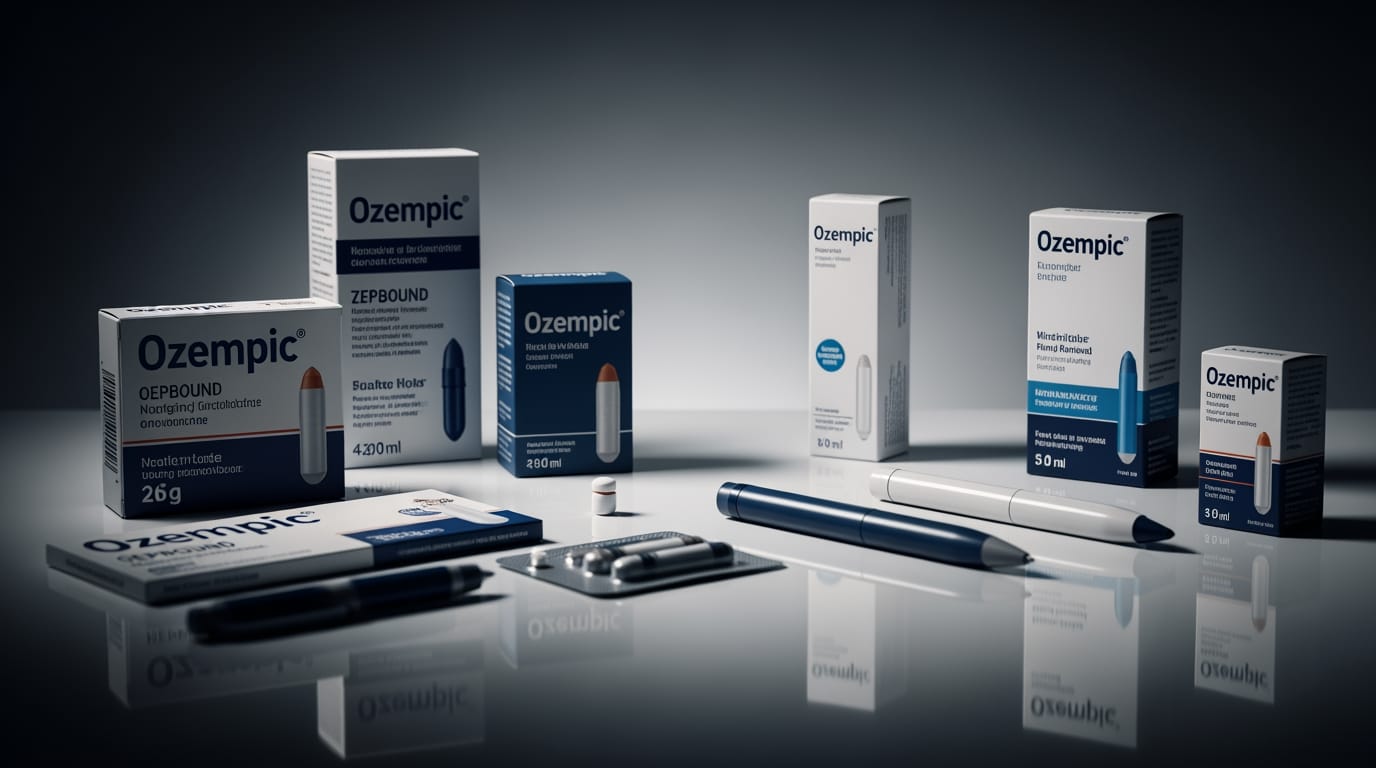
The booming popularity of revolutionary weight-loss and diabetes medications, such as Ozempic and Zepbound, has inadvertently fueled a dangerous surge in counterfeit versions across high-income countries, putting countless individuals at severe health risk. Driven by insatiable demand, high costs, and limited supply, an illicit market has rapidly expanded online and through unregulated channels, pushing unverified and potentially lethal products into the hands of unsuspecting consumers globally. The proliferation of these fake drugs, which often contain incorrect ingredients, harmful substances, or no active compounds at all, represents a critical public health emergency.
The Alarming Rise of Counterfeit Weight Loss Medications
The pharmaceutical landscape has been dramatically reshaped by the emergence of GLP-1 receptor agonists like semaglutide (marketed as Ozempic and Wegovy) and tirzepatide (marketed as Zepbound and Mounjaro). Initially developed for type 2 diabetes treatment, these medications gained widespread recognition for their significant weight-loss benefits, leading to an explosion in demand that has often outstripped legitimate supply. Celebrities and social media influencers further amplified their appeal, contributing to a perception of these drugs as a lifestyle or vanity product rather than a highly regulated treatment for clinical conditions.
This unprecedented demand, coupled with the medications' high price tags—often exceeding $1,000 per month in the U.S. and rarely covered by insurance for weight loss alone—created a fertile ground for illicit operations. Criminal networks quickly capitalized on these factors, manufacturing and distributing counterfeit versions. Reports indicate that hundreds of fake online pharmacies and social media platforms are actively hawking these unapproved drugs, making them alarmingly accessible to consumers seeking cheaper alternatives or bypassing prescription requirements. The problem is global, with counterfeit Ozempic and Zepbound detected in the United States, the United Kingdom, Brazil, and across Europe, the Americas, and the Middle East. Cybersecurity firms have identified and worked to shut down hundreds of websites engaged in these illegal sales, with over 90% of observed counterfeit metabolic drug sales related to GLP-1s.
The Perilous Reality: Grave Health Risks
The allure of cheaper prices for these highly sought-after drugs masks a grim reality: counterfeit medications pose profound and often life-threatening health dangers. Unlike genuine pharmaceuticals that undergo rigorous testing for safety, efficacy, and quality, fake versions are produced in unregulated environments without any quality control.
Analysis of seized counterfeit products has revealed a disturbing array of contents. Some contain no active pharmaceutical ingredient, rendering them entirely ineffective, which can be particularly perilous for individuals relying on them for diabetes management. More alarmingly, others contain incorrect or dangerous substances. For example, counterfeit Ozempic pens have been found to contain insulin glargine instead of semaglutide. This can lead to dangerously low blood sugar levels, or hypoglycemic shock, characterized by confusion, trembling, heart palpitations, and sweating, potentially resulting in coma or seizures, especially in non-diabetic users. Other harmful substances, such as antifreeze or bacteria, have also been identified in these illicit products. The World Health Organization has also warned about drugs containing sibutramine, an appetite suppressant banned in many countries due to its increased risk of heart attacks and strokes.
Beyond the chemical composition, the manufacturing process itself carries significant risks. Counterfeit injections are often produced in non-sterile conditions, increasing the likelihood of bacterial contamination and serious infections at the injection site, including redness, swelling, pain, fever, and potentially sepsis. Furthermore, the injection devices themselves can be counterfeit, with analyses revealing fake needles that cannot guarantee sterility, exacerbating the risk of infection. Numerous reports document severe adverse events, including hospitalizations, kidney failure, and other adverse reactions, linked to the use of these fake drugs.
The Regulatory Battle and Consumer Vulnerabilities
Health authorities worldwide are sounding alarms over the escalating counterfeit drug crisis. The World Health Organization (WHO) has issued global warnings regarding falsified GLP-1 medications, noting that batches have been detected in various countries. Similarly, the U.S. Food and Drug Administration (FDA) and the European Medicines Agency (EMA) have released alerts concerning unapproved and illicit GLP-1 drugs, highlighting risks associated with products that bypass official review processes. State attorneys general across the U.S. have also cautioned consumers about the dangers of these counterfeit weight loss drugs, emphasizing the risks of foreign contents and urging the FDA to intensify enforcement efforts.
In response, regulatory bodies and law enforcement agencies have stepped up their efforts. U.S. Customs and Border Protection has intercepted significant shipments of counterfeit Ozempic, with seizures valued at hundreds of thousands of dollars. Cybersecurity firms, working with pharmaceutical companies, have facilitated the takedown of hundreds of websites peddling fake weight loss drugs. The FDA has also issued warning letters to online pharmacies found to be distributing illegally marketed semaglutide and tirzepatide products.
However, the battle against counterfeiting is complex. The Drug Supply Chain Security Act (DSCSA) in the U.S., designed to trace prescription drugs, is not yet fully effective, and the electronic prescription tracking system has faced delays. Compounded versions of GLP-1 drugs, which are not FDA-approved and exempt from the DSCSA, also present a loophole, with numerous adverse event reports linked to dosing errors or misrepresentation of ingredients. Moreover, identifying the manufacturers of these elusive counterfeit drugs remains a significant challenge, hindering patent holders' ability to pursue legal recourse.
Consumers often fall victim due to several factors, including the high cost of legitimate medications, their appeal to social media trends, and the ease with which unprescribed drugs can be purchased online. Online sellers frequently mimic reputable pharmacies, using deceptive tactics like copying branding and logos and offering tempting discounts, making it difficult for the average person to discern authentic from fake. A survey in the UK found that more than one in five users obtained weight-loss drugs without a prescription, often through online marketplaces or social media.
Protecting Public Health: A Call for Vigilance
Amid this escalating crisis, safeguarding public health requires a multi-faceted approach centered on consumer awareness and stringent adherence to legitimate medical channels. Health authorities and medical professionals uniformly advise individuals to obtain Ozempic, Zepbound, and similar medications exclusively through valid prescriptions from trusted physicians and licensed, state-regulated pharmacies.
Consumers should be highly suspicious of unusually low prices, vague product information, or any offer that does not require a prescription. Red flags include poor print quality or misspellings on labels, unfamiliar packaging, and claims of "too good to be true" deals. Verifying the authenticity of an online pharmacy by checking for verified contact information, secure payment methods, and accreditation from regulatory bodies is crucial. Any adverse events or suspected counterfeit products should be immediately reported to regulatory agencies like the FDA. Ultimately, education and vigilance are the strongest defenses against the deceptive and dangerous trade in counterfeit weight loss drugs.
The appeal of rapid weight loss and diabetes management offered by GLP-1 agonists is undeniable, but the shadow cast by counterfeit versions poses an urgent and severe threat. As demand continues to climb, the illicit market will likely persist in its attempts to exploit vulnerabilities. For individuals seeking these treatments, prioritizing safety by sourcing medications through established, legitimate healthcare pathways is not merely a recommendation but a critical imperative to prevent potentially catastrophic health consequences. The collective effort of regulators, pharmaceutical companies, healthcare providers, and informed consumers is essential to combat this dangerous trend and protect lives.