Croatia Reinstates Military Conscription After 17 Years Amid Rising Regional Tensions
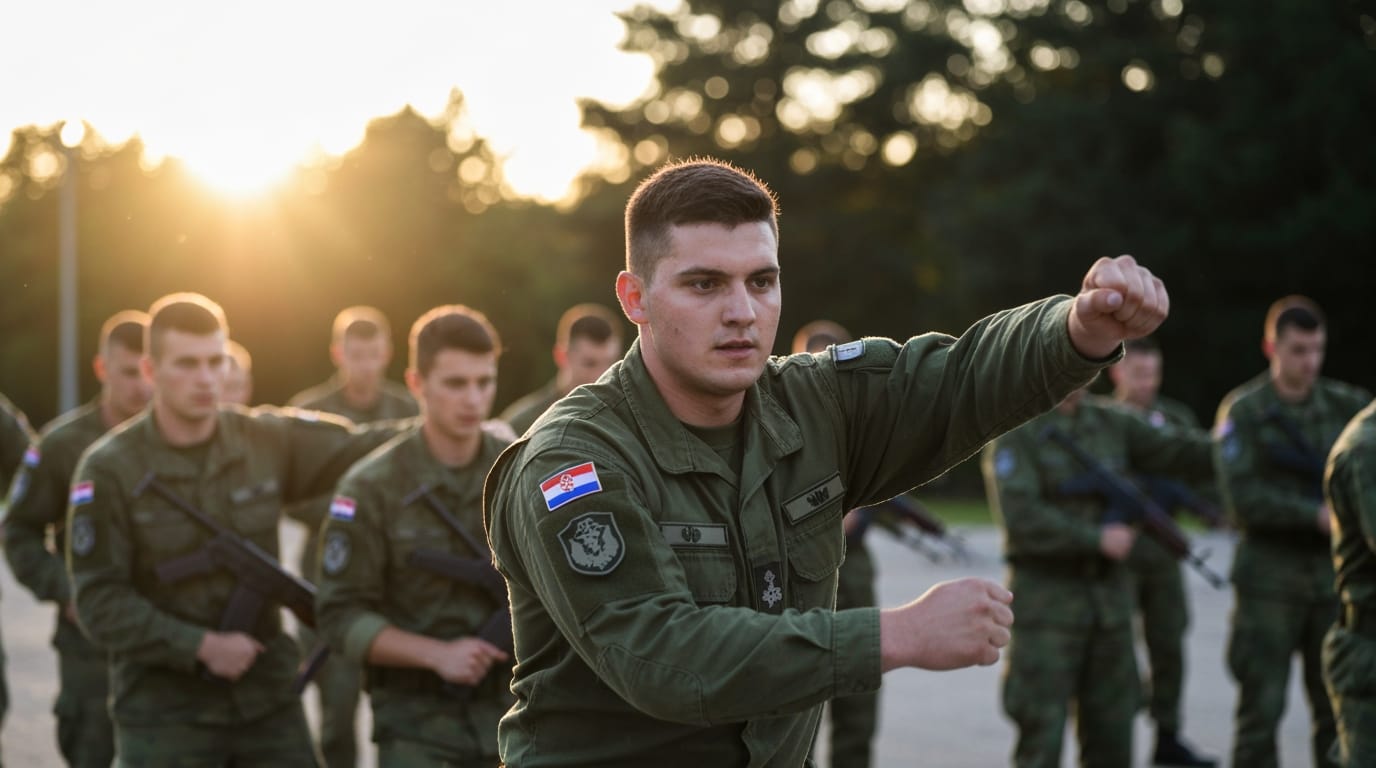
ZAGREB, Croatia – Seventeen years after suspending mandatory military service, Croatia's parliament has voted to reinstate conscription, a move that signals heightened security concerns across Europe and within the volatile Balkan region. The decision, approved in late October 2025, will see young men called up for basic military training starting January 1, 2026, reflecting a significant policy shift aimed at bolstering national defense capabilities and civilian preparedness.
The reintroduction of compulsory service comes against a backdrop of escalating geopolitical instability, particularly the ongoing conflict in Ukraine and a perceived arms race among Balkan nations. Croatian officials emphasize the need to equip a new generation with essential skills for national security and crisis response, filling a void left since the conscription's abolition in 2008.
The Return of Mandatory Service: A New Era for Croatian Youth
Under the newly approved legislation, all male Croatian nationals residing in Croatia will be subject to a two-month (eight-week) period of basic military training between the ages of 18 and 30. Authorities plan to begin medical examinations for those born in 2007 by the end of 2025. Women are exempt from compulsory service but retain the option to volunteer. Conscripts will receive a monthly net allowance of approximately €1,100, and their service period will be recognized in their employment records, potentially offering preferential treatment for public sector job applications. The training, designed to accommodate up to 4,000 recruits annually in five cohorts of around 800 individuals, will be conducted at facilities located in Knin, Slunj, and Požega.
For those with moral or religious objections, an alternative civilian service option is available, typically lasting three to four months. The Defense Ministry stated that the program's primary objective is to impart basic military knowledge and skills crucial for crisis situations, thereby enhancing national security. This includes instruction in weapon handling, military tactics, communications, physical fitness, combat readiness, and first aid. Officials also highlight the program's role in developing resilience, discipline, and civic responsibility among young people.
Geopolitical Pressures and Domestic Imperatives
The decision to reactivate conscription is largely driven by a reassessment of Croatia's security landscape. The Ministry of Defense explicitly cited "European trends and changed security circumstances" following Russia's aggression against Ukraine as a primary catalyst. This external threat is compounded by an "apparent arms race and military buildup in the Balkans," a region with a history of conflict in the 1990s, which further underscores the need for a robust defense posture.
Furthermore, the 17-year hiatus in mandatory service has resulted in a significant demographic gap, with an estimated 300,000 Croatians not having received any military training. This has created a shortage of trained personnel in the reserve forces, a concern the government aims to address through the new conscription program. The initiative also aligns with Croatia's ambition to become a regional leader in security within the Western Balkans and its commitment as an EU and NATO member to increase defense spending. Defense Minister Ivan Anušić has pledged to raise defense allocation to 2.5% of GDP by the end of 2027, eventually reaching 3% by 2030. The move also received backing from the national-conservative Homeland Movement, a coalition partner, which has advocated for the reinstatement of conscription.
Public and Political Debates
While the reintroduction has garnered broad political support, including from President Zoran Milanović, it has also sparked varied public reactions and debate. Proponents argue that the service will instill discipline, foster a sense of patriotism, and provide valuable life skills. Many residents expressed support, believing it will benefit young people by encouraging structure, reducing screen time, and teaching essential survival skills.
However, critics voice concerns over the program's efficacy, cost, and potential for discrimination. Some argue that a two-month training period is too brief to significantly enhance national defense capabilities, especially when compared to the six-month service period before 2008. The annual cost of the program is estimated to be around €20 million, leading some to question the return on investment for such a short training duration. Ethical questions have also been raised regarding the treatment of conscientious objectors, who face longer service periods and lower pay compared to military conscripts. Additionally, the exclusion of women from mandatory service, while allowing them to volunteer, has led to accusations of discrimination. Despite some localized protests, broader public dissent has not been widespread, though online discussions reveal a range of opinions on its necessity and implementation.
Broader Implications for Croatia and the Region
Croatia's decision to bring back conscription positions it among a growing number of European countries, such as Lithuania, that are re-evaluating or reinstating mandatory military service in response to the changing security environment. This shift underscores a broader trend of nations bolstering their defense forces. For Croatia, this policy change carries implications beyond military preparedness. The emphasis on crisis response training also extends to civil protection needs, such as natural disasters and humanitarian crises, broadening the scope of skills imparted to conscripts.
The reintroduction aims to enhance the readiness of Croatia's armed forces and its reserve units, ensuring a more prepared populace in the event of national emergencies. It represents a significant commitment to strengthening national security and defense capabilities in an increasingly unpredictable world, signaling Croatia's intent to adapt to contemporary challenges and assert its role as a security provider in the region.


