Cross-Border Drone Attack Kills 20 Civilians in Chad, Sparks Retaliation Vow
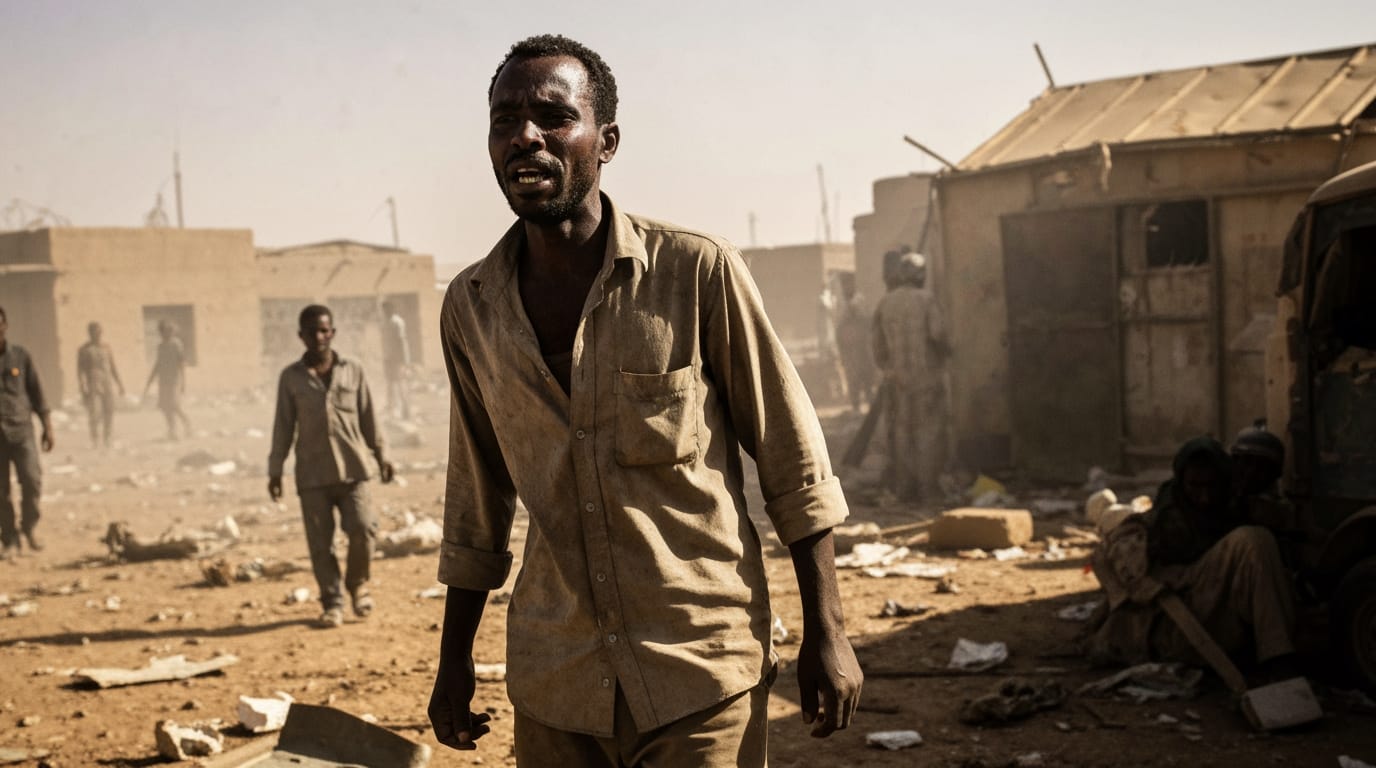
N'DJAMENA, Chad – A drone strike, originating from Sudanese territory, struck the Chadian border town of Tine this past Wednesday, claiming the lives of at least 20 civilians and injuring several others. The attack, which reportedly targeted mourners gathered for a funeral service and children playing nearby, has ignited outrage in Chad, prompting President Mahamat Idriss Deby to vow retaliation against any future incursions and to order a complete closure of the already tense border. The tragic incident underscores the escalating dangers of Sudan's brutal civil war spilling over into neighboring countries, threatening regional stability and exacerbating a severe humanitarian crisis.
Deadly Incursion Rocks Tine
The deadly aerial assault occurred late Wednesday afternoon in Tine, a Chadian town positioned strategically on the frontier with Sudan's volatile western Darfur region. Initial reports indicated 17 fatalities, but the death toll later rose to 20, with 10 individuals reportedly receiving treatment for their injuries at a hospital in Abeche, Chad. Local residents described two explosions hitting a house where a funeral ceremony, including the reading of the Quran, was underway. A military source confirmed that all those killed and injured were civilians, highlighting the indiscriminate nature of the attack. The attack on Tine, often referred to as Tine Djagaraba, is a stark reminder of the vulnerability of border communities caught in the crossfire of the Sudanese conflict.
Chad's Swift and Stern Response
In the immediate aftermath of the strike, Chadian President Mahamat Idriss Deby convened an emergency meeting of the defense and security council overnight. Following the deliberations, the Chadian government issued a strong condemnation, stating that despite prior warnings to the warring factions in Sudan and the existing border closure, Tine had "again been targeted by a drone attack." President Deby ordered the national army to retaliate against any further attacks originating from Sudan, emphasizing Chad's right to pursue belligerents on Sudanese territory to protect its citizens and territorial integrity. Furthermore, the president mandated a complete closure of the 1,300-kilometer border with Sudan. This directive builds upon a prior border closure enacted in February, which followed clashes that resulted in the deaths of five Chadian soldiers, aimed at preventing the conflict from spreading.
The Shadow of Sudan's Civil War
The drone strike represents another grim manifestation of Sudan's protracted civil war, which erupted in April 2023 between the Sudanese Armed Forces (SAF) and the paramilitary Rapid Support Forces (RSF). Both factions quickly disclaimed responsibility for the Tine attack, instead blaming each other. The RSF issued a statement on Telegram accusing the Sudanese military, while the SAF countered with claims that an RSF drone was responsible, citing a "repeated pattern" of cross-border attacks. The RSF had previously claimed control of Tina, the Sudanese town opposite Tine, in February 2026. This blame game is common amidst the conflict, which has already led to tens of thousands of deaths and displaced more than 12 million people within Sudan and into neighboring countries. Over one million Sudanese refugees have sought refuge in Chad, placing immense strain on its resources.
The intensifying conflict near the Sudan-Chad border, particularly in the Darfur region, has seen both sides clashing over vital supply routes and border crossings. Prior to this incident, Chad had already experienced several cross-border incursions and drone attacks, including one in December 2025 where two Chadian soldiers were killed. These incidents underscore the fluid and dangerous nature of the conflict and its consistent threat to regional peace.
Humanitarian Crisis Deepens
The Tine crossing, like others along the Chad-Sudan border, serves as a critical commercial and humanitarian corridor for the beleaguered population of Darfur. The repeated closures and the latest attack have severely disrupted these lifelines. Even before this incident, the border closure in February had stranded thousands of displaced people, exacerbating severe shortages of food and shelter in the open. Refugee camps in eastern Chad, already struggling with overcrowding and limited access to basic services, including water, are now under even greater pressure. Organizations like Doctors Without Borders (MSF) have reported treating a high influx of wounded patients, often without adequate resources, highlighting the dire humanitarian situation. The United Nations has expressed deep alarm over the drone strike, emphasizing the devastating human cost of the Sudanese conflict and the increasing risks to civilians in border areas. The UN also warned of the potential for wider regional destabilization if the conflict continues to spill over.
The latest cross-border drone attack on Tine stands as a tragic testament to the far-reaching and devastating consequences of the Sudanese civil war. While Chad maintains its right to self-defense and has escalated its security posture, the intricate web of regional instability, humanitarian needs, and conflicting claims from the warring Sudanese factions presents a formidable challenge. The international community continues to watch with apprehension as the violence along the Chad-Sudan border escalates, further endangering civilian lives and deepening an already catastrophic humanitarian crisis.


