Cuba Plunged Into Darkness Again: Second Nationwide Blackout in a Week Exacerbates Deepening Energy Crisis
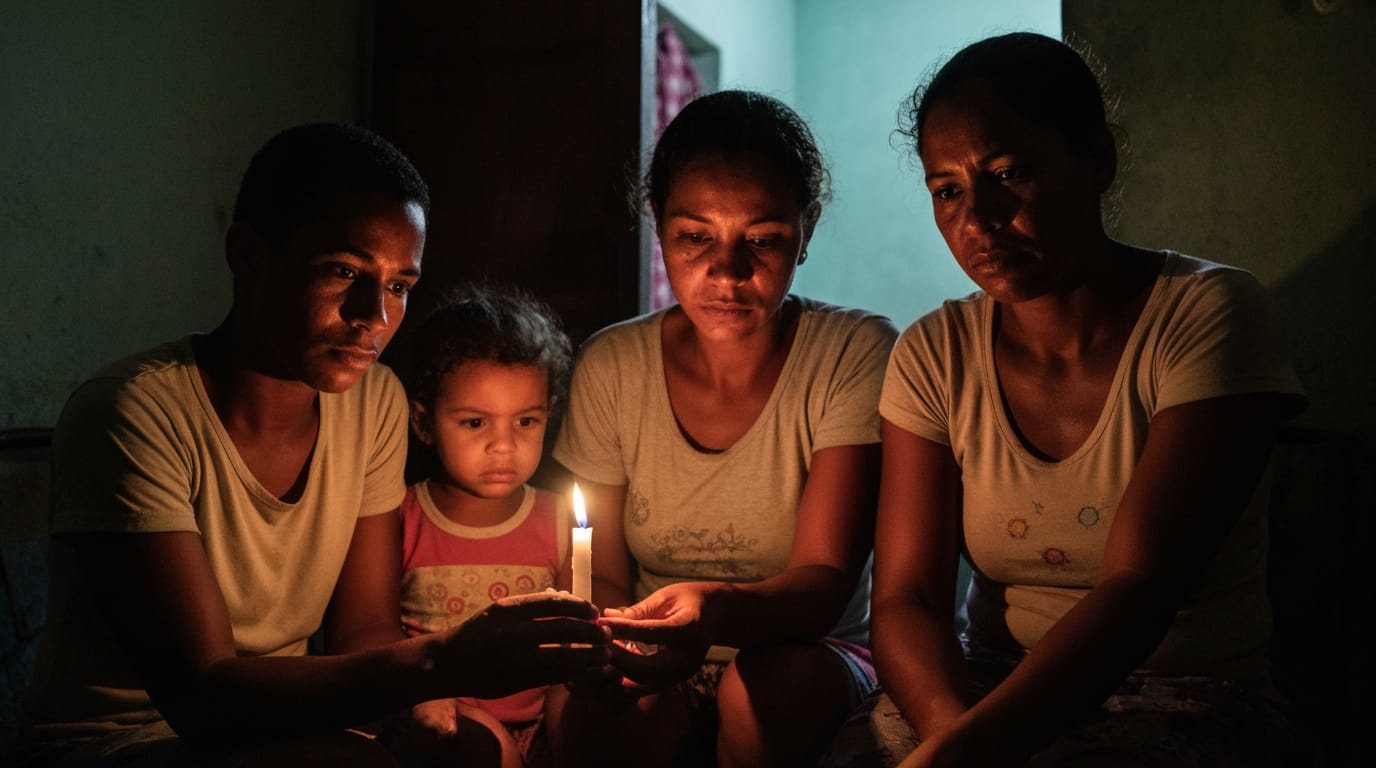
HAVANA – Cuba was plunged into an island-wide blackout for the second time in less than a week on Saturday, March 21, as its already fragile national electricity system suffered another catastrophic failure. The extensive outage, which occurred just five days after a similar incident, underscores a deepening energy crisis gripping the Caribbean nation, fueled by an aging infrastructure and severe fuel shortages exacerbated by international sanctions. As darkness enveloped cities and rural areas alike, the incident further intensified daily hardships for millions and cast a stark light on the geopolitical pressures impacting Cuba's access to vital resources.
Cascading Failures and Immediate Disruption
The latest nationwide blackout commenced shortly before 6:30 PM (2230 GMT) on Saturday, with Havana experiencing power loss as night fell. The Cuban energy ministry quickly confirmed a "total disconnection" of the national electricity system, attributing the collapse to an outage within a power unit at one of the country's thermoelectric plants, which subsequently triggered a "cascading effect" across the grid. This rapid and widespread failure left virtually the entire island without electricity, with streets in Havana becoming "pitch black," necessitating residents to rely on phone lights or flashlights to navigate.
While the energy ministry announced that protocols for restoration were immediately initiated, the process of bringing the vast and ailing grid back online is typically protracted and complex. The recurrence of such a comprehensive failure within such a short timeframe highlights the critical instability of Cuba's power generation capabilities. The Electric Union, the state-owned utility, indicated it was activating microgrids to restore power to critical facilities, including hospitals and water treatment plants, in an effort to mitigate the immediate humanitarian impact.
Decades of Deterioration: The Root Causes of Cuba's Energy Woes
The frequent and extensive power outages are not isolated incidents but rather symptoms of a long-standing and deteriorating energy infrastructure. Cuba's electricity generation relies heavily on a network of eight aging thermoelectric plants, many of which have been in operation for over 40 years. These facilities are prone to frequent breakdowns and require regular, often unplanned, maintenance cycles, severely impacting their reliability and overall output. This inherent vulnerability makes the entire national system susceptible to widespread collapse whenever a single major unit fails.
Compounding the issues with an outdated grid is a critical and chronic shortage of fuel. Cuba's energy sector has been struggling under the weight of a "US oil blockade," which has severely restricted the island's access to vital petroleum imports. Reports indicate that no oil has been imported to the island since January 9, a situation that has intensified significantly since the alleged "US military operation" in January that saw the capture of Venezuela's socialist leader Nicolas Maduro. Venezuela had historically been Cuba's primary regional ally and a crucial supplier of oil. The imposition of, or threats to impose, tariffs by US President Donald Trump on countries selling oil to Cuba further complicates the island's ability to secure fuel on the international market. The impact of these sanctions was underscored by reports of a Hong Kong-flagged ship carrying Russian gas that had been destined for Cuba changing course to Venezuela, although another Russian tanker was still reportedly en route. This confluence of aging equipment and a profound lack of fuel has pushed Cuba's power grid to its breaking point.
A Nation on Edge: The Human and Economic Toll
For the average Cuban citizen, these blackouts are far from a new phenomenon, yet their increasing frequency and duration are pushing communities to their limits. Daily power outages are now common, lasting up to 15 hours in the capital, Havana, and exceeding 20 hours in other parts of the island. In some interior regions, residents endure outages that can stretch beyond 40 hours. Such prolonged periods without electricity disrupt every aspect of daily life, from food preservation and water supply to education, communication, and livelihoods. Residents like Ofelia Oliva, a 64-year-old Havana resident, expressed the sentiment of many, stating, "This is becoming unbearable... It is getting tiresome." Another resident, taxi driver Nilo Lopez, voiced a desperate question, "I wonder if we're going to be like this our whole lives. You can't live like this."
The economic repercussions are equally severe. The absence of oil imports not only cripples the power sector but also forces airlines to curtail flights to the island, delivering a significant blow to Cuba's vital tourism industry. Businesses, both state-owned and private, struggle to operate without consistent power, leading to lost productivity and revenue. The blackouts, coupled with regular shortages of food, medicine, and other basic necessities, are fostering widespread frustration among the populace. This discontent manifested recently when demonstrators reportedly vandalized a provincial office of the Cuban Communist Party, signaling growing public anger over the deteriorating conditions.
Navigating the Crisis: Government Response and External Aid
In the immediate aftermath of the blackouts, the Cuban Ministry of Energy and Mines communicates the situation and outlines restoration efforts. The state-owned Cuban Electric Union focuses on activating microgrids to ensure that essential services, such as hospitals and water treatment facilities, maintain some level of operation. However, these measures often provide only temporary and localized relief, unable to address the systemic issues plaguing the national grid.
On a broader diplomatic front, Cuba has indicated a willingness to engage in "broad talks" with Washington and allow for increased investment, though its political system remains non-negotiable. This stance comes amidst heightened political tensions, with US President Donald Trump making strong statements about "taking Cuba" and referring to it as a "very weakened nation." Cuban President Miguel Diaz-Canel, in turn, has previously warned of "unbreakable resistance" against external aggressors. Adding another layer to the complex situation, an international aid convoy began arriving in Havana this week, bringing much-needed medical supplies, food, water, and solar panels, highlighting the international community's awareness of the unfolding crisis.
The ongoing energy crisis in Cuba, epitomized by the two island-wide blackouts within a single week, represents a critical challenge for the nation. The confluence of an antiquated and vulnerable power infrastructure, severe fuel shortages exacerbated by US sanctions, and geopolitical pressures creates a precarious situation with profound implications for the Cuban populace and its economy. As daily life becomes increasingly difficult for ordinary citizens, the path toward a stable and reliable energy future for Cuba remains fraught with both internal systemic hurdles and external political complexities. The repeated darkness serves as a stark reminder of the urgent need for comprehensive solutions to power the island forward.


