Cuba Plunged into Darkness as National Grid Collapses
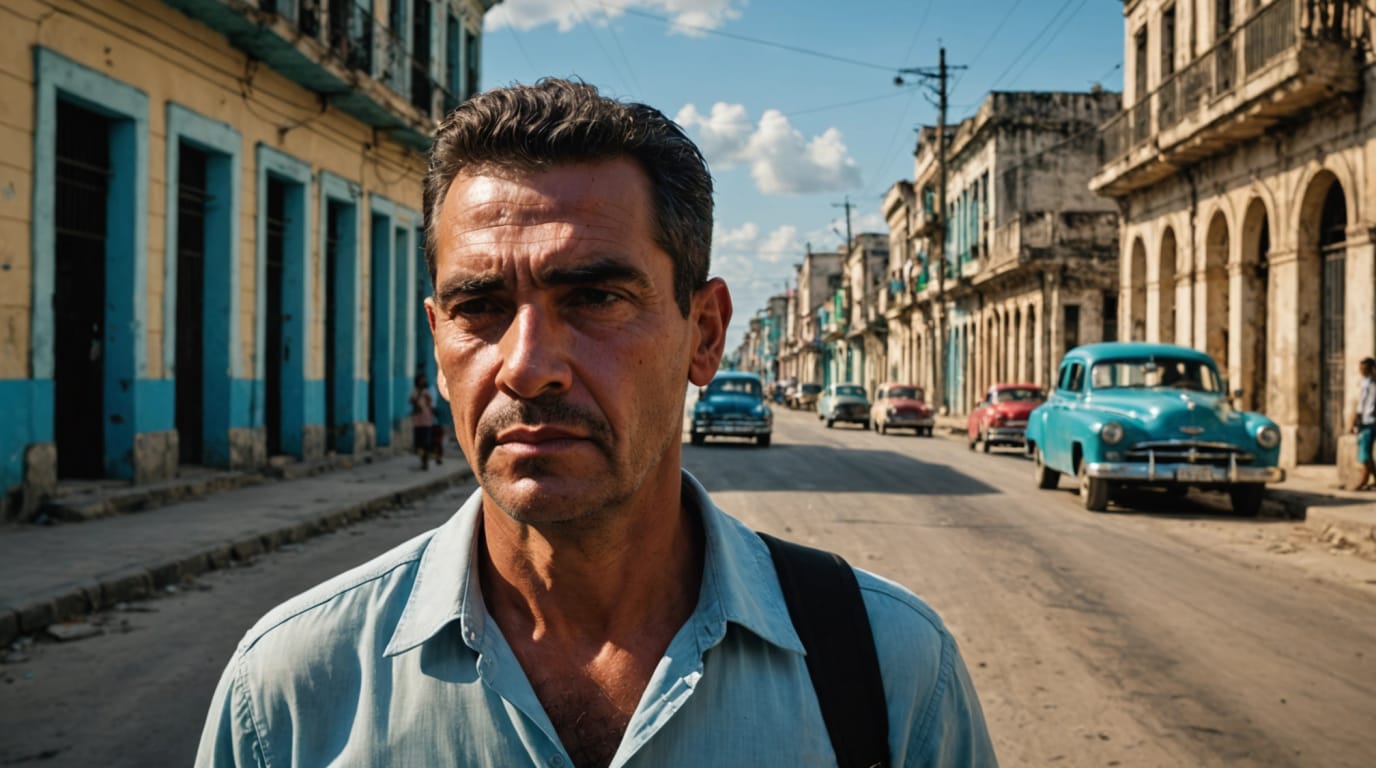
Havana, Cuba – Millions of Cubans are without power following a nationwide blackout triggered by a failure in the country's electrical grid late Friday. The Ministry of Energy and Mines confirmed the system-wide collapse, marking the latest in a series of major power outages that have plagued the island nation, exacerbating an already dire economic crisis.
Grid Failure Sparks Widespread Outage
The blackout struck at approximately 8:15 p.m. local time, when a breakdown at the Diezmero substation on the outskirts of Havana caused a "significant loss of generation in western Cuba and with it the failure of the National Electric System," according to a statement from the Ministry of Energy and Mines posted on social media. The failure cascaded across the island, leaving homes, businesses, and essential services in darkness.
Reports from across Cuba indicate the outage is widespread, affecting provinces from Guantánamo in the east to Artemisa in the west. In Havana, a Reuters witness observed the city's waterfront skyline plunged into darkness, with only a few tourist hotels operating on generators providing the only sources of light.
Investigating the Cause
Officials are currently investigating the cause and magnitude of the grid failure. The incident marks the third major collapse of the national electrical system in recent months, raising concerns about the stability of Cuba's aging energy infrastructure.
The Electric Union, the state agency that regulates the sector, had earlier reported that peak-hour demand would be around 3,250 megawatts, with a deficit of approximately 1,380 megawatts, meaning 42% of the national energy system would be shut down even before the total collapse.
Recurring Crisis
Cuba's power grid has been plagued by frequent outages in recent months, with more than half of the country experiencing power cuts during peak hours. These outages are primarily attributed to fuel shortages, aging infrastructure, and a lack of maintenance.
In October 2024, a major blackout occurred after the Antonio Guiteras thermoelectric plant, one of Cuba's key power stations, shut down. Another severe blackout struck in December 2024 when the same plant failed again. These events forced the government to implement emergency measures, including suspending classes and shutting down some state-owned workplaces.
The U.S. Embassy in Cuba issued an alert on February 14, 2025, noting the increasing instability of Cuba's electrical grid and the occurrence of multiple nationwide power outages since October 18, 2024. The embassy advised U.S. citizens in Cuba to monitor local media for updates and prepare for prolonged power outages by stocking up on nonperishable food and water, and ensuring they have alternative methods for meeting medical needs.
Impact on Daily Life
The blackouts have a significant impact on the daily lives of Cubans. Electricity is crucial for cooking, water pumping, and refrigeration. The lack of power disrupts daily routines and interrupts critical services such as healthcare and education. Hospitals have had to rely on backup generators, and schools have been forced to close. Businesses, especially those reliant on refrigeration, are also affected, further deepening the economic crisis.
Many Cubans have taken to social media to express their frustration and anger at the government's inability to address the persistent energy shortages.
Underlying Issues
Cuba's electrical system has long struggled due to limited investment, outdated equipment, and a lack of resources for timely maintenance. The situation has worsened in recent years due to a challenging economic environment.
Cuban President Miguel Díaz-Canel has blamed the United States embargo against Cuba, stating that it prevents much-needed supplies and replacement parts from reaching the country. Prime Minister Manuel Marrero Cruz has cited deteriorating infrastructure, fuel shortages, and rising demand as contributing factors. Cuba has also suffered from a drop in fuel shipments from Venezuela.
Experts say that Cuba's large thermoelectric plants were built in the 1970s and have a lifespan of between 25 and 30 years. The plants are breaking down frequently and need a recapitalization of the whole system.
Government Response and Future Outlook
The Cuban government has announced that it is working on the recovery process, but has not yet confirmed when full power will be restored. In the past, the government has implemented emergency measures to slash electricity demand, including suspending classes, shutting down some state-owned workplaces, and canceling non-essential services.
The government has also been exploring alternative energy sources, including renewable energy projects, to improve the situation in the future. However, the transition to renewable energy is likely to be a long and challenging process.
The ongoing energy crisis is exacerbating Cuba's already dire economic situation, marked by shortages of food, medicine, and other essential goods. The blackouts are likely to further fuel social unrest and discontent with the government. The U.S. Embassy has advised U.S. citizens to keep mobile phones and portable battery banks charged, have flashlights and spare batteries easily accessible, and prepare for alternative methods of meeting their medical needs.
The future of Cuba's energy sector remains uncertain. The country faces significant challenges, including its reliance on outdated infrastructure, limited access to fossil fuels, and vulnerability to natural disasters. Addressing these challenges will require comprehensive energy reform, external assistance, and significant investment in renewable energy sources.


