Cuba Plunged into Darkness for Second Consecutive Night as Power Grid Falters
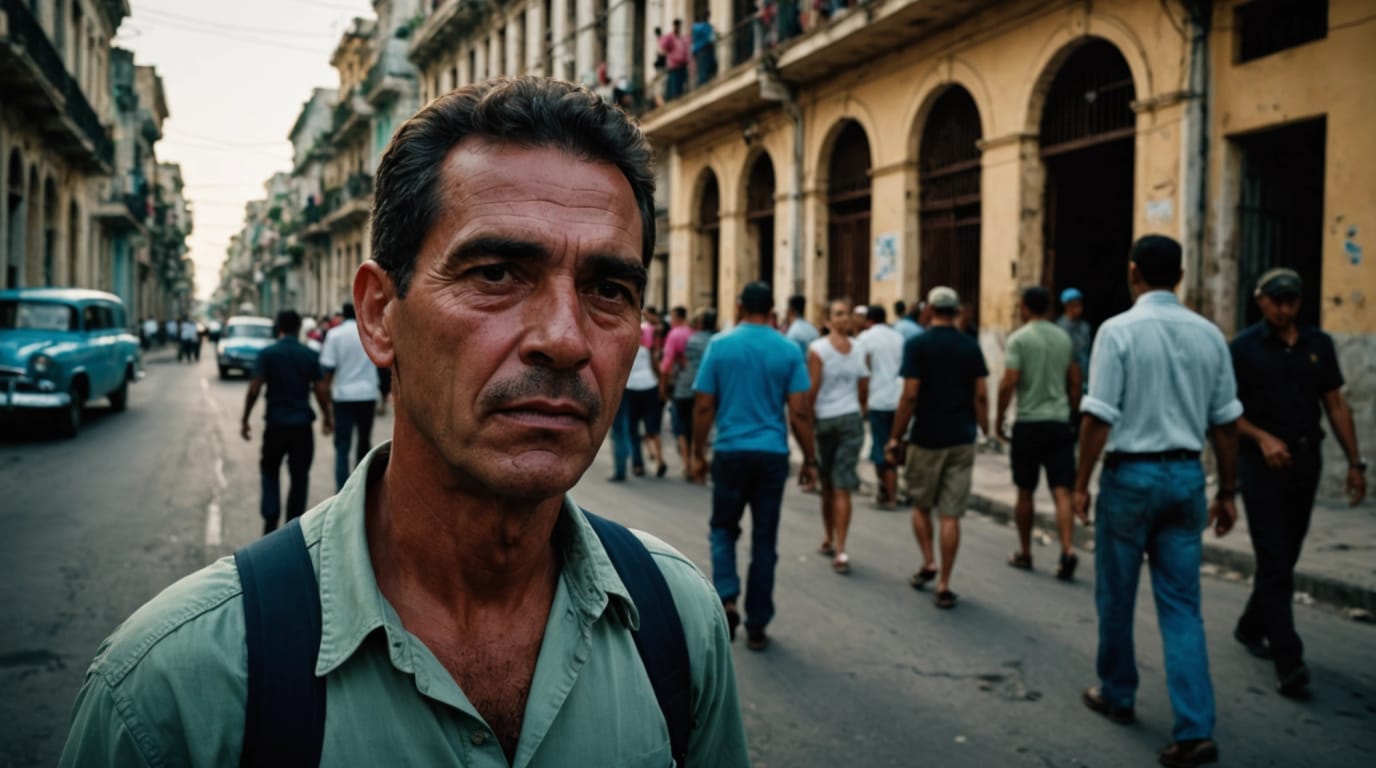
Havana, Cuba – For the second night in a row, millions of Cubans are without power as the island nation grapples with a widespread blackout following a failure in its aging electrical grid. The outage, which began Friday evening, has crippled essential services and brought daily life to a standstill, raising concerns about the stability of the country's infrastructure amid an ongoing economic crisis.
Grid Failure Sparks Island-Wide Blackout
The initial grid collapse occurred around 8:15 p.m. local time on Friday when a transmission line at a substation in Havana experienced a short circuit. This triggered a chain reaction that swiftly shut down power generation across the entire island, leaving an estimated 10 million people in the dark. Lázaro Guerra, director of electricity at the Ministry of Energy and Mines, stated on national television that efforts were underway to restore power to vital services such as hospitals, water supply systems, and food production centers. However, progress has been slow, and by Saturday night, major power plants were still offline.
Efforts to Restore Power Face Setbacks
The island's grid operator, Unión Eléctrica (UNE), has been working to create "microsystems" to gradually restore electricity across the country. Several of these systems were reportedly operating in provinces such as Guantánamo, Santiago, Las Tunas, and Pinar del Río. However, efforts to restore power in Havana and Santiago de Cuba, the island's two largest cities, have faced repeated setbacks, forcing engineers to restart the process from scratch. The UNE reported generating only a fraction of the island's total demand early Saturday, barely enough to cover critical services. Officials have not provided a definitive timeline for full restoration, leaving residents uncertain about when they can expect the lights to come back on.
Blackout Exacerbates Existing Hardships
The nationwide blackout is the fourth in the last six months, highlighting the vulnerability of Cuba's power infrastructure. The repeated outages have exacerbated the hardships faced by ordinary Cubans, who are already struggling with a severe economic crisis marked by fuel shortages, limited access to goods, and rising prices. Outside of Havana, many Cubans have been enduring rolling blackouts for months, sometimes lasting up to 20 hours a day. The lack of electricity disrupts daily routines, hinders food preparation, and impacts access to essential services. The current blackout raises concerns about food spoilage, as many families rely on electric equipment for cooking and refrigeration.
Aging Infrastructure and Economic Crisis Blamed
Experts attribute the electricity disruptions to a combination of factors, including fuel shortages at power plants and the country's aging infrastructure. Cuba's power grid, much of which was built decades ago, has suffered from a lack of investment and maintenance, making it increasingly prone to failures. The economic crisis has further strained the system, limiting the availability of resources needed to repair and upgrade the grid. The blackouts also raise questions about the long-term viability of Cuba's power system and the need for significant investments in renewable energy sources and grid modernization.
Impact on Daily Life and Economy
The blackout has had a significant impact on daily life in Cuba. In Havana, traffic lights are out, causing disruptions to transportation. Cellular internet service is intermittent, hindering communication and access to information. Many businesses have been forced to close, further impacting the economy. The tourism sector, a vital source of revenue for the country, has also been affected, with some hotels relying on generators to provide power to guests. The blackouts not only disrupt daily life but also undermine confidence in the government's ability to provide basic services.


