Cuba Plunges Deeper into Darkness as Blackouts Hamper Fragile Restoration Efforts
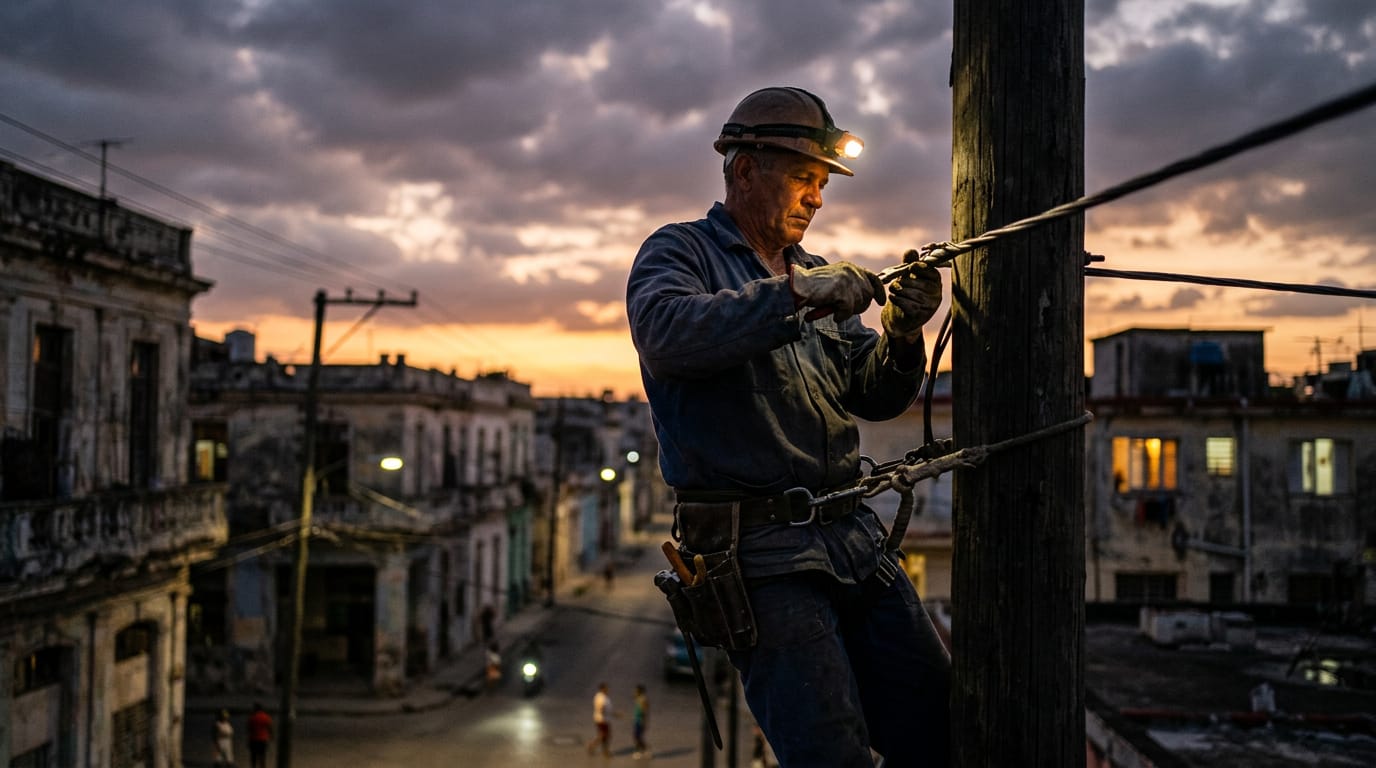
HAVANA, Cuba – Cuba's already precarious energy situation has deteriorated further, with recent, frequent nationwide blackouts disrupting critical restoration attempts and casting a long shadow over daily life for millions across the island. As the nation grapples with its sixth major grid collapse this year, persistent infrastructure failures, critical fuel shortages, and the long-standing impact of international sanctions continue to undermine efforts to stabilize its beleaguered electrical system. The latest in a series of widespread outages left nearly 10 million people without power in early August, highlighting the systemic vulnerabilities and the profound humanitarian challenges facing the Caribbean nation.
A Cycle of Collapse and Frustration
The most recent period of intense disruption began with a nationwide electrical grid collapse on Sunday, August 3, plunging homes, businesses, and essential services into darkness. Efforts to restore power on Monday, August 4, were met with further setbacks, including adverse weather conditions that caused new disruptions and directly affected generating units that had just come back online. This cycle of failure and interrupted restoration has become a grim reality for Cubans. July alone saw three grid collapses within nine days, two of which were island-wide, leaving approximately 10 million people without electricity. Authorities have struggled to meet demand even after initial reconnection, underscoring the severe generation shortfall. For many, electricity is now available for only a few hours a day, if at all, making normal life increasingly challenging.
The scale of the deficit is stark. Reports from Cuba's state utility indicated that generation shortfalls in 2025 frequently exceeded 1,300 to 1,700 megawatts during peak demand, meaning nearly half of the national requirement went unmet. By early 2026, the country faced a deficit of over 1,700 MW against a maximum demand of approximately 3,000 MW, a gap that necessitates widespread power cuts to prevent a total system collapse.
Decades of Decay: The Root Causes of Grid Instability
Cuba's energy crisis is a complex issue rooted in an aging and poorly maintained infrastructure, chronic fuel scarcity, and severe financial limitations. The country's primary source of electricity comes from oil-fired thermal plants, many of which were built decades ago and have long exceeded their intended operational lifespans. These decrepit facilities are prone to frequent breakdowns, and obtaining necessary spare parts for repairs is a constant struggle. For example, the Antonio Guiteras plant in Matanzas, a key facility, often malfunctions due to a lack of replacement parts.
Fuel shortages represent another critical vulnerability. Cuba's electricity generation mix remains heavily dependent on imported oil, with minimal diversification compared to regional peers. Deliveries from traditional allies like Venezuela, once a major supplier, have become inconsistent or halted entirely due to Venezuela's own economic woes and increased pressure from U.S. sanctions. Mexico has also reportedly halted its oil exports to Cuba, further exacerbating the supply crunch. Limited foreign currency reserves severely restrict Cuba's ability to purchase fuel from other international markets, leaving power plants unable to operate at full capacity. The reliance on lower-quality domestic crude also accelerates wear and tear on existing equipment.
Underlying these issues are significant financial constraints. Cuba's restricted access to international credit and trade, largely attributed to decades of U.S. sanctions and trade restrictions, hinders its capacity to invest in modernizing its power grid, upgrading facilities, or even affording consistent maintenance. While the Cuban government has leased costly floating power plants and imported small generators as stopgap measures, these solutions are deemed unsustainable and do not address the fundamental need for systemic upgrades.
The Human Toll: Daily Life Under Duress
The impact of these prolonged and unpredictable blackouts on the daily lives of ordinary Cubans is profound and widespread. Essential services are severely compromised. Water supplies often cease because pumps, which rely on electricity, cannot function. Refrigeration becomes unreliable, leading to the spoilage of food and critical medicines. Healthcare facilities, though equipped with emergency generators, depend on scarce diesel supplies, placing patient care at risk during extended outages. Thousands of surgeries have been postponed, and national immunization programs have been delayed.
Education is disrupted, with schools and university classes occasionally suspended to conserve energy. The lack of consistent power also affects transport and communication services. Many residents resort to cooking with improvised wood or charcoal stoves on the streets. During the sweltering summer months, without air conditioning or fans, people sleep outdoors or on balconies to escape the heat, leading to significant discomfort and health concerns. The economic repercussions are also keenly felt, especially by small businesses that cannot operate without backup power, and even the vital tourism industry struggles to maintain services.
The worsening conditions have fueled public discontent, leading to protests in various cities where residents have voiced their frustration through demonstrations like banging pots and pans, shouting for electricity, and burning garbage in the streets. Some reports indicate that the electricity crisis has even accelerated emigration, particularly among younger professionals.
Government Response and Future Outlook
The Cuban government attributes the deepening crisis primarily to the long-standing U.S. economic blockade and more recent sanctions, which it argues restrict access to vital fuel supplies, financing, and equipment needed to maintain its power system. Conversely, Washington maintains that the outages are a reflection of the failures within Cuba's state-run economic model.
In response to the escalating crisis, authorities have implemented rolling blackouts as a short-term measure to prevent total grid collapse. They have also announced aspirations for renewable energy projects, particularly solar power, with targets for hundreds of megawatts of photovoltaic capacity. However, renewables currently account for less than five percent of Cuba's electricity mix, and significant financial resources, storage capacity, and grid infrastructure upgrades are needed for substantial progress.
More recently, the government has begun to introduce economic reforms. These include approving foreign investment ventures for fuel import and wholesale fuel distribution, with nearly 200 businesses now authorized to participate. Measures to encourage private investment in the tourism industry have also been approved. While these steps are intended to alleviate the crisis, officials acknowledge that they are incremental and that significant, noticeable changes will take time to materialize.
Conclusion: A Looming Darkness
The ongoing disruptions to Cuba's energy restoration efforts highlight the profound challenges facing the island. The interplay of severely aged infrastructure, a critical lack of fuel exacerbated by international pressures, and systemic financial constraints has created a deeply unstable electrical system. As citizens endure prolonged periods without power, affecting every aspect of their lives from basic necessities to economic activity, the urgency for sustainable, long-term solutions grows. While the Cuban government implements reforms and looks towards renewable energy, the path to a reliable power grid remains arduous and fraught with obstacles, leaving many to wonder when the pervasive darkness will finally lift.