Indian Pilgrims Stranded in Saudi Arabia After Houthi Strikes Halt Flights
Missile and drone attacks on Saudi infrastructure have killed an Indian citizen, grounded major air carriers and disrupted travel for thousands of religious travelers.
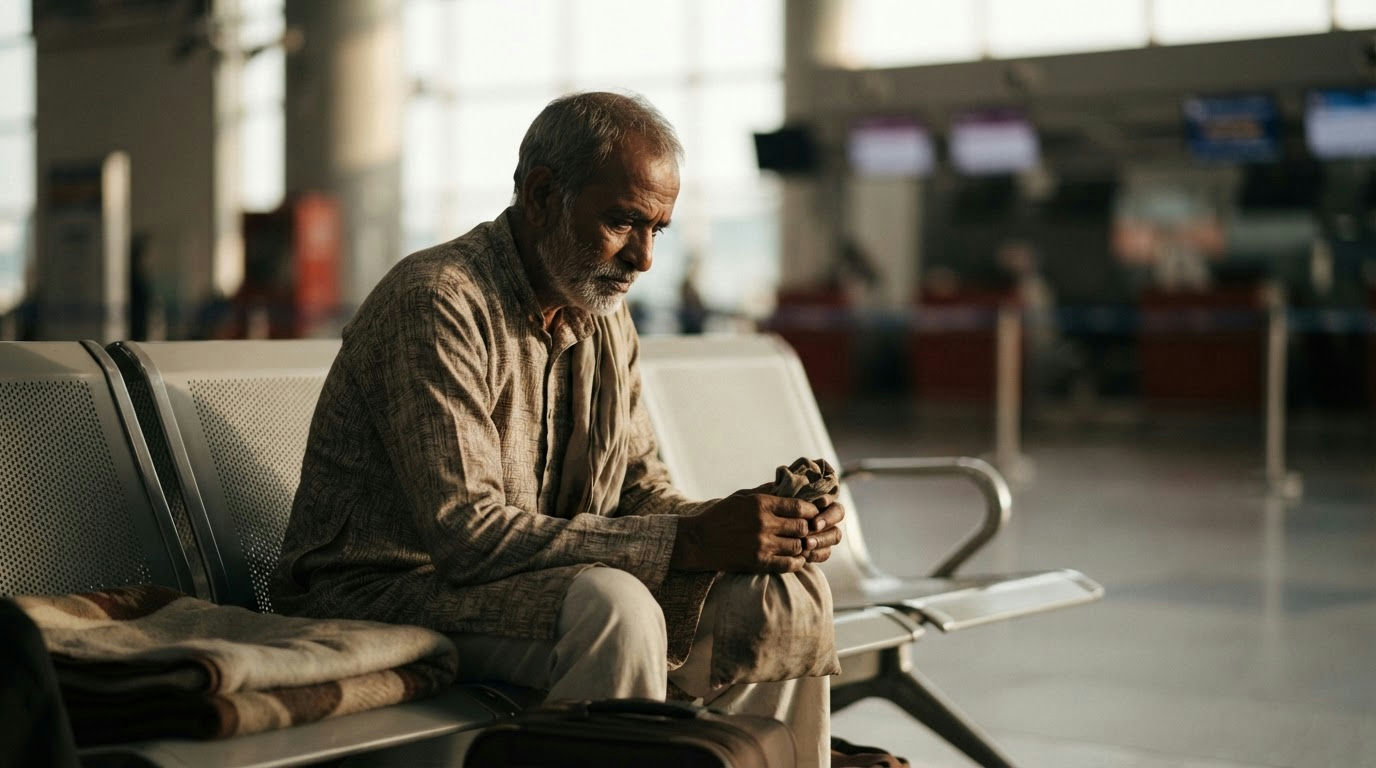
Thousands of Indian Umrah pilgrims remained stranded in Saudi Arabia on October 22, 2026. Indian carriers halted flights after Houthi drone and missile attacks struck Saudi airports and energy facilities.
Indian diplomatic missions in Riyadh and Jeddah intervened to organize return travel with airlines and tour groups. The flight halts followed an October 21 strike on King Fahd International Airport in Dammam. That attack killed two people, including an Indian national, and injured eight others.
Two other Indian citizens suffered injuries in the Dammam strike. Falling debris from an intercepted drone injured another Indian national over the Shaybah oilfield in the Eastern Province on the same day.
Air India and Air India Express suspended operations connecting Indian cities with Riyadh, Jeddah and Dammam until October 24. IndiGo halted flights to Riyadh, Dammam and Medina through the same date. Akasa Air extended its flight suspensions to and from Saudi Arabia until October 27.
The cancellations affected Indian departure hubs, including Cochin International Airport and Kozhikode International Airport in Kerala. Member of Parliament Asaduddin Owaisi estimated that roughly 4,000 Indian pilgrims were stuck in Mecca and Medina without return flights.
About 3,000 stranded pilgrims returned to India on available flights over the preceding week. More than 10,000 regularly scheduled pilgrims also flew home during that period.
Ministry of External Affairs spokesperson Randhir Jaiswal said diplomatic posts set up round-the-clock emergency control rooms. He said officials were working with airlines and community volunteers to assist travelers. The ministry stated that strikes on civilian infrastructure were unacceptable, demanded they cease immediately, and affirmed solidarity with Saudi Arabia.
Owaisi stated that travel agents had abandoned pilgrims. He urged civil aviation regulators to permit airlines to deploy larger aircraft or operate relief flights.
Yemen's Houthi movement claimed responsibility for military operations against Dammam airport, the Saudi Defense Ministry in Riyadh, and Aramco sites. An earlier October 10 strike on King Khalid International Airport in Riyadh killed an Indian expatriate from Hyderabad.
Indian officials and aviation regulators are negotiating additional flight arrangements to evacuate the remaining pilgrims. Airlines and authorities scheduled operational reviews starting October 24 to decide whether to extend suspensions or resume direct flights. The Indian Embassy in Riyadh advised travelers needing urgent departure to evaluate transit routes through Bahrain, Kuwait or Qatar.