Curfew Imposed in Syria's Latakia Amid Surging Sectarian Tensions
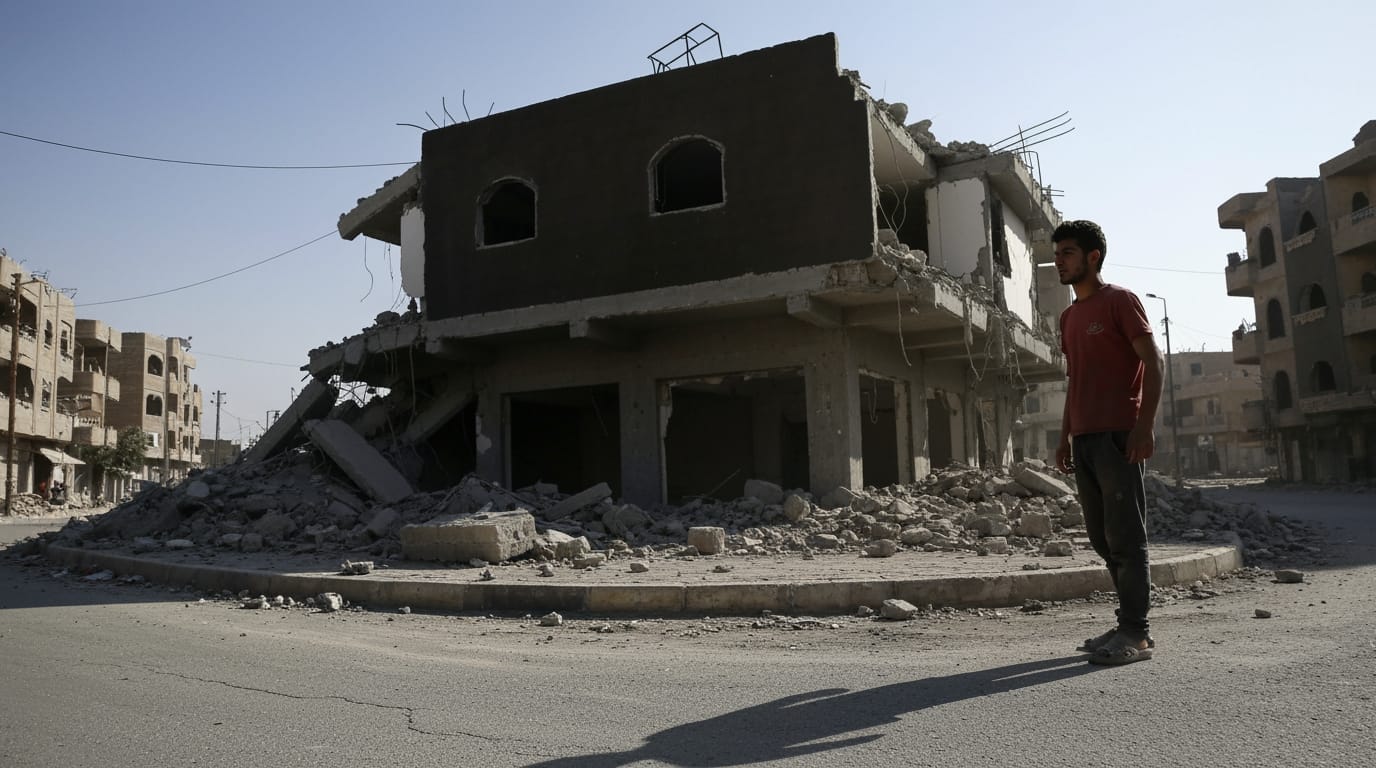
Latakia, Syria – Syrian authorities have declared an overnight curfew in the port city of Latakia, effective Tuesday evening, December 30, 2025, following a dangerous escalation of sectarian violence that has left at least four dead and over 100 injured. The measure comes as the nation grapples with widespread unrest and deep-seated communal divisions in the wake of significant political transitions, highlighted by a deadly mosque bombing and subsequent protests across coastal regions.
The Interior Ministry announced the curfew would be in effect from 5:00 p.m. on Tuesday until 6:00 a.m. on Wednesday, December 31, aiming to restore calm and prevent further clashes. Exemptions were made for emergency cases, medical personnel, and firefighting teams. The decision underscores the fragile security situation gripping Syria’s coastal heartland, a region predominantly inhabited by the Alawite minority, which has seen heightened tensions in recent months.
Violence Erupts Following Homs Bombing
The immediate catalyst for the current unrest was a bombing on Friday, December 26, at the Imam Ali bin Abi Talib Mosque in Homs, an Alawite place of worship, which killed eight people and wounded eighteen others. A group identifying itself as "Saraya Ansar al-Sunna" claimed responsibility for the attack, stating its intent to target members of the Alawite sect.
In response to the Homs attack, Sheikh Ghazal Ghazal, head of the Supreme Alawite Islamic Council in Syria and abroad, issued a video message calling on Alawites in the coastal region to take to the streets. His call prompted mass protests on Sunday, December 28, in Latakia, Tartus, Jableh, and Homs, with demonstrators demanding "political federalism" and the "right to self-determination." These demonstrations, initially intended to be peaceful, quickly spiraled into violence.
Reports indicate that on Monday, December 29, individuals attacked predominantly Alawite neighborhoods in Latakia, damaging cars and vandalizing shops. Local media described groups chanting sectarian slogans and smashing shopfronts in areas like Al-Ziraa neighborhood and breaking vehicle windows in other Alawite districts.
Security Forces Deploy Amidst Conflicting Accounts
Syrian state media, including Al-Ikhbariya TV, reported that the violence on Sunday resulted in at least four fatalities and 108 injuries, attributing the casualties to "attacks by remnants of the former regime" on security forces and civilians. The Interior Ministry's spokesperson, Noureddin al-Baba, condemned acts of vandalism and incitement, asserting that legal measures would be taken against those threatening public order.
Army units, supported by armored vehicles, were deployed to the centers of Latakia and Tartus on Sunday to "restore security and stability" after what the Defense Ministry described as attacks by "outlawed groups." However, the Britain-based Syrian Observatory for Human Rights (SOHR) presented a contrasting narrative, reporting that security forces killed Alawite protesters in Latakia while dispersing crowds who were calling for political rights and protection. SOHR also documented attacks by supporters of the transitional authority and General Security forces against peaceful demonstrators in various locations, including Latakia’s Agriculture Roundabout, where several protesters were reportedly beaten.
The Ministry of Interior also announced the arrest of Basel Issa Ali Jamahiri, a member of an armed group associated with the ousted Bashar al-Assad’s military forces, in Latakia province, further linking the unrest to "regime remnants."
A Nation Navigating a Precarious Transition
The current wave of unrest unfolds within a deeply unstable political landscape following the ousting of longtime ruler Bashar al-Assad in December 2024. His departure, after more than 50 years of Assad family rule, ushered in a new Sunni-led interim government headed by Haiat Tahrir al-Sham (HTS) leader Ahmed al-Sharaa. This transition has sparked significant apprehension among Syria's minority groups, particularly the Alawites, who fear persecution under the new authorities despite al-Sharaa's pledges to protect minorities.
This fear is not unfounded. The year 2025 has already witnessed a series of mass killings and massacres against Alawites, particularly in March, where hundreds were reportedly killed in sectarian violence across the coastal heartland. These incidents, some attributed to armed groups aligned with the Syrian caretaker government and others to remnants of the former Assad regime, have deeply damaged the nascent political transition. Attacks have involved interrogation of individuals based on their sectarian affiliation, followed by targeted killings.
The international community has expressed concern, with the EU, Germany, France, and the UK condemning attacks on interim government forces and violence against civilians.
Conclusion: A Looming Crisis of Stability
Latakia's curfew is a stark reminder of the profound challenges facing Syria as it attempts to forge a new path after decades of authoritarian rule. The sectarian fault lines, exacerbated by recent violence and the lingering grievances of both Alawite and Sunni communities, pose a significant threat to national unity and stability. While authorities assert their commitment to restoring order and protecting all citizens, the conflicting narratives surrounding the recent clashes highlight a deep mistrust and the complex web of actors involved. The ability of the transitional government to safeguard its diverse population and prevent further sectarian strife will be a critical determinant of Syria's future.