Republic of Congo Votes as Long-Serving President Sassou Nguesso Seeks Extended Rule
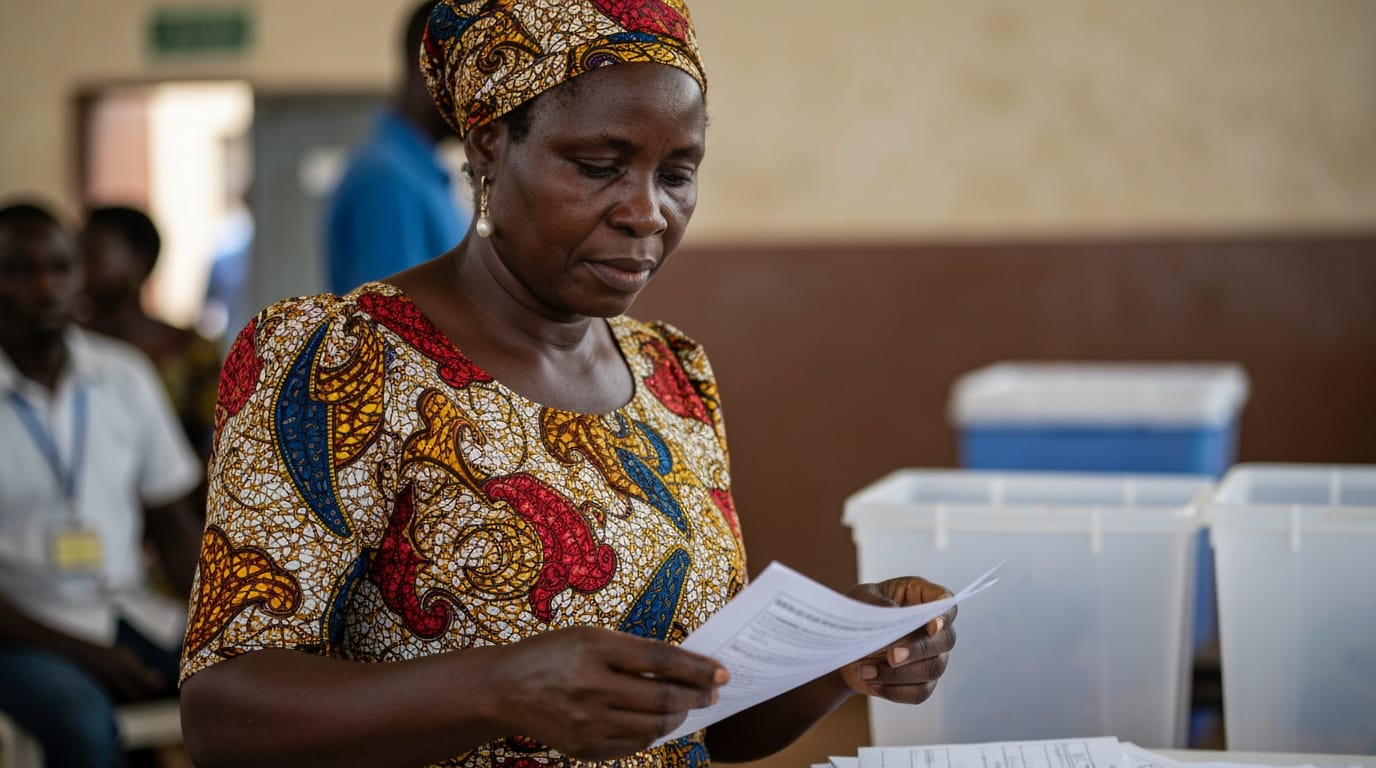
Brazzaville, Republic of Congo – Citizens across the Republic of Congo headed to the polls Sunday, March 15, 2026, in a presidential election widely anticipated to extend the decades-long tenure of incumbent President Denis Sassou Nguesso. The 82-year-old leader, who has governed the oil-rich Central African nation for an accumulated 42 years, faces a largely fragmented and subdued opposition, with many observers suggesting the outcome is all but predetermined.
The election unfolds against a backdrop of deep-seated political continuity, significant economic challenges, and persistent concerns regarding electoral transparency and civil liberties. With two prominent opposition figures currently imprisoned and others in exile, several opposition parties have called for a boycott, citing a lack of credibility in the electoral process. The prevailing mood among many Congolese, particularly the youth, is one of lethargy and resignation, reflecting a widely held belief that the ballot box offers little prospect for meaningful change.
An Incumbent's Enduring Grip on Power
Denis Sassou Nguesso's political career in the Republic of Congo spans more than four decades, marking him as one of Africa's longest-serving leaders. He first ascended to power in 1979, ruling through a one-party system until 1992. After a period out of office following the country's first multiparty elections, he returned by military force in 1997 after a civil war and has maintained control ever since.
A pivotal moment enabling his continued rule occurred in 2015 when a national referendum approved a new constitution. This constitutional overhaul removed age limits and extended presidential terms to three five-year mandates, effectively allowing Sassou Nguesso to bypass previous restrictions and seek re-election in 2016 and again in 2021. Critics argued these changes were designed solely to perpetuate his time in office.
The 2021 presidential election serves as a recent precedent for the current vote. Sassou Nguesso was re-elected for a fifth five-year term with an overwhelming 88.57% of the vote. His main opponent in that election, Guy Brice Parfait Kolélas, tragically died from COVID-19 complications on election day itself, just hours after polls closed, while being medically evacuated to France. Kolélas had secured 7.8% of the ballots. The swift announcement of Sassou Nguesso's victory followed an election period marred by telecommunication shutdowns, a tactic also employed during the 2016 elections and condemned by international organizations like the African Union.
A Contested Political Landscape and Suppressed Dissent
The political environment in the Republic of Congo is characterized by a strong dominance of the ruling Congolese Labour Party (PCT) and its allies. Opposition parties, while technically allowed, are widely perceived to have little real chance of gaining power. This perception is reinforced by reports from human rights organizations and international observers detailing restrictions on political rights and civil liberties. Freedom House, for instance, has given the country low scores on political rights and the fairness of elections.
Concerns about electoral integrity have been a recurring theme in Congolese elections. During the 2021 election, international observers noted a range of irregularities, including incorrect voter lists, inconsistencies in ballot boxes, instances of multiple voting, and polling officials refusing entry to accredited international observers. There were also reports of ruling party loyalists impersonating representatives of other candidates and officials prohibiting observation at vote compilation centers. Prior to that election, civil society organizations reported being denied permits for public marches and observer status.
The political space for dissent appears to have narrowed further in recent years. Rights groups point to the arrest of activists and the suspension of opposition parties as evidence. In June 2025, for example, the Ministry of Interior suspended 15 opposition parties, several of which had intended to form a coalition to contest the upcoming elections. Opposition leaders and candidates have also faced intimidation.
Economic Realities Amidst Oil Wealth
Despite being the third-largest oil producer in sub-Saharan Africa and possessing significant oil reserves, the Republic of Congo grapples with severe economic hardship. More than half of the country's population of approximately 5.7 million people lives below the poverty line. The nation faces high international debt, which stands at 94.5% of its gross domestic product, according to the World Bank, alongside skyrocketing unemployment rates, particularly among young people. An estimated 47% of the population is under 18 years old, highlighting a demographic vulnerable to economic instability.
This economic disparity contributes to the widespread voter apathy observed in the current election cycle. Many citizens express disillusionment, questioning whether electoral processes genuinely address their daily struggles. For many, salaries are insufficient to cover basic household expenses, leading to a sense that "nothing changes" regardless of election outcomes. The government's emphasis on stability often clashes with the populace's desire for improved living conditions and greater economic opportunity.
Implications for Democratic Development
As polls close and the counting of ballots begins, the Republic of Congo stands at a familiar crossroads. The election results, expected within 48 to 72 hours, are widely anticipated to confirm another term for President Sassou Nguesso. This outcome would extend his rule, making him one of the longest-serving heads of state globally.
The recurring pattern of incumbent victories, constitutional amendments favoring extended presidential terms, a constrained opposition, and allegations of electoral irregularities raises profound questions about the trajectory of democratic development in the Republic of Congo. While the government asserts its commitment to transparency and freedom of expression, the experiences of opposition figures and civil society groups suggest a different reality.
The challenges facing the nation—including economic development, youth employment, and the fostering of a more inclusive political landscape—remain pressing. Without significant shifts in governance and a genuine commitment to strengthening democratic institutions, the cycle of predictable elections and public disengagement is likely to persist, further entrenching the status quo.


