French Local Elections: A Critical Test for the Far-Right's Enduring Strength
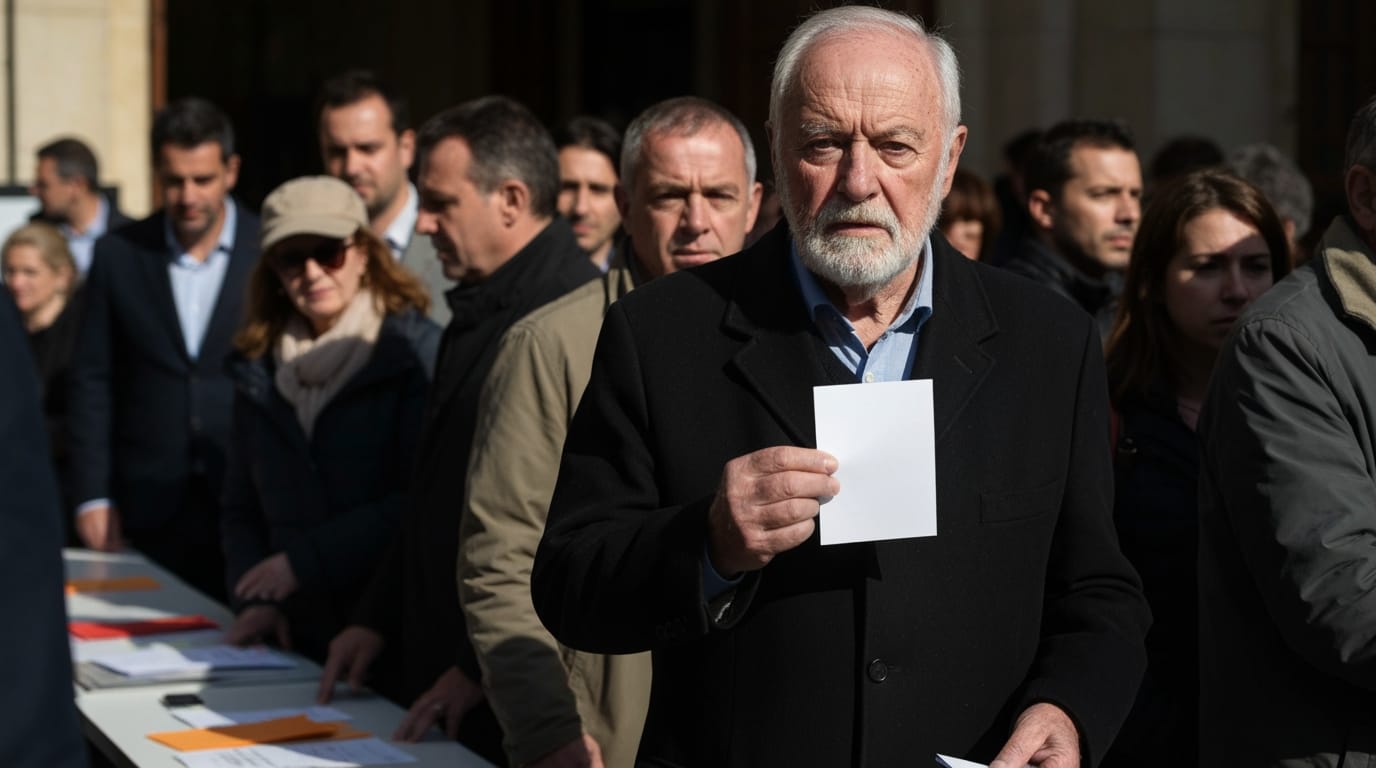
Paris, France – As French voters head to the polls this Sunday, March 15, to cast their ballots in the first round of municipal elections, the political spotlight intensifies on the performance of the far-right National Rally (RN). These local contests, unfolding across nearly 35,000 communes, from bustling cities to quiet villages, are widely perceived as a crucial barometer of political sentiment ahead of the pivotal 2027 presidential election. The National Rally, which has recently demonstrated unprecedented national strength, faces the challenge of translating its growing appeal into tangible local governance, a feat that has historically eluded the party.
The Enduring Significance of Local Governance
French municipal elections hold a unique and profound significance within the nation's political landscape. Mayors, who head these numerous communes, are consistently ranked among France's most trusted elected officials, often seen as the political figures closest to citizens' daily concerns. Their influence extends beyond local administrative duties, as municipal councilors play a key role in electing senators, thereby shaping the composition of France's upper house of parliament.
Historically, the far-right, under its previous incarnation as the National Front and now as the National Rally, has struggled to establish deep local roots. While capable of drawing significant national protest votes, converting that sentiment into municipal control has proven difficult. The last municipal elections in 2020, for instance, saw the left perform strongly across many parts of France, securing key cities like Nantes and Montpellier for the Socialists, and Lyon and Strasbourg for the Greens. This historical pattern underscores the uphill battle the RN has traditionally faced in local contests, where pragmatic local issues often outweigh broader ideological divides.
National Rally's Ambitious Local Offensive
Despite its past struggles at the municipal level, the National Rally views the current 2026 elections as a critical strategic step to build momentum for the 2027 presidential ballot. The anti-immigration, eurosceptic party has launched an ambitious campaign, fielding approximately 650 lists of candidates – a substantially higher number than in previous cycles. This aggressive push reflects a deliberate effort to consolidate its existing, albeit limited, local strongholds and to expand its presence into larger urban areas.
Currently, the RN directly controls or backs only around a dozen mayors nationwide, with Perpignan standing as its sole managed city with a population exceeding 100,000 inhabitants. However, this year, the party has set its sights on significant gains, targeting key cities such as Marseille, France's second-largest city and a traditionally conservative bastion that fell to the left in 2020. Franck Allisio, the RN candidate in Marseille, has reportedly drawn level with the incumbent Socialist Mayor Benoit Payan in first-round polls, presenting the RN with a "once-unthinkable shot at power" in a major French metropolis.
Another critical target is Toulon, a southern city with a population of 180,000, which the far-right previously governed from 1995 to 2001 under its former identity. The RN is also closely watching Menton, a quiet Riviera town where Louis Sarkozy, son of former President Nicolas Sarkozy, is running as a candidate backed by centrist parties, a contest that could attract broader attention. The seriousness of the RN's commitment to these elections is further evidenced by the fact that 33 of its 119 members of parliament are actively running as candidates. Issues such as security, housing, and local taxes have emerged as primary concerns for voters in these elections, aligning closely with the RN's law-and-order platform.
The complex two-round electoral system, which allows lists with at least 5% of the vote to merge with larger lists for the second round, often leads to unpredictable runoffs and strategic alliances. This dynamic will heavily influence the final outcomes, particularly in preventing or facilitating RN victories. The political atmosphere leading up to the vote was also marked by the killing of far-right activist Quentin Deranque in February, an incident that, according to polls, adversely affected the perception of the hard-left France Unbowed.
A Trajectory of Contrasts: Regional Setbacks and National Surges
The National Rally's electoral journey in recent years has been characterized by stark contrasts between its performance at different levels of government. While the 2020 municipal elections saw limited gains for the far-right, the subsequent regional elections in June 2021 delivered a significant setback. Despite early hopes and strong first-round performances in several regions, including the party's stronghold of Provence-Alpes-Côte d'Azur (PACA), the RN ultimately failed to win control of any mainland French regions.
This failure was largely attributed to the resurgence of the "republican front," a tactical alliance where rival mainstream parties, sometimes even withdrawing their own candidates, united in the second round to block the far-right. Marine Le Pen, then leader of the RN, openly criticized these "unnatural alliances" for thwarting her party's regional ambitions. Compounding the RN's disappointment, the regional elections were also marred by exceptionally high abstention rates, with nearly two-thirds of French voters shunning the polling stations.
However, this picture of local electoral struggle shifted dramatically with the snap parliamentary elections held in June and July 2024. In a historic turn of events, the National Rally topped the first round of these national elections, securing between 33% and 34% of the vote. This performance translated into a substantial increase in its representation in the National Assembly, boosting its number of deputies from 89 in 2022 to an unprecedented 143. The RN emerged from these elections as the largest single opposition party in France's parliament, a powerful testament to its growing national appeal and Marine Le Pen's efforts to "clean up" the party's image. Despite this historic surge, the party ultimately fell short of securing an absolute majority, highlighting the continued challenges in converting popular vote into outright legislative control.
Implications for the 2027 Presidential Race
The results of the 2026 municipal elections will undoubtedly provide the clearest indication yet of the evolving political temperature in France, directly impacting the strategic calculations for the 2027 presidential election. The ability of the National Rally to secure significant mayoralties or expand its municipal footprint would be a powerful symbol of its increasing legitimacy and capacity to govern. Such local successes would not only provide valuable administrative experience but also offer a tangible platform to demonstrate its policies and further normalize its presence in French political life.
Conversely, a continued inability to break through at the local level, even in the wake of its national parliamentary gains, would underscore the persistent obstacles faced by the RN. The effectiveness of traditional "republican front" alliances in blocking the far-right, particularly in second-round runoffs, will be closely watched. Any erosion of this anti-RN consensus among mainstream parties at the municipal level could signal a significant shift in French political dynamics, potentially paving the way for future national alliances involving the far-right. The results will also reveal which themes and concerns resonate most with voters at the grassroots level, providing crucial insights for all parties as they gear up for the presidential contest.
Conclusion
The 2026 municipal elections represent a pivotal moment for the National Rally, offering a critical test of whether its undeniable national momentum can finally translate into widespread local power. After the mixed outcomes of recent years – regional disappointments contrasted with a historic parliamentary surge – these local contests are more than just administrative elections; they are a battle for political legitimacy and a vital precursor to the 2027 presidential race. The outcomes will shape not only the composition of France's town halls but also the broader narrative of the far-right's trajectory, determining whether it can shed its image as a protest movement and firmly establish itself as a viable governing force at all levels of French society.


