Cyanide Contamination Suspected in Mass Elephant Deaths Near Kenya's Amboseli
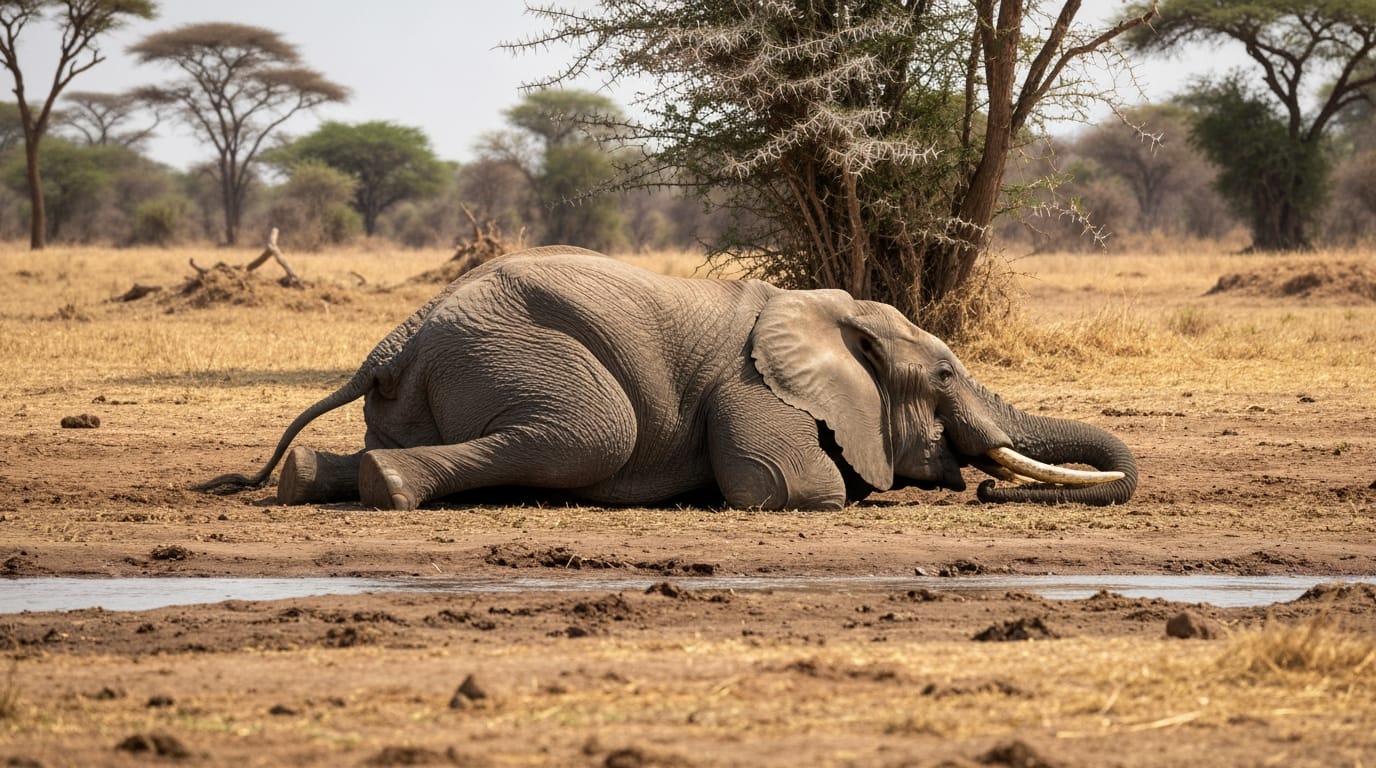
NAIROBI, Kenya – A somber investigation is underway in southern Kenya following the deaths of 15 elephants over the past month, with wildlife authorities strongly suspecting cyanide poisoning as the cause. The Kenya Wildlife Service (KWS) indicates that the majestic animals, many of them females and their calves, likely ingested the highly toxic chemical through contaminated tomatoes from farms neighboring the iconic Amboseli National Park. This incident marks the most significant mass elephant mortality event in the region in decades, raising critical concerns about human-wildlife conflict, agricultural practices, and the broader health of the ecosystem.
The grim discovery unfolded between June 24 and July 24, 2026, within the Kimana sanctuary and Kuku Group ranch areas, which border Amboseli National Park, a critical habitat for over 1,600 elephants. Initial observations by KWS rangers noted that ten of the deceased elephants exhibited symptoms of partial paralysis before succumbing to their illness within one to two days. The remaining five carcasses were too decomposed or scavenged to ascertain the precise cause of death, highlighting the rapid and devastating effect of the suspected poison.
The Silent Killer: Cyanide Traced in Elephant Carcasses
Laboratory analyses conducted on samples from the elephant carcasses detected traces of cyanide, a chemical compound widely recognized for its extreme toxicity. KWS Director General Erustus Kanga confirmed these preliminary findings, stating that cyanide is "highly toxic" and particularly lethal for elephants. Isaac Lekolool, head of veterinary and capture services at KWS, further revealed that stomach contents from one herd in the Kimana sanctuary included "lots of tomatoes," leading investigators to believe agrochemical poisoning is the probable culprit.
Cyanide, a powerful and fast-acting poison, affects an elephant's respiratory system, leading to labored breathing and ultimately compromising lung and liver function. Its use as an agricultural pesticide, particularly for pest fumigation and predator control, is well-documented, though its application in some contexts, such as general pesticides, is now banned. The proximity of elephant habitats to agricultural lands, especially in areas like Kimana known for tomato production, creates a dangerous interface where such contamination can occur, either accidentally or deliberately.
Human-Wildlife Conflict and Agricultural Practices
The tragic deaths underscore the persistent challenge of human-wildlife coexistence in Kenya. While the KWS has not definitively stated whether the poisoning was accidental or intentional, authorities acknowledge that farmers in the region have historically been suspected of deliberately poisoning elephants to safeguard their crops. Elephants, driven by natural foraging behaviors, often venture onto agricultural lands, leading to significant crop damage and economic losses for local communities. This conflict creates tension and, at times, desperate measures.
However, the KWS is also investigating the possibility of accidental contamination from pesticide runoff or improper use of agricultural chemicals. Researchers from the Route to Food Initiative, a food rights program, have previously reported the use of cyanide substances on tomato crops in Kimana town. The investigation remains ongoing to determine the exact circumstances behind the contamination and whether current farming practices contribute to such environmental hazards.
Broader Ecological Threat and Conservation Setback
The implications of this mass poisoning extend beyond the immediate loss of the 15 elephants. KWS Director General Kanga warned that the effects could reach a wider population, impacting livestock such as goats and cattle that also graze in the area. Should cyanide prove to be widespread in the ecosystem, the long-term consequences for wildlife and local communities could be substantial. Previous incidents of cyanide poisoning, such as those in Zimbabwe's Hwange National Park in 2013, demonstrated how such toxins can indiscriminately affect entire food chains, killing not only the targeted animals but also scavengers like lions, hyenas, and vultures, effectively becoming a "weapon of mass destruction" against wildlife.
Kenya has garnered global recognition for its robust efforts in combating poaching and conserving its elephant populations. The nation has seen measurable declines in elephant poaching over the years due to enhanced anti-poaching initiatives and international awareness campaigns. The current incident represents a significant setback for these conservation achievements and highlights the evolving nature of threats to wildlife. It serves as a stark reminder that even as traditional poaching methods are curtailed, new or re-emerging threats, particularly those stemming from human-wildlife interfaces, continue to challenge conservationists.
Ongoing Investigations and Future Measures
The KWS has intensified surveillance across the Amboseli ecosystem, with rangers and researchers closely monitoring elephant herds as investigations continue. While authorities maintain that the toxic substances found in the deceased elephants pose no immediate threat to human health, the incident underscores an urgent need for enhanced vigilance and caution regarding agricultural chemical use in areas adjacent to wildlife habitats. The KWS is checking whether other farmers in the area use similar chemicals.
Conservationists are renewing calls for safer farming practices and improved land-use planning to minimize the risks posed by hazardous agricultural chemicals to wildlife. The incident also reignites discussions around strategies for mitigating human-wildlife conflict, including exploring effective deterrents for crop-raiding elephants that do not endanger their lives or the broader ecosystem. As the investigation progresses, its findings will be crucial in shaping future conservation policies and community engagement efforts around Kenya's precious wildlife resources.


