Cyclone Alfred Forces Mass Evacuations Along Australia's East Coast
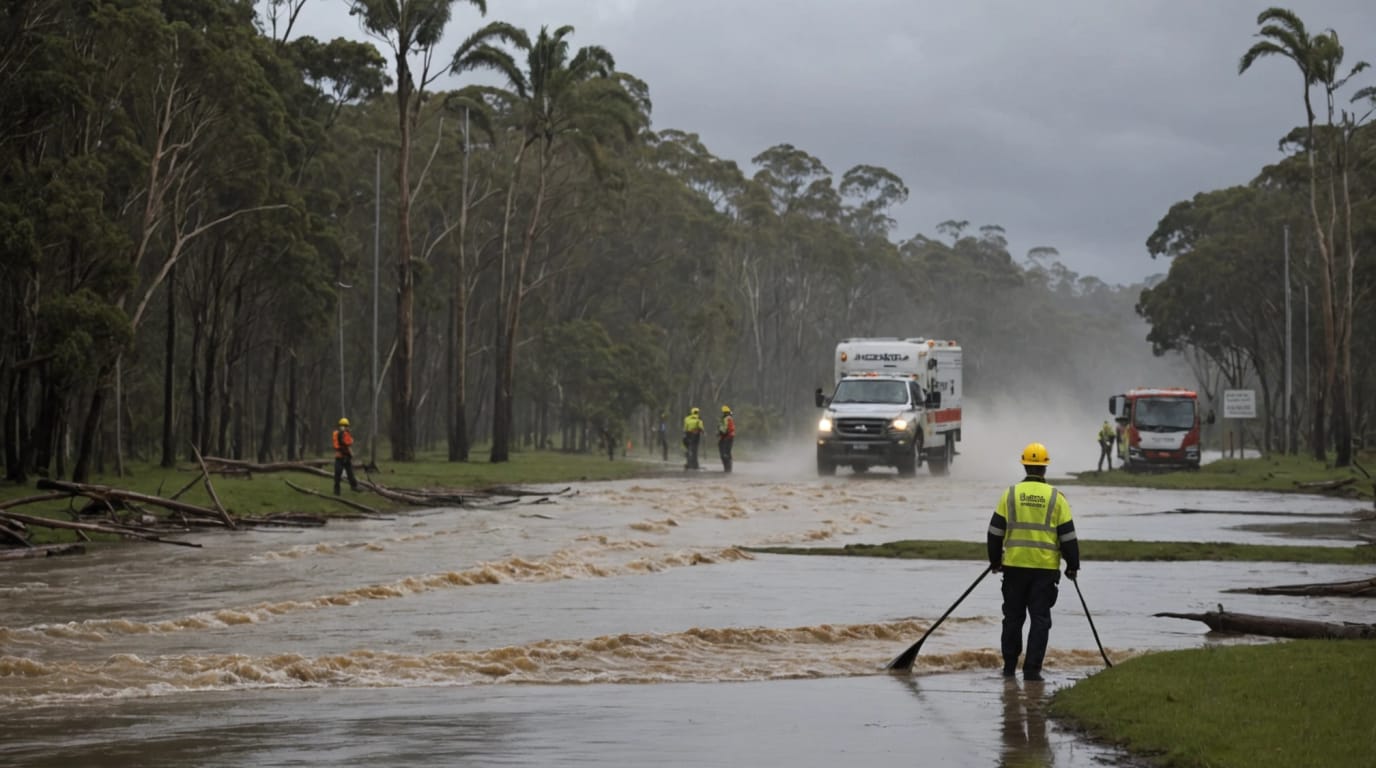
Australia's eastern coast is bracing for impact as Tropical Cyclone Alfred approaches, prompting widespread evacuations and closures. The category 2 storm, packing heavy rains, powerful winds, and massive waves, has already caused significant disruptions, including power outages, airport shutdowns, and school closures, as it slowly makes its way towards the mainland. Authorities are urging residents to heed warnings and evacuate from flood-prone areas, as the region faces its first tropical cyclone in over half a century.
Evacuation Orders and Preparations
Evacuation orders have been issued for thousands of residents across Queensland and New South Wales, with the State Emergency Service (SES) directing people in vulnerable areas to leave their homes. In New South Wales, approximately 19,000 people were ordered to evacuate by noon Friday, facing the risk of being trapped by rising floodwaters. The SES has responded to thousands of calls for assistance and attended to numerous incidents across the affected regions. Queensland Premier David Crisafulli emphasized that evacuation centers should be a last resort, encouraging residents to stay with friends and family if possible, while ensuring their homes are secured.
Storm's Impact and Disruptions
Cyclone Alfred has already begun to unleash its fury, with wind gusts exceeding 100 kilometers per hour battering coastal regions. More than 80,000 homes and businesses have lost power across Queensland and New South Wales, with the Gold Coast tourist city particularly affected, where over 20,000 homes are without electricity. Brisbane Airport has suspended operations, and public transportation has been disrupted. Over 1,000 schools in southeast Queensland and 280 in northern New South Wales have been closed, adding to the widespread disruption.
Rare Weather Event
Officials have described Cyclone Alfred as a "very rare event" for Brisbane, which has not been directly hit by a cyclone since 1974. While the city has experienced near misses in the past, the current threat is being taken with utmost seriousness. The slow movement of the cyclone has raised concerns about prolonged heavy rainfall and potential flooding, exacerbating the risks to communities in its path. The Bureau of Meteorology forecasts the cyclone to make landfall between Noosa and Beenleigh on Saturday.
Community Response and Warnings
Despite the warnings, some residents were seen near beaches, prompting officials to reiterate the dangers of the situation. Prime Minister Anthony Albanese urged residents to stay safe and be sensible, emphasizing that it is not a time for sightseeing or experiencing the conditions firsthand. The SES is urging people to check on their neighbors to ensure they have received critical emergency messages. A man was rescued after his SUV was washed off a bridge in northern New South Wales, highlighting the perilous conditions in the region.
Looking Ahead
As Cyclone Alfred continues its approach, authorities remain on high alert, monitoring the storm's path and providing updates to the public. The focus remains on ensuring the safety of residents, minimizing damage, and preparing for the aftermath of the cyclone. The combined efforts of emergency services, government agencies, and local communities will be crucial in navigating this challenging weather event and supporting the affected regions in their recovery.


